
Whisky is a spirit made by distilling a mash of malted barley, corn, rye or wheat and ageing it in wooden casks. As a North Cyprus off licence in Bafra, Jastin stocks Scotch single malts and blends alongside bourbon, Tennessee, Irish, Canadian and Japanese whisky. Popular bottles include Monkey Shoulder, Scotch Blue, The Sexton, Jack Daniel's, Chivas Regal and Johnnie Walker. Each product page carries tasting notes to help you choose a bottle for sipping, serving over ice or mixing. We deliver from Bafra to our delivery areas across North Cyprus; message us on WhatsApp to order or ask a question.
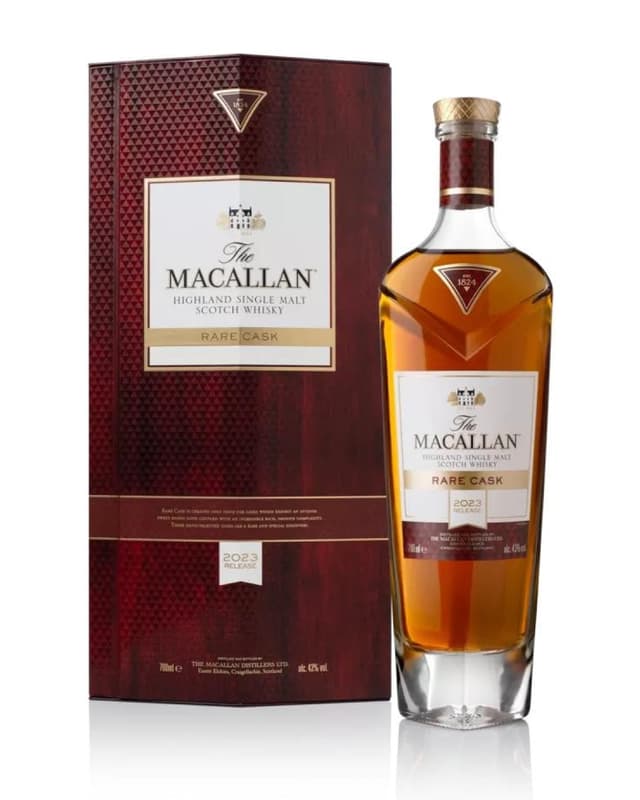
What is whisky and how is it made?
Every whisky starts with grain. Barley, corn, rye or wheat is cooked in water to release its sugars, fermented, and the resulting low-strength liquid is distilled. Distillation happens either in copper pot stills, working batch by batch, or in continuous column stills. New-make spirit is colourless; most of a whisky's colour and much of its aroma comes from the wooden cask it rests in for years. Whether the cask previously held bourbon, sherry or port, how heavily its inside was charred and how many times it has been used all shape the final taste.
Countries protect their whiskies with legal definitions. To be called Scotch, a whisky must be distilled in Scotland and matured in Scotland in oak casks of no more than 700 litres for at least three years. In the USA, bourbon is made from a mash of at least 51% corn and aged in new, charred oak containers. Ireland and Japan define origin with similar rules.
Types of whisky: which shelf is for you?
Single malt
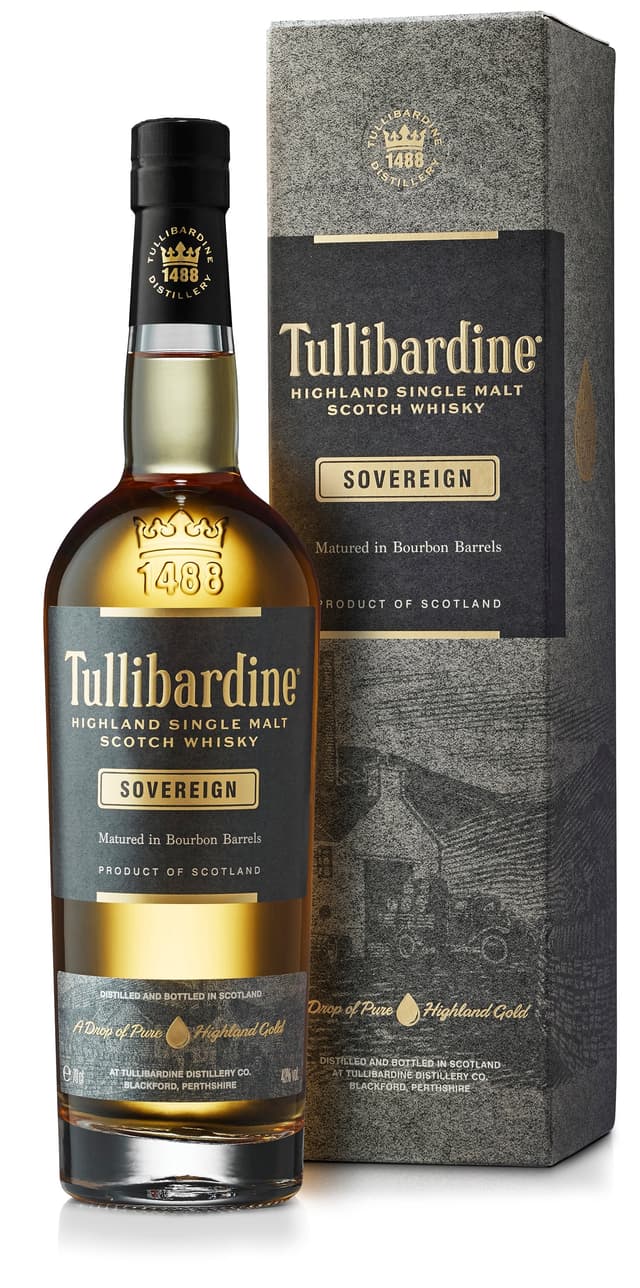
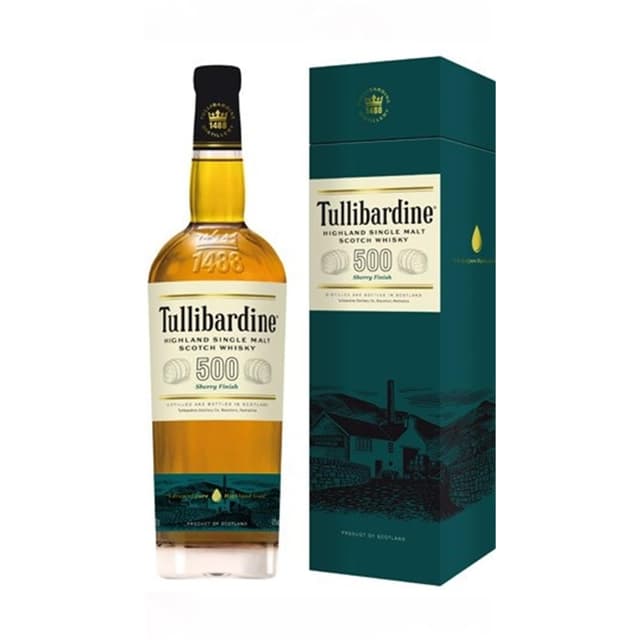
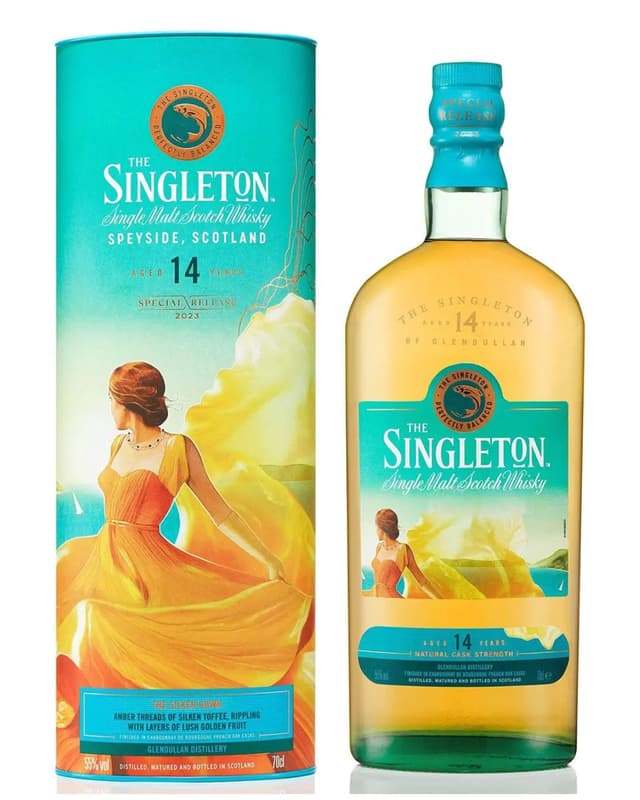
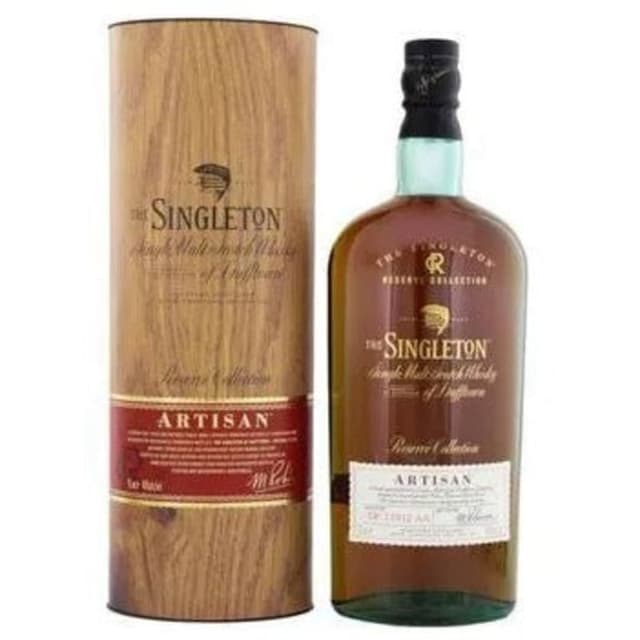
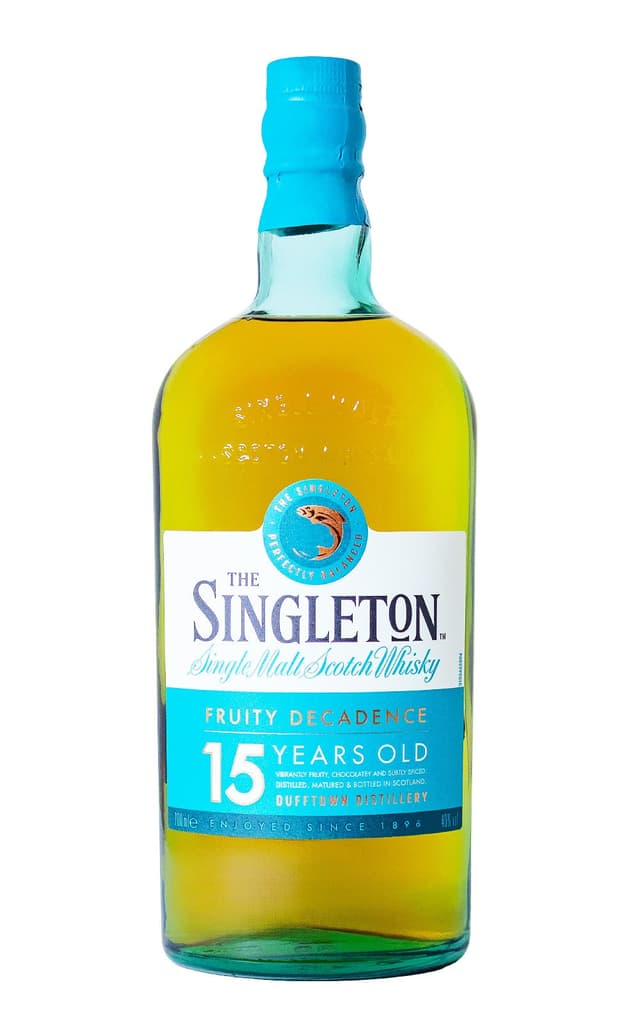
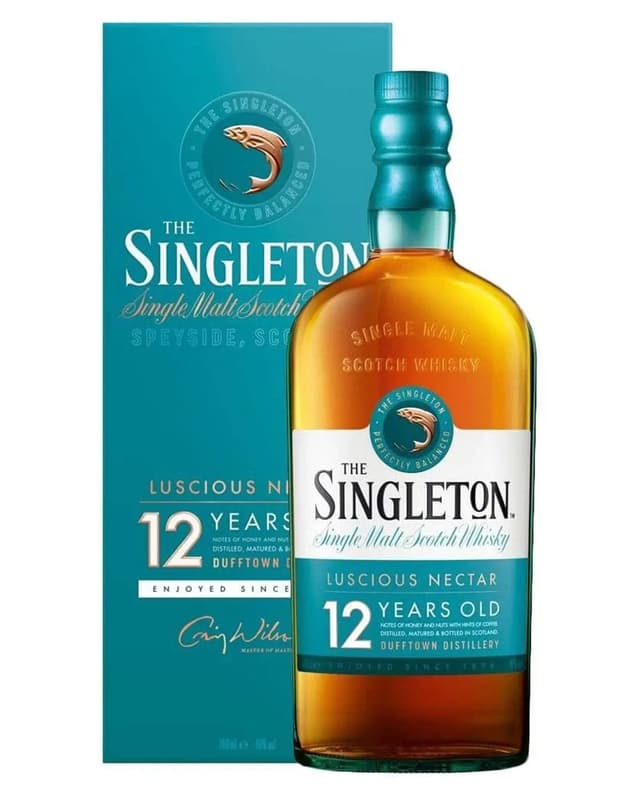
Whisky made at a single distillery, from malted barley only, in copper pot stills. This is where a distillery's character shows most clearly: from the peat-smoked bottles of Islay to the fruity, gentle styles of Speyside. You'll find the range on our single malt whisky page.
Blended
Bottles that blend whiskies from more than one distillery. Blended Scotch combines malt whiskies with grain whiskies and aims for a consistent, balanced dram. Everything from everyday bottles to special-occasion blends is in the blended whisky category.
Bourbon and American whiskey
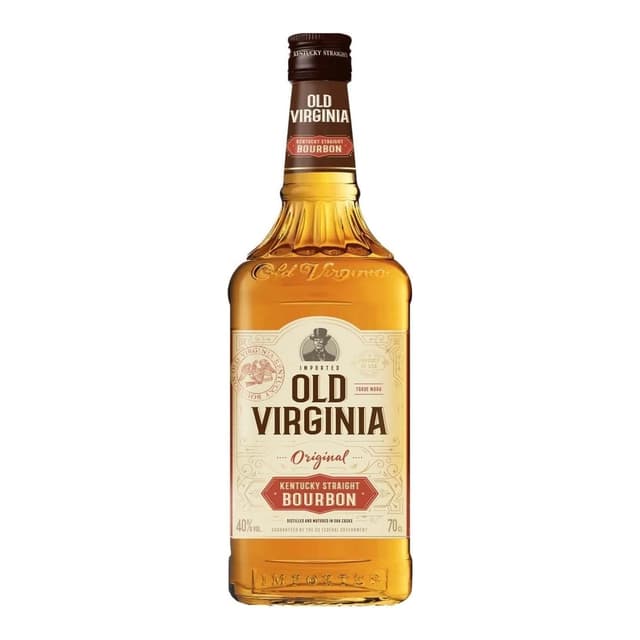
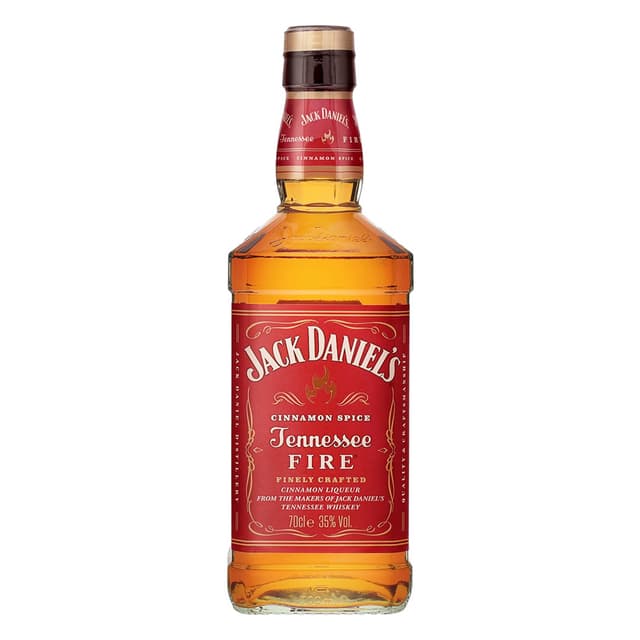
Known for notes of vanilla, caramel and sweet spice, thanks to a corn-led recipe and new charred oak casks. Tennessee and Canadian whiskies share the same shelf: bourbon and American whiskey.
Irish whiskey
Distilled and matured on the island of Ireland. The single pot still style, which uses both malted and unmalted barley, is unique to the country. See the range under Irish whiskey.
Japanese whisky
A tradition inspired by Scotch and known for the art of blending. For refined blends and experiments finished in different woods, browse our Japanese whisky page.
How should you serve whisky?
A tulip-shaped glass that narrows at the top is ideal for exploring aroma; a heavy-based tumbler is more practical for serving over ice and for cocktails. Neat at room temperature, opened up with a few drops of water, or as a long highball over plenty of ice: all are valid. With intense, cask-strength bottles, a splash of water can bring out the nose. Bourbon is the base of classic cocktails such as the Old Fashioned and Whiskey Sour, Irish whiskey of the Irish Coffee, and blended Scotch of the highball with soda. For food, peated whiskies suit smoked meats and strong cheeses, sherry-cask whiskies go with dried fruit and dark chocolate, and bourbon works with grilled meat.
Highlights from our shelves
- Glenfiddich 12 Year Old: a well-known first bottle for getting to know the Speyside style.
- Laphroaig 10 Year Old: for anyone curious about Islay's peat-smoked character.
- Johnnie Walker Black Label 12 Year Old: a blended Scotch recognised all over the world.
- Maker's Mark: a smooth bourbon that uses wheat instead of rye.
- Redbreast 12 Year Old: a classic example of the single pot still style.
- Hibiki Japanese Harmony: a bottle that reflects the Japanese approach to blending.
Not sure which bottle will suit your taste, or want to check a current price? Message us on WhatsApp.
Frequently asked questions
Is there a difference between whisky and whiskey?
The meaning is the same; the difference is spelling tradition. Scotland, Canada and Japan generally write whisky, while most producers in Ireland and the USA write whiskey. The spelling on the bottle gives you a clue to where it's from, but production rules are set by each country's own legal definition.
What does the age statement on the bottle (e.g. 12 years) mean?
On Scotch, the age on the label is the time the youngest whisky in the bottle spent in cask. So a 12-year-old may contain older whiskies, but none younger than 12. Whisky doesn't age once bottled; the age only refers to time in cask.
Should whisky be drunk neat, with water or on the rocks?
There's no single right way. A good approach is to taste it neat at room temperature first, then add a few drops of water, which can release some aromas. Ice chills the whisky and mutes the aromas slightly, making it refreshing in hot weather. Long serves with soda, like the highball, are popular too.
How should I store an opened bottle of whisky?
Keep the bottle upright, somewhere cool and out of direct sunlight, with the cap tightly closed. Storing it upright stops the spirit sitting against the cork. When there's not much left, the proportion of air in the bottle rises and the aroma can change over time, so it's best not to leave nearly empty bottles for too long.
Which type should a whisky beginner choose?
For a smooth, balanced start, try a blended Scotch, a fruity Speyside single malt, a light triple-distilled Irish whiskey or a vanilla-led bourbon. Peated Islay whiskies are a more intense experience and are usually explored once your taste has settled.
Be the first to hear about offers and new arrivals — sign up to the Jastin newsletter.