Getting products ready…

Raki, brandy and liqueurs make up a wide family of drinks, from aniseed raki distilled from grapes and oak-aged cognac to sweetened fruit and cream liqueurs and aperitif bitters. At Jastin Off Licence we've brought these four shelves together under one roof; choose the bottle that suits your table, cocktail bar or gift list and we'll send it to your door in North Cyprus.
Product list
Showing 9 of 204 products
What does the raki, brandy and liqueur family cover?
This category brings together four groups of drinks with very different tastes that often end up side by side on the table and at the bar. What they mostly share is grapes and botanical aromas; where they differ is in raw material, distillation method, ageing and sugar content. The summary below is to help you quickly work out which shelf to look at.
Raki
Raki is made by redistilling a grape spirit called suma with aniseed in copper pot stills, and is at least 40% ABV. It turns milky white when water is added, which is why it's nicknamed "lion's milk" in Turkish. Alongside classic göbek (heart-cut) rakis, our shelf has fresh-grape and oak-rested editions, as well as zivania, Cyprus's unflavoured grape spirit, and Greek ouzo.
Cognac and brandy
Brandy is the general name for spirits made by distilling wine. Cognac is the protected name for brandy made only in France's Cognac region, double-distilled in copper pot stills and aged in French oak. VS, VSOP and XO on the label show the minimum time the youngest eau-de-vie has spent in cask.
Liqueurs
A liqueur is made by flavouring and sweetening spirit with fruit, herbs, coffee, cream or nuts. In European and Turkish regulations, the general rule for liqueur is at least 15% ABV and at least 100 grams of sugar per litre. The range runs from cream liqueurs and orange triple sec to limoncello and herbal liqueurs.
Vermouth and bitters
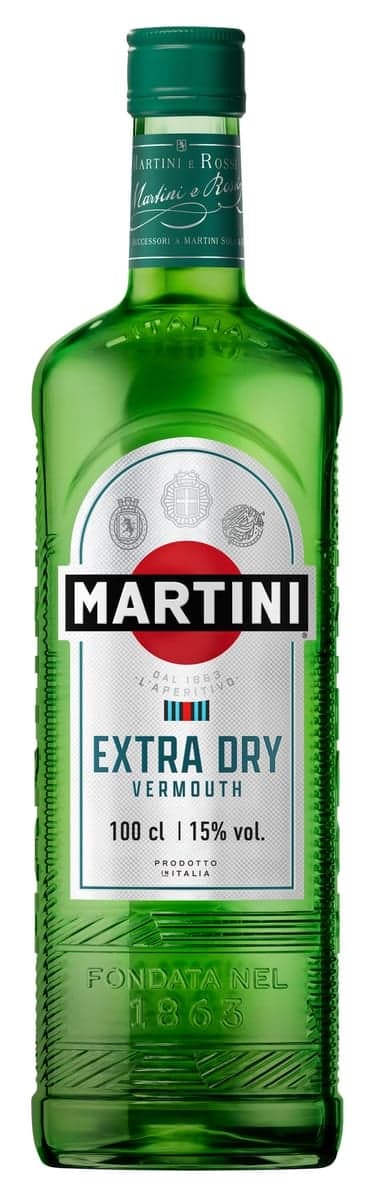
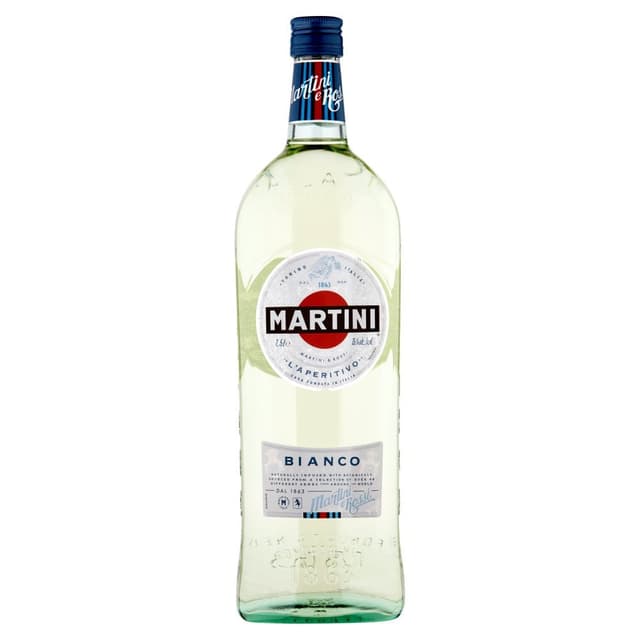
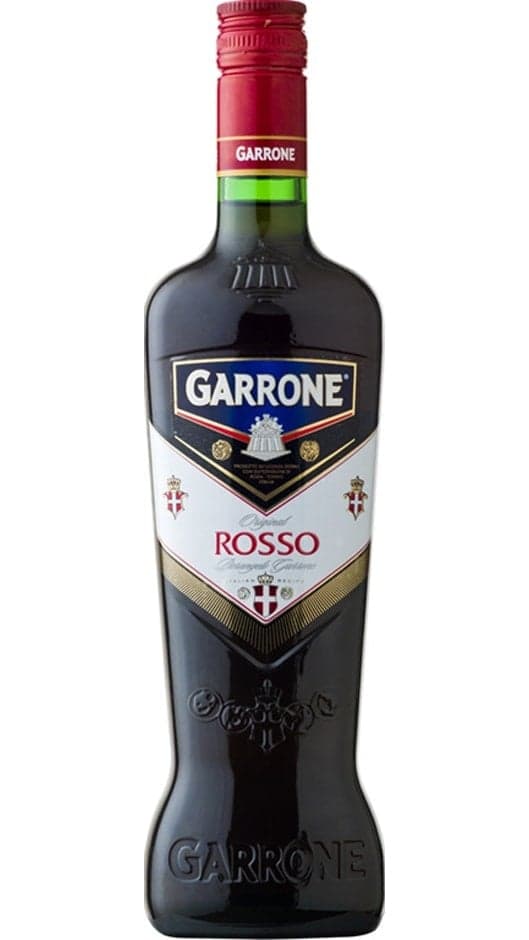
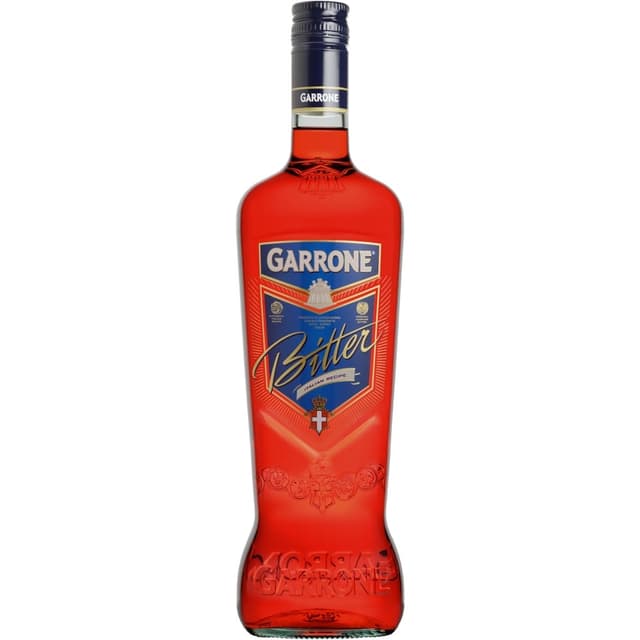
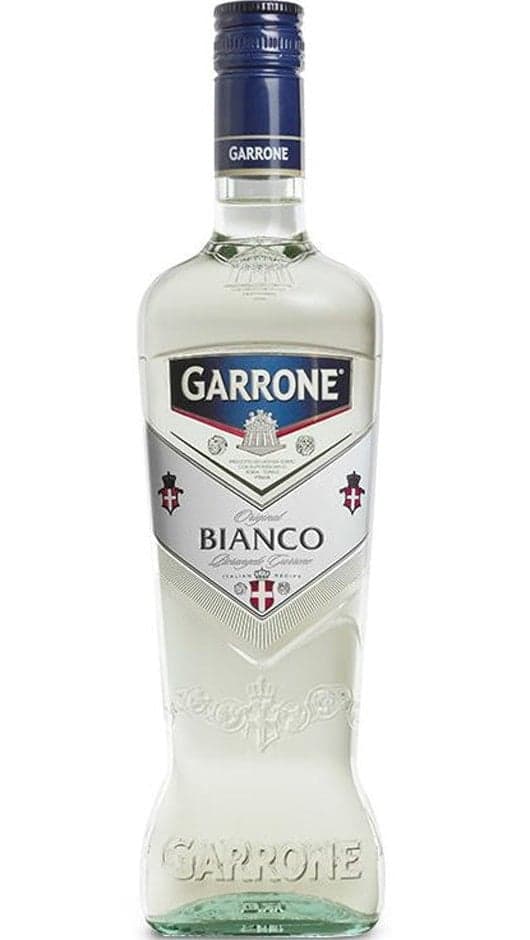
Vermouth is a wine-based drink, fortified with spirit and flavoured with species of wormwood; it's the backbone of classic cocktails such as the Negroni, Manhattan and Martini. On the bitters shelf, alongside Italian aperitifs such as Campari and Aperol, you'll find aromatic bitters added to cocktails dash by dash.
Differences between aniseed drinks
The Mediterranean and the Balkans have many local versions of aniseed spirits, and several sit side by side on our shelves. Raki is made with grape suma, while ouzo is made under rules specific to Greece and Cyprus; both turn cloudy with water. Italian sambuca is an aniseed liqueur and is sweeter. Mastika, flavoured with mastic resin, has pine and herbal notes instead of aniseed. Cyprus's zivania is also made from grapes but contains no aniseed, so it doesn't turn white with water and is usually drunk ice-cold and neat.
Which bottle for which moment?
- Meze and fish suppers: a raki opened up with cold water, or ice-cold zivania.
- After dinner: a VSOP or XO cognac at room temperature in a tulip glass, or chilled limoncello.
- Cocktail prep: triple sec, red vermouth, Campari and aromatic bitters are the cornerstones of a home bar.
- With dessert and coffee: cream, coffee and hazelnut liqueurs over ice or alongside coffee.
- Gifts: boxed cognacs and special-edition rakis are popular choices.
Highlights from our shelves
For a raki table, Yeni Rakı and Tekirdağ Rakısı Göbek are classic choices. On the cognac side, Hennessy VSOP is a balanced start. For cocktails and with dessert, Cointreau and Baileys Original Irish Cream, and for an aperitif, Campari, are among the most requested bottles.
If you're looking for ready-to-drink cocktails, tonic or alcohol-free alternatives, browse our Mixers & Soft Drinks category. Message us on WhatsApp for current prices and product information.
Frequently asked questions
What's the difference between cognac and brandy?
Brandy is the general name for spirits made by distilling wine. Cognac is a type of brandy, but to carry the name it must be made in France's Cognac region, mainly from Ugni Blanc grapes, double-distilled in copper pot stills and aged in French oak for at least two years. So every cognac is a brandy, but not every brandy is a cognac.
What's the difference between a liqueur and a spirit?
Spirits such as whisky, vodka or raki are usually at least 37.5–40% ABV, with no or very little added sugar. Liqueurs are flavoured and noticeably sweetened; in European and Turkish regulations the general rule for liqueur is at least 15% ABV and at least 100 grams of sugar per litre.
Which bottles from this category do I need for cocktails at home?
For most classic cocktails, a triple sec or orange liqueur, a red and a dry vermouth, a bitter aperitif such as Campari and a small bottle of aromatic bitters are a good start. Combine them with gin, vodka, rum or whisky to make recipes such as the Negroni, Manhattan, Margarita and Cosmopolitan.
How should opened raki, cognac and liqueurs be stored?
High-strength spirits such as raki and cognac keep for a long time with the cap tightly closed, upright, somewhere cool and out of the sun. Vermouth is wine-based, so once opened it should be kept in the fridge and finished within a few months. For cream liqueurs, follow the producer's advice on the label.
Which bottle makes a good gift?
For special occasions, boxed VSOP and XO cognacs, special-edition or oak-rested rakis and liqueurs in elegant bottles are the most popular. If you know the recipient's taste, choose accordingly; if not, a classic cognac that most people enjoy is a safe choice.
Be the first to hear about offers and new arrivals — sign up to the Jastin newsletter.