
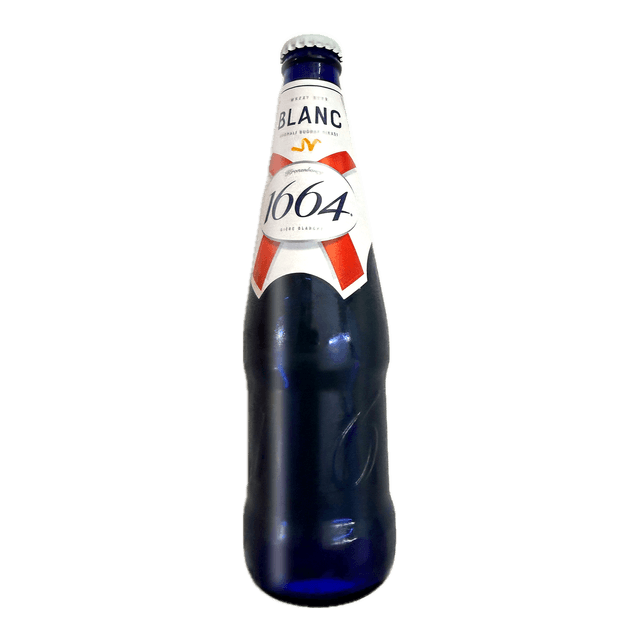
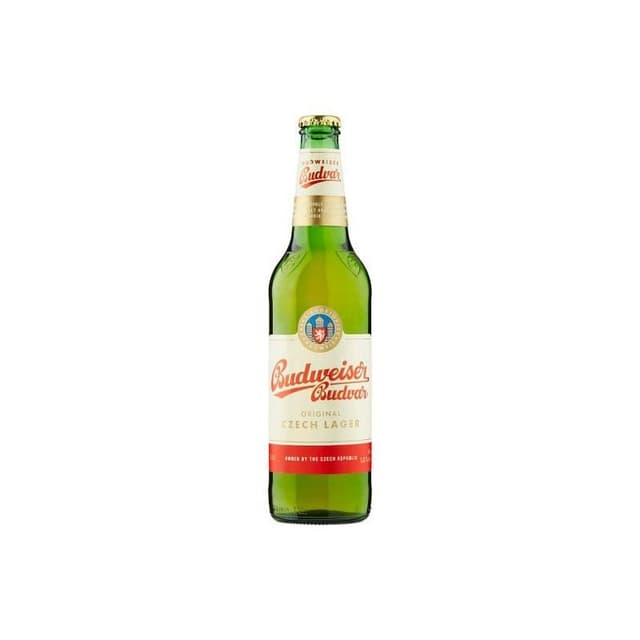
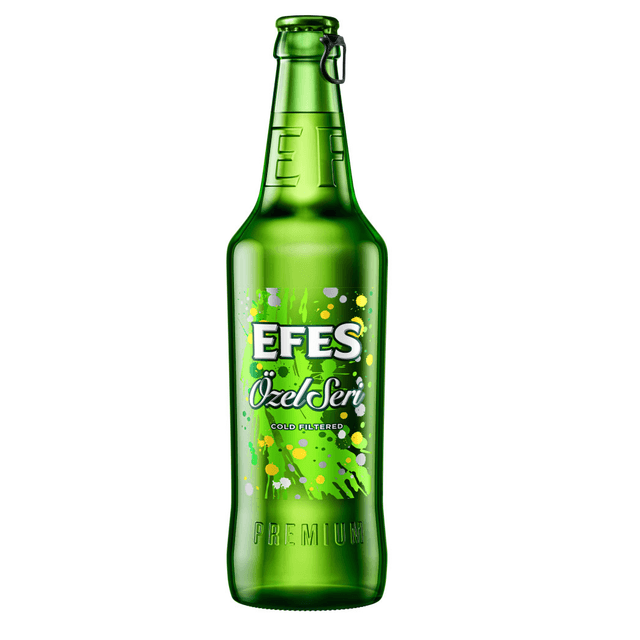
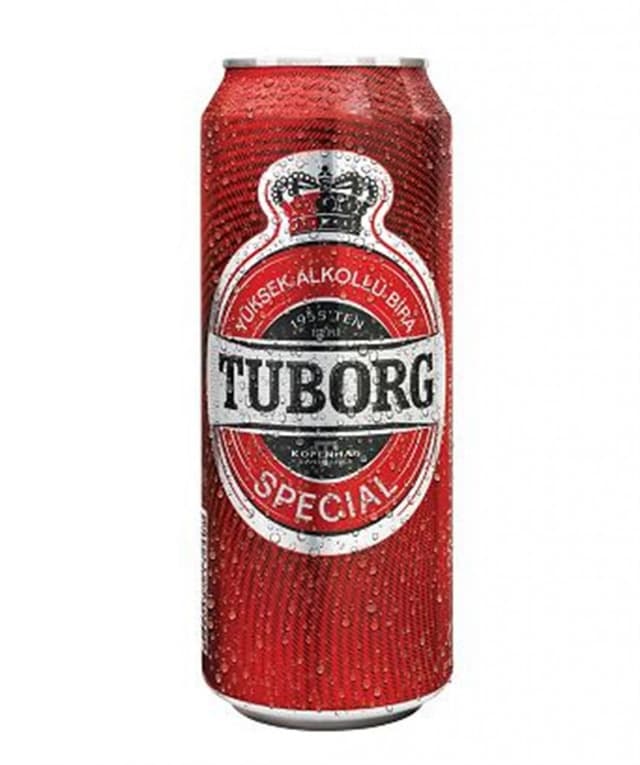
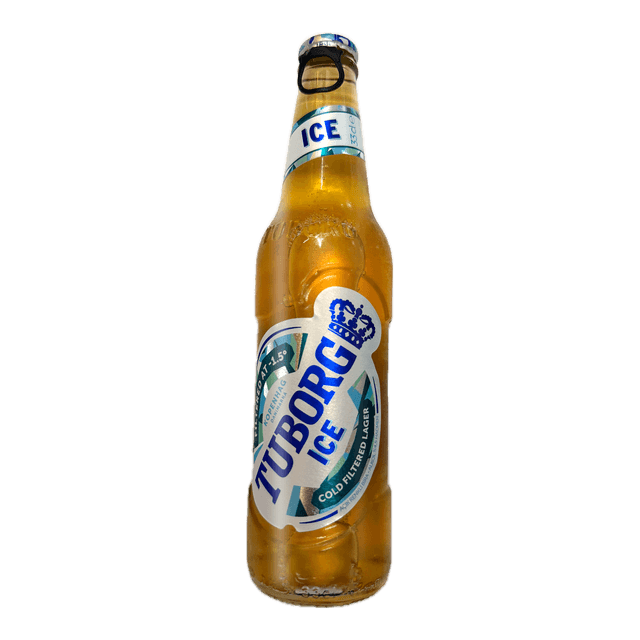
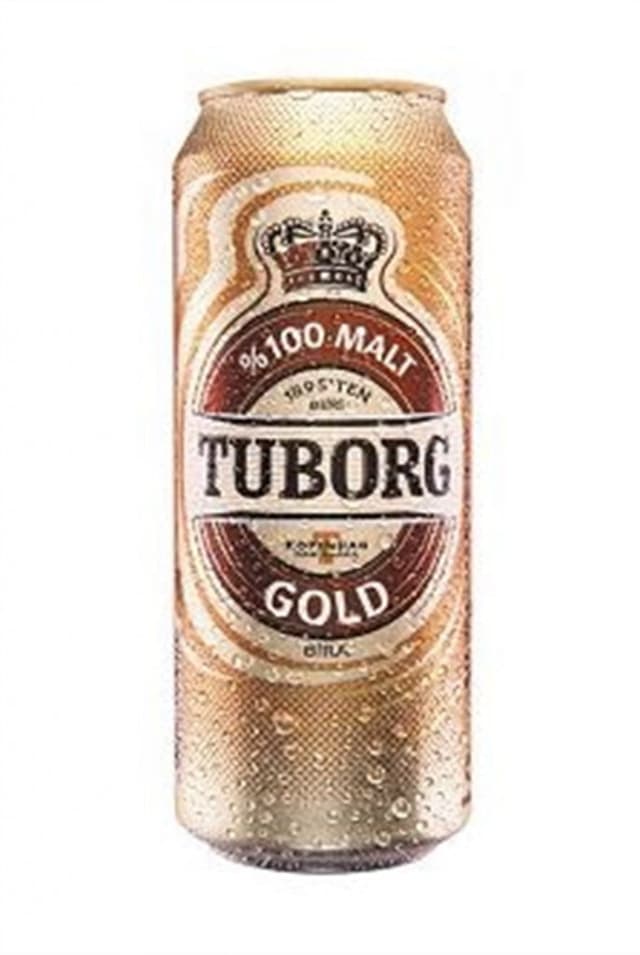
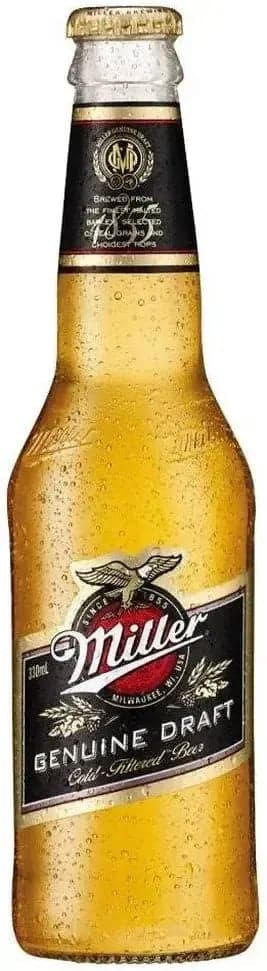
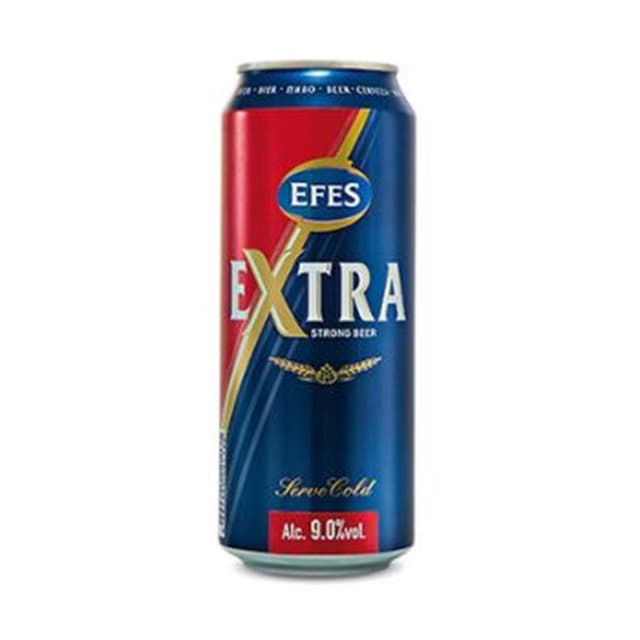
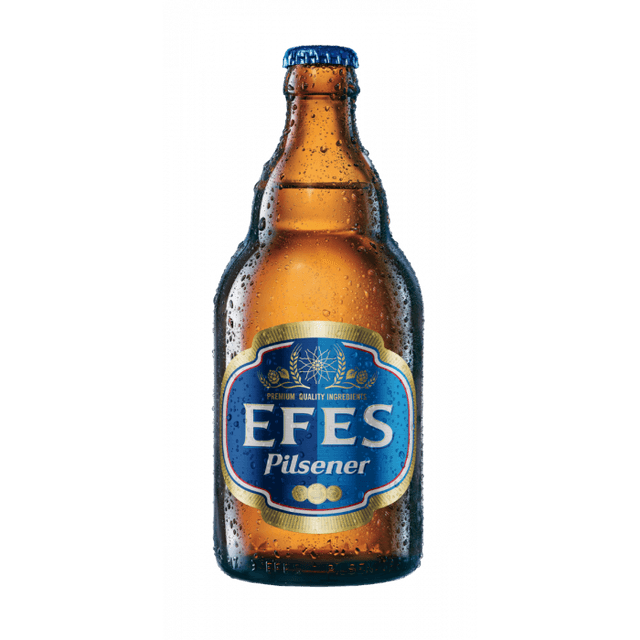
Beer is brewed by boiling wort from malted grains such as barley with hops and fermenting it; the two big families are lager and ale. As a North Cyprus off licence in Bafra, Jastin stocks beers brewed in Turkey, imports from Europe and further afield, craft beers and fruit ciders. Efes, Budweiser, Carlsberg, Tuborg and Kronenbourg 1664 Blanc are among the most requested. Light lagers are best served well chilled, while wheat and craft beers show more aroma slightly warmer. We deliver from Bafra to our delivery areas across North Cyprus; message us on WhatsApp to order or ask a question.
How is beer made?
Brewing starts by steeping malted barley in hot water so its starches turn into sugar. The sweet wort produced is boiled with hops, which add bitterness and aroma, then cooled and fermented with yeast. The malt, hops, yeast and fermentation temperature determine the beer's colour, body, bitterness and aroma. Some styles, such as wheat beer, use wheat alongside barley.
Lager and ale: the two big families
Lager is made with a bottom-fermenting yeast that works at cool temperatures, then conditioned in the cold. Its name comes from the German word for storage. It's clean, clear and refreshing; pale lager is the most widely drunk type of beer in the world. Today's pale lagers were inspired by pilsner, which originated in Plzeň in Bohemia.
Ale is made with a top-fermenting yeast at warmer temperatures, around 18–24 °C. This produces fruitier, more complex aromas. Styles such as IPA, stout and wheat beer belong to the ale family.
A few styles worth knowing
- Pale lager and pilsner: clear, refreshing, with a lively head; bitterness can be moderate or pronounced. The most common choice for everyday drinking.
- Wheat beer: in German Weissbier, at least half the grain is wheat malt; its banana- and clove-like aroma comes from the yeast, with a soft texture and a generous head.
- Stout: a black beer made with roasted barley or dark malts, with coffee-like roasted aromas. Irish stouts are usually 3.8–5% ABV.
- IPA: an ale made with plenty of hops, with pronounced bitterness and aroma; one of the most popular styles of the craft beer movement.
Our beer categories
- Turkish beer: brands brewed in Turkey, including Efes Pilsen, Bomonti and Tuborg, plus Carlsberg and Miller brewed in Turkey. Most are refreshing pale lagers. The best-known example is Efes Pilsen.
- Imported beer: lagers from countries such as the Netherlands, Belgium, Germany, the Czech Republic, Mexico and Ireland, wheat beers such as Weihenstephaner Hefe Weissbier and stouts such as Guinness Draught.
- Craft beer: style-focused beers from small, independent brewers, including hop-heavy IPAs such as Nuvo NEIPA.
- Cider: a refreshing alternative to beer made by fermenting apple juice; the range includes fruity Rekorderlig flavours from Sweden.
How to serve beer
Serving beer cold makes it more refreshing but also mutes the aromas, so the ideal temperature differs by style. According to beer writer Michael Jackson's often-quoted scale, pale lagers are served at around 7 °C, wheat beers and dark lagers at 8–9 °C, and English-style ales and stouts at around 13 °C (cellar temperature). Guinness itself recommends 6–7 °C for its draught stout.
- Glass: the shape of the glass affects the head and the aroma. Tall, slim glasses suit lagers, tall glasses that widen at the top suit wheat beers, and glasses that narrow slightly at the rim suit aromatic IPAs.
- Pouring: start with the glass tilted and pour slowly, then straighten it to leave a controlled head; this helps release the aroma.
- Food: refreshing lagers go well with grills, pizza and fried food; wheat beers with salads and seafood; stouts, with their roasted aromas, with chocolate desserts and stews; and IPAs with spicy food.
How to choose
For something light and refreshing, a pale lager or pilsner; for a fruity, soft drink, a wheat beer; for coffee and roasted aromas, a stout; and for intense hop aroma, an IPA are good places to start. If you'd like a fruity, grain-free alternative to beer, have a look at cider. Message us on WhatsApp for a current price.
Frequently asked questions
What's the difference between lager and ale?
The difference is the yeast and the fermentation temperature. Lager is fermented with a bottom-fermenting yeast at cool temperatures and conditioned in the cold, giving a clean, clear, refreshing beer. Ale is fermented with a top-fermenting yeast at warmer temperatures and gives fruitier, more complex aromas. IPA, stout and wheat beer are in the ale family.
At what temperature should beer be served?
It depends on the style. Pale lagers are best well chilled at around 7 °C, wheat beers and dark lagers at 8–9 °C, and English-style ales and stouts at around 13 °C. Very cold serving is refreshing but mutes the aromas; aromatic beers show their character better served a little warmer.
Does the shape of the beer glass matter?
Yes, the shape affects how the head forms and how the aroma reaches your nose. Lagers keep their bubbles in tall, slim glasses, wheat beers leave a big head in tall glasses that widen at the top, and aromatic beers show their aroma better in glasses that narrow slightly at the rim. A clean, grease-free glass also matters for the head.
Be the first to hear about offers and new arrivals — sign up to the Jastin newsletter.