Getting products ready…

Vodka is a clear spirit made by distilling alcohol fermented from grain, potatoes or other agricultural raw materials so as to reduce traces of the raw material, and filtering it where needed. You can order from our range of vodkas from Poland, Sweden, Finland, France and Russia with delivery across North Cyprus.
Product list
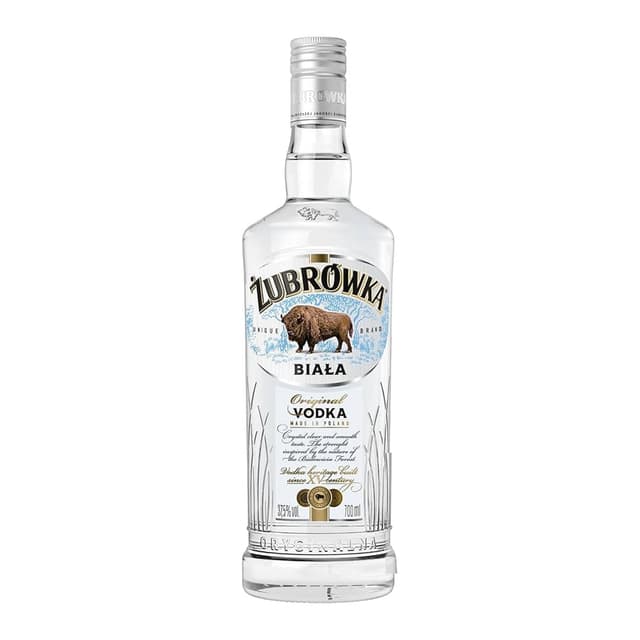
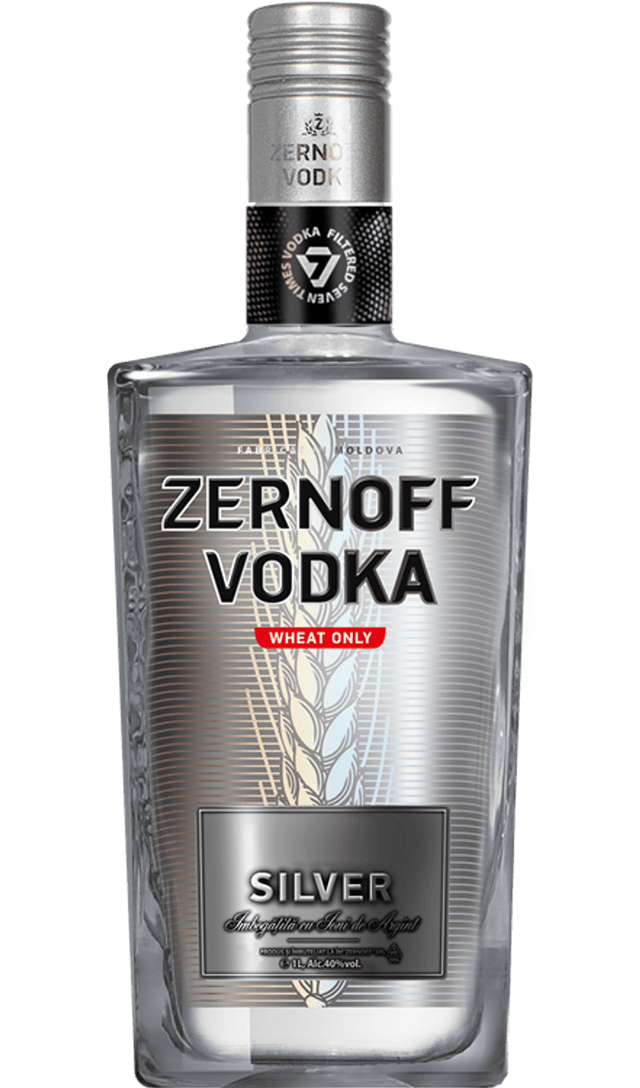
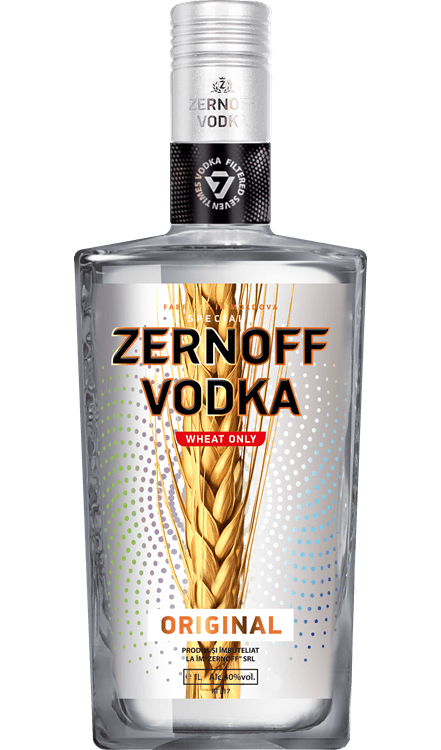
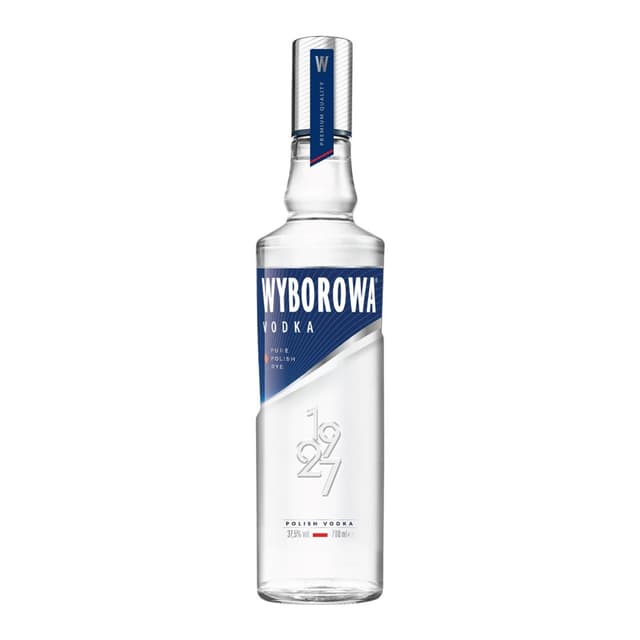
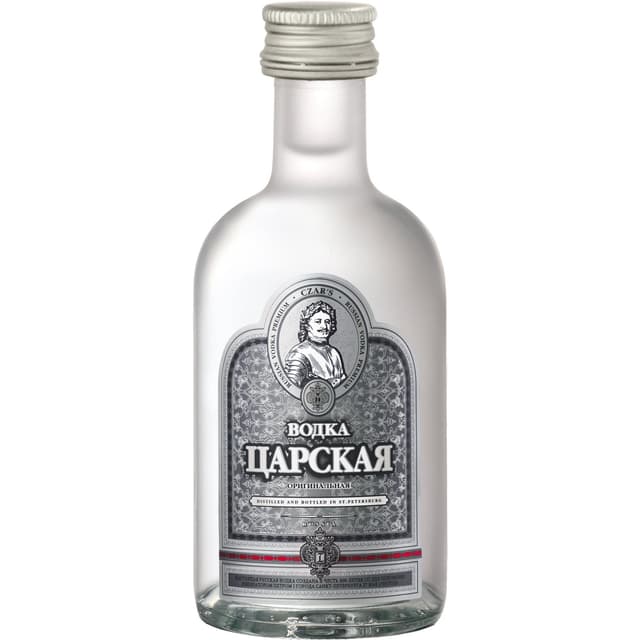
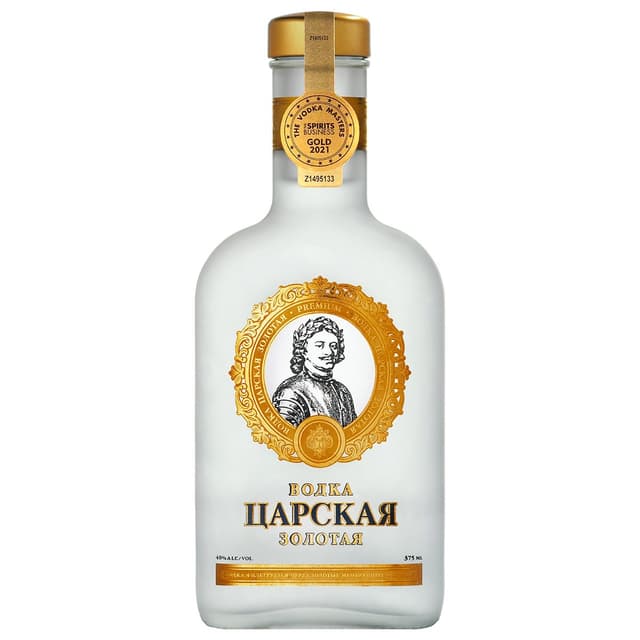
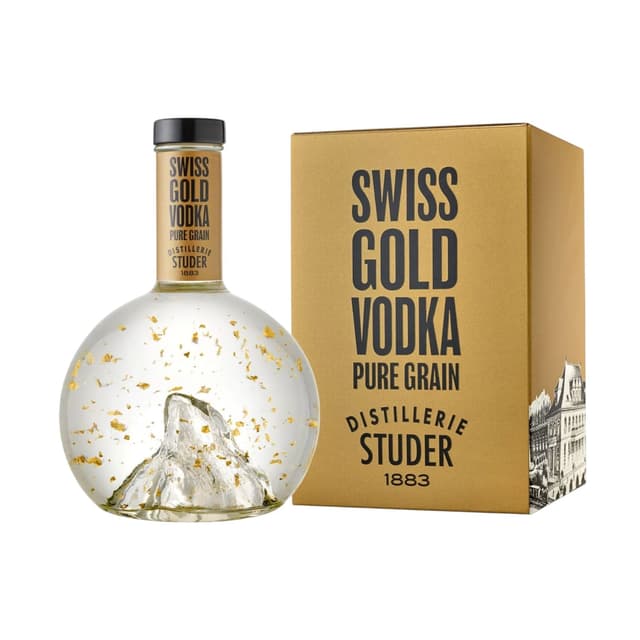
Showing 9 of 51 products
How is vodka made?
Under the European Union's regulation 2019/787, vodka is made from alcohol obtained by fermenting potatoes, grain or other agricultural raw materials with yeast. Distillation is carried out so as to selectively reduce aromas from the raw material and fermentation; further distillation or filtering through activated charcoal may follow. It's bottled at a minimum of 37.5% ABV, may not be coloured, may not have a dominant flavour, and sweetening is limited to 8 grams per litre.
If the raw material isn't only grain or potatoes, the label has to say so, which is why vodkas made from grapes state their raw material on the bottle. The name itself comes from a diminutive of the Slavic word for "water". Where the drink was first made is still debated between Poland and Russia; the oldest known written record of the word is in a Polish court document dated 1405.
Raw material and origin
Vodka is known as a neutral spirit, but the raw material and production method affect its texture and feel:
- Wheat: Absolut is made from winter wheat in Åhus, Sweden; Grey Goose is made with soft wheat from France's Picardy region and blended in the town of Cognac.
- Rye: Belvedere, made in Żyrardów, Poland, is known for its Dańkowskie rye.
- Barley: Koskenkorva, made with barley spirit at Finland's Koskenkorva distillery.
- Grapes: Cîroc, distilled in France, stands out for being made from grapes instead of grain.
How to serve it
In the "vodka belt" covering Poland, Russia, Finland and the Baltic states, vodka is usually drunk neat, ice-cold, from small glasses with food alongside. In the cocktail world it's the most versatile base: ginger beer and lime for a Moscow Mule, tomato juice and spices for a Bloody Mary, orange juice for a Screwdriver, and cranberry juice and lime for a Cosmopolitan. For a fruity touch, see our flavoured vodka shelf; for a juniper alternative, our gin range; and for every bottle, the gin and vodka category.
Highlights from our shelves
- Absolut Vodka: a clean classic from Swedish wheat.
- Grey Goose: a soft-textured vodka made with French wheat.
- Cîroc Vodka: a grape-based option with a fruity character.
- Koskenkorva Vodka: a plain, pure vodka from Finnish barley.
- Russian Standard Original: a Russian-style vodka for drinking neat and in cocktails.
Frequently asked questions
What is vodka made from?
The most common raw materials are wheat, rye, barley, corn and potatoes, but the EU definition also allows other agricultural raw materials such as grapes or sugar beet molasses. If a vodka isn't made only from grain or potatoes, the label has to state the raw material used. The raw material can noticeably affect a vodka's texture and feel.
How cold should vodka be served?
Vodka to be drunk neat is usually chilled in the freezer; at around 40% ABV it won't freeze at the roughly −18 °C of a home freezer, it just thickens slightly. That chill makes it smoother. For cocktails, fridge-cold vodka and plenty of ice are enough; as very cold vodka mutes the aromas a little, some people prefer it a few degrees warmer for tasting.
Why is vodka known for having no smell or taste?
Vodka production deliberately aims to reduce aromas from the raw material and fermentation, through high-purity distillation and filtering through activated charcoal. Still, it isn't completely tasteless: raw materials such as wheat, rye, barley or grapes make a difference to texture, sweetness and finish. These differences are easiest to notice when it's drunk neat and cold.
Be the first to hear about offers and new arrivals — sign up to the Jastin newsletter.