Getting products ready…

Gin and vodka are two clear spirits that both start from neutral alcohol of agricultural origin: vodka aims for as clean a character as possible, while gin is flavoured with botanicals, above all juniper. You can order from our range, from classic London Dry gins to flavoured vodkas, with delivery across North Cyprus.
Product list
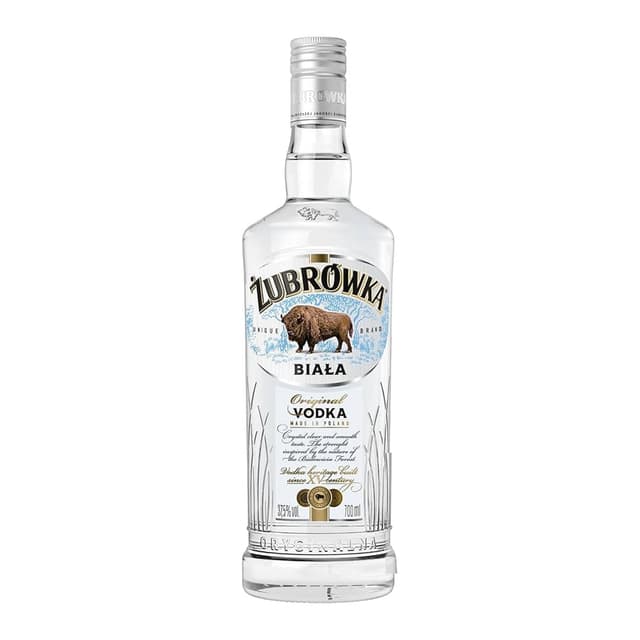
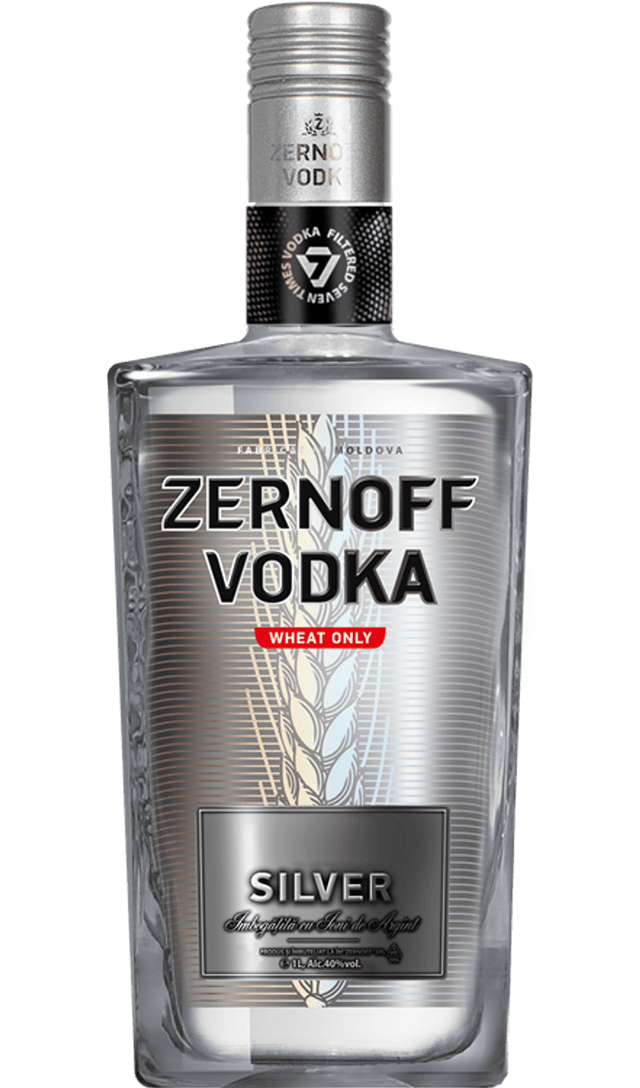
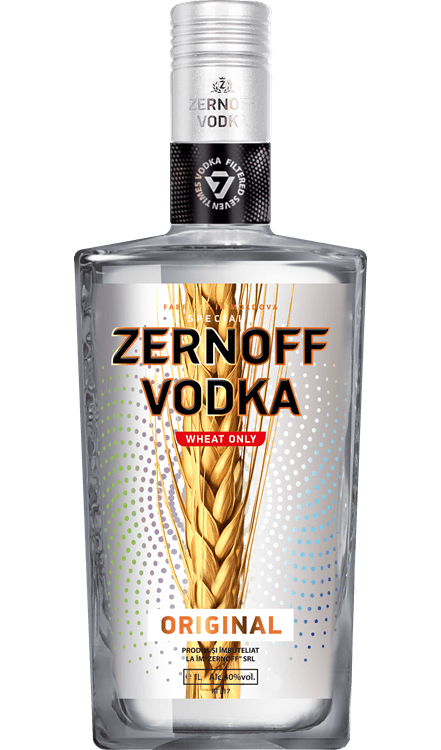
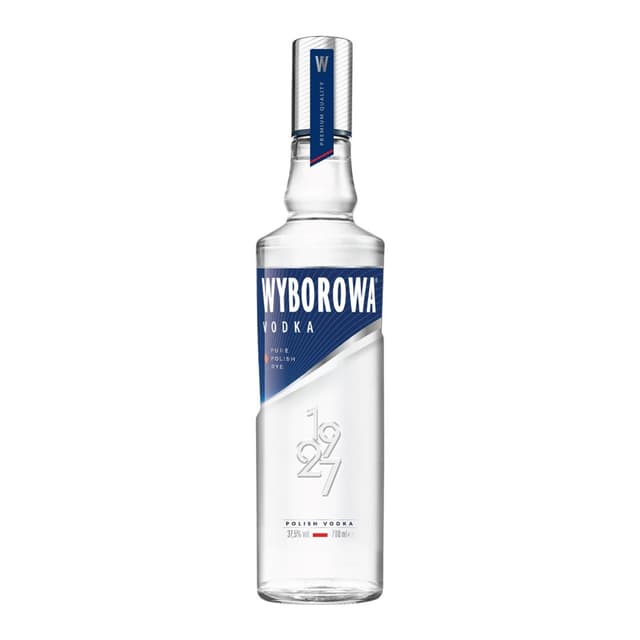
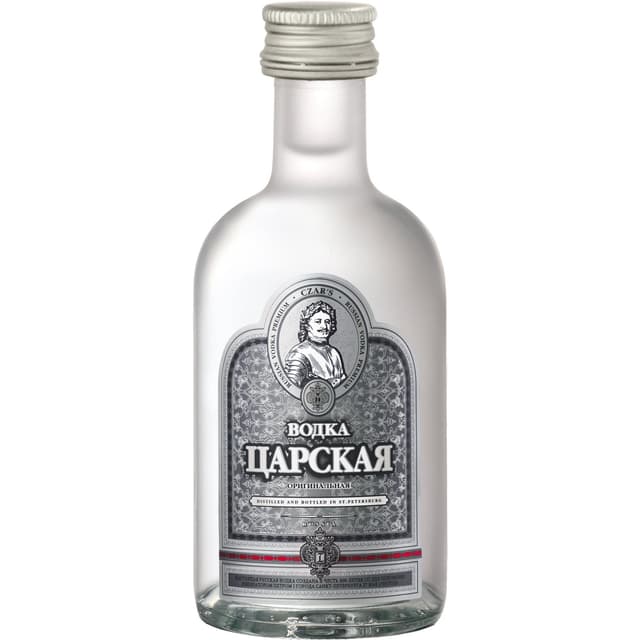
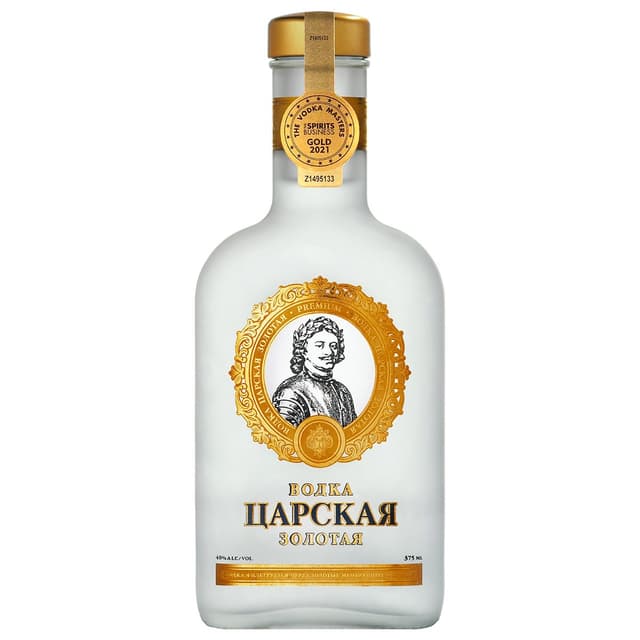
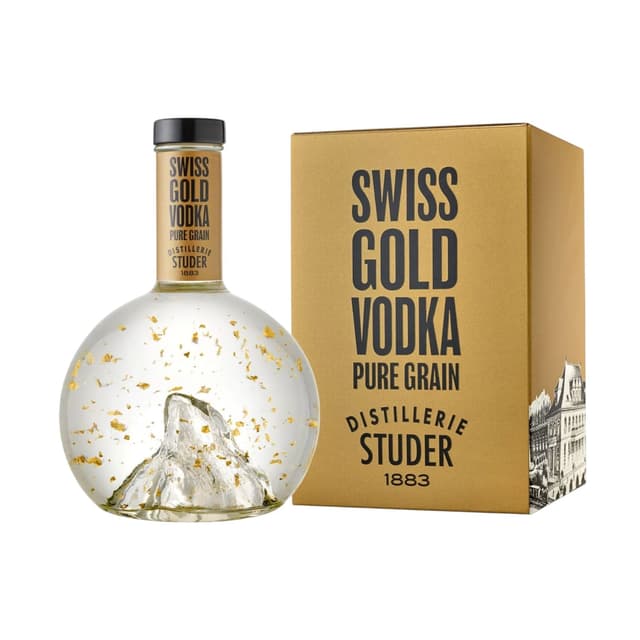
Showing 9 of 152 products
Gin and vodka: the same base, a different goal
Both drinks are based on high-purity ethyl alcohol made from grain, potatoes, grapes or another agricultural raw material. The difference starts with what's done to that spirit. The vodka producer tries to reduce aromas from the raw material and fermentation through distillation and, where needed, filtering through activated charcoal; the aim is a clean, balanced drink. The gin producer uses the same neutral base as a canvas, adding juniper berries and then their own choice of botanicals.
The European Union's spirit drinks regulation 2019/787 requires both to be bottled at a minimum of 37.5% ABV. Vodka may not be coloured and may not have a dominant flavour; in gin, juniper must be the predominant taste. These two simple rules are a good starting point for making sense of hundreds of bottles on the shelf.
A short history
Gin's roots go back to juniper-flavoured genever, recorded in the 16th century in what is now the Netherlands and Belgium; it spread on a mass scale in 18th-century London. The gin and tonic was born in Britain's tropical colonies, from the need to soften the bitter taste of quinine taken against malaria. Vodka has been part of the table for centuries in the region spanning Poland, Russia, Finland and the Baltic states, where it's still mostly drunk ice-cold and neat.
Four shelves in this category
- Gin: London Dry classics, historic styles such as Plymouth and modern takes from Scotland to Japan. Juniper, coriander, angelica root and citrus peel are the most common botanicals.
- Flavoured gin: pink and fruit gins that keep the juniper base but bring notes such as strawberry, orange, lemon, blackberry or rhubarb to the fore.
- Vodka: unflavoured vodkas made from wheat, rye, barley, potatoes or grapes, from Poland, Sweden, Finland, France and Russia.
- Flavoured vodka: vodkas given a distinct flavour such as lemon, mandarin, raspberry, vanilla, bison grass or pepper.
Which bottle should you choose?
The question that makes choosing easiest is how you'll drink it. If you're making a G&T or a Negroni, a London Dry with clear juniper is a safe start; for a more floral or citrusy glass, look at modern or flavoured gins. If you'll mix your vodka with fruit juice, ginger beer or tomato juice, a clean unflavoured vodka is all you need. For vodka drunk neat and ice-cold, the raw material makes more of a difference: wheat vodkas are generally described as soft, rye vodkas as spicier.
Glass and temperature
For a G&T, all you need is a copa (balloon) glass or a tall highball, plenty of large ice and cold tonic. Martini-style cocktails are served in a pre-chilled stemmed glass. Neat vodka is served in small glasses, chilled in the freezer. With flavoured gins and vodkas, a garnish that matches the fruit in the bottle, such as a slice of strawberry for strawberry gin or orange peel for orange gin, completes the drink.
Highlights from our shelves
For a classic London Dry, Tanqueray London Dry Gin and Bombay Sapphire, known since 1986 for vapour-infusing ten botanicals into the spirit, are both good places to start. For a fruity G&T, Gordon's Premium Pink stands out. On the vodka side, there's the versatile cocktail base Smirnoff Red Label (No. 21) and Absolut Vodka, made from winter wheat in Åhus, Sweden; for citrus lovers, Absolut Mandrin is on our shelves too. Message us on WhatsApp for current prices and options.
Frequently asked questions
What's the difference between gin and vodka?
Both are made from neutral alcohol of agricultural origin. With vodka the aim is to reduce traces of the raw material for a clean drink; it has no dominant flavour and isn't coloured. Gin is made by flavouring the same base with juniper and other botanicals, and juniper must lead the taste. Under EU rules both have a minimum strength of 37.5%.
Should a Martini be made with gin or vodka?
The classic Dry Martini is made with gin and dry vermouth; the juniper and botanicals form the backbone of the cocktail. A vodka Martini is cleaner and simpler, so it's preferred by people who don't like botanical flavours. Either way, chill the spirit and glass well, stir the cocktail over ice and strain it.
Do opened bottles of gin and vodka go off?
High-strength spirits don't spoil like wine once opened, and they don't age in the bottle. A bottle kept upright, tightly closed and out of sunlight stays good for a long time. That said, in half-empty bottles more contact with air can make botanical and fruit aromas fade over time, so it's best to finish flavoured products within a reasonable time.
Which gin and vodka bottles should I start a home bar with?
A London Dry gin and a clean unflavoured vodka cover most classic cocktails. The G&T and Negroni use gin; the Moscow Mule and Bloody Mary use vodka. Then broaden the range to suit your taste with a flavoured gin or a flavoured vodka such as lemon or raspberry.
Be the first to hear about offers and new arrivals — sign up to the Jastin newsletter.