
Blended whisky is made by blending whiskies from more than one distillery; in blended Scotch, malt and grain whiskies come together. The Jastin Off Licence range runs from everyday bottles to long-aged premium blends and blended malts, and we deliver across North Cyprus.
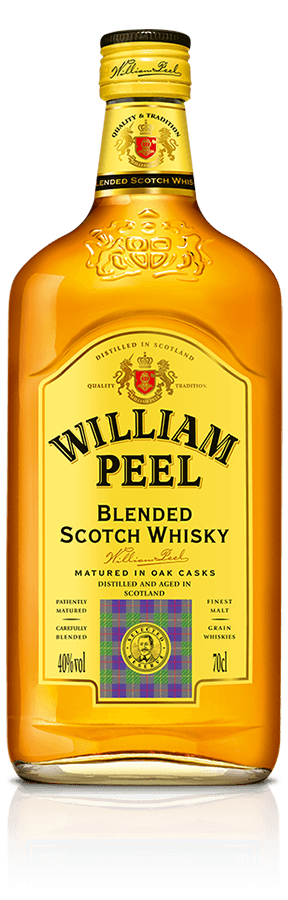
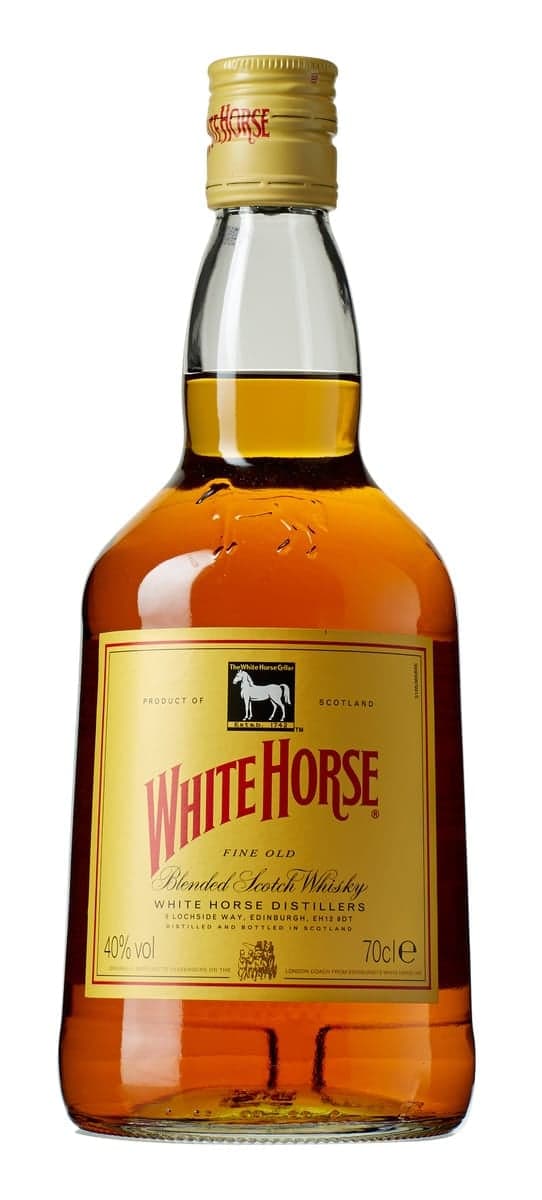
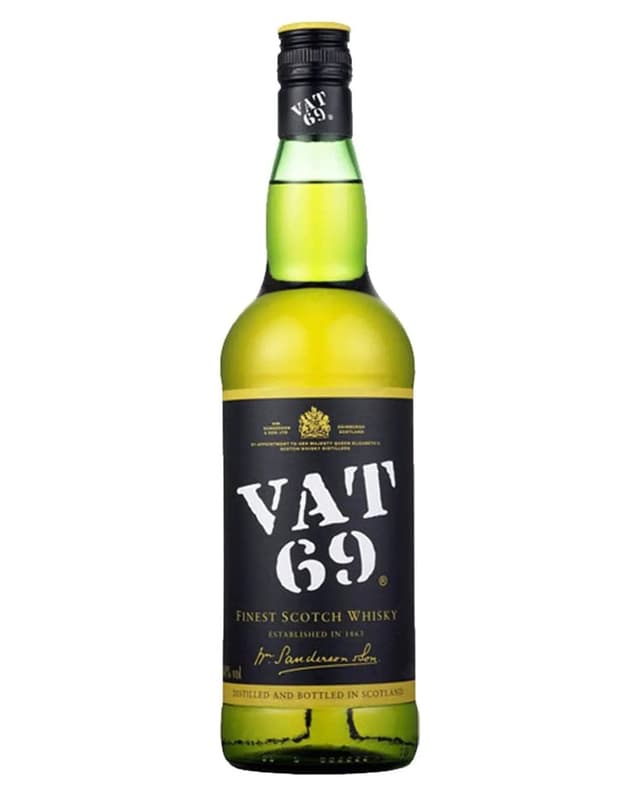
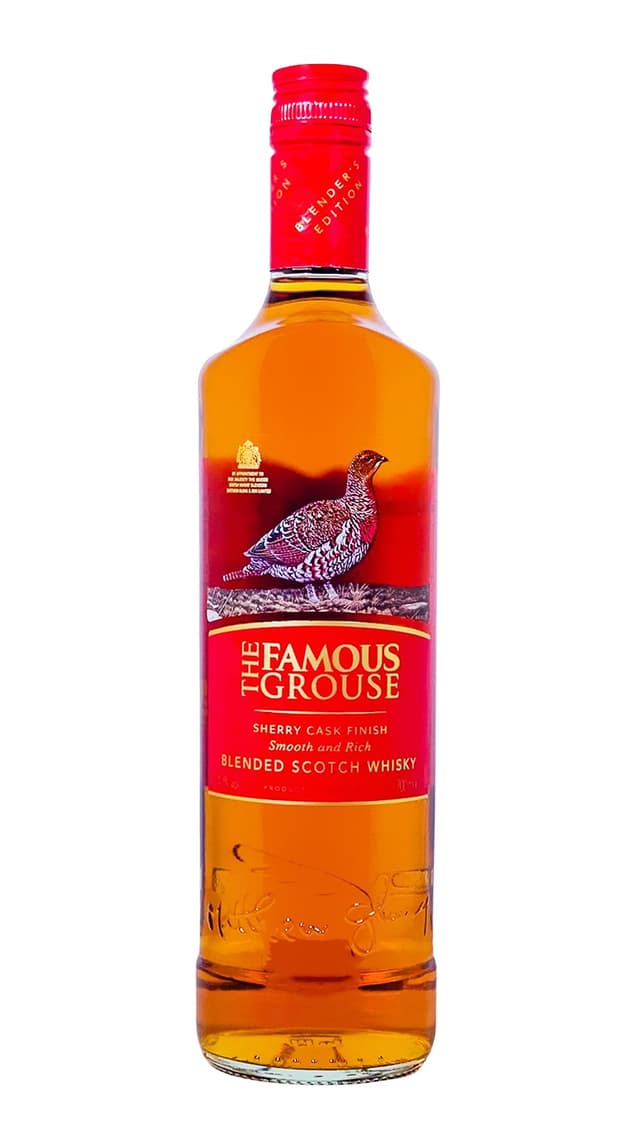
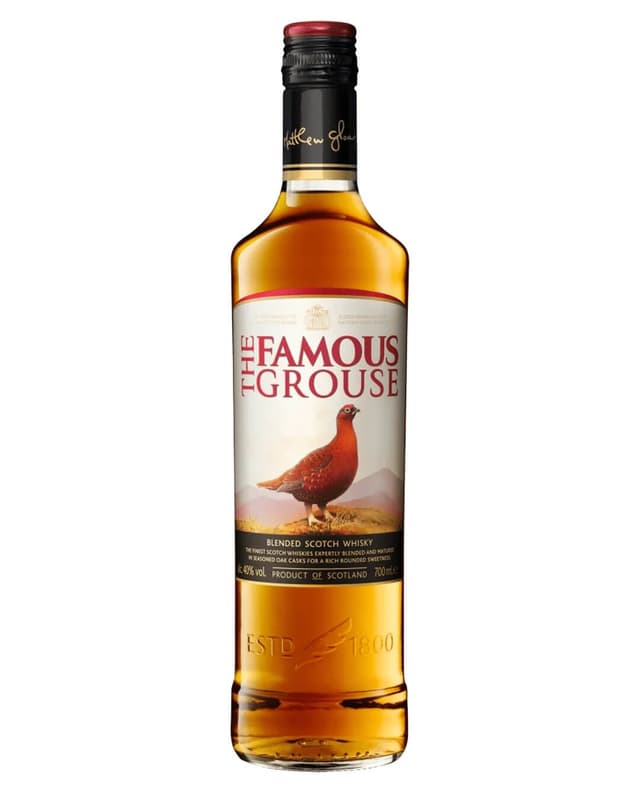
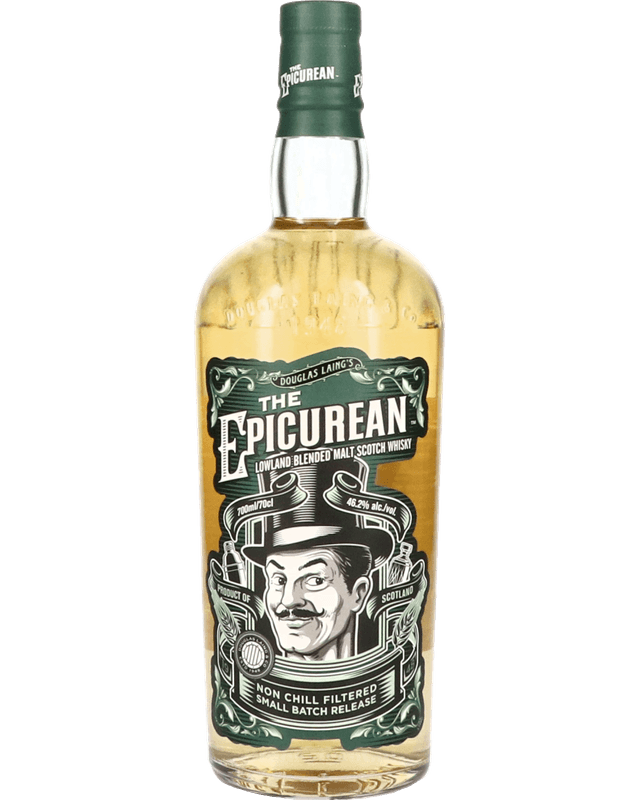
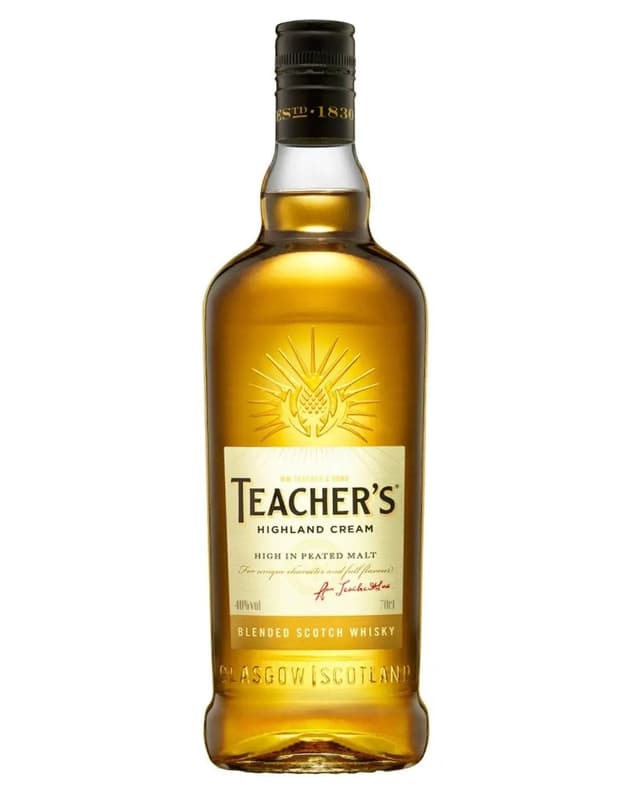
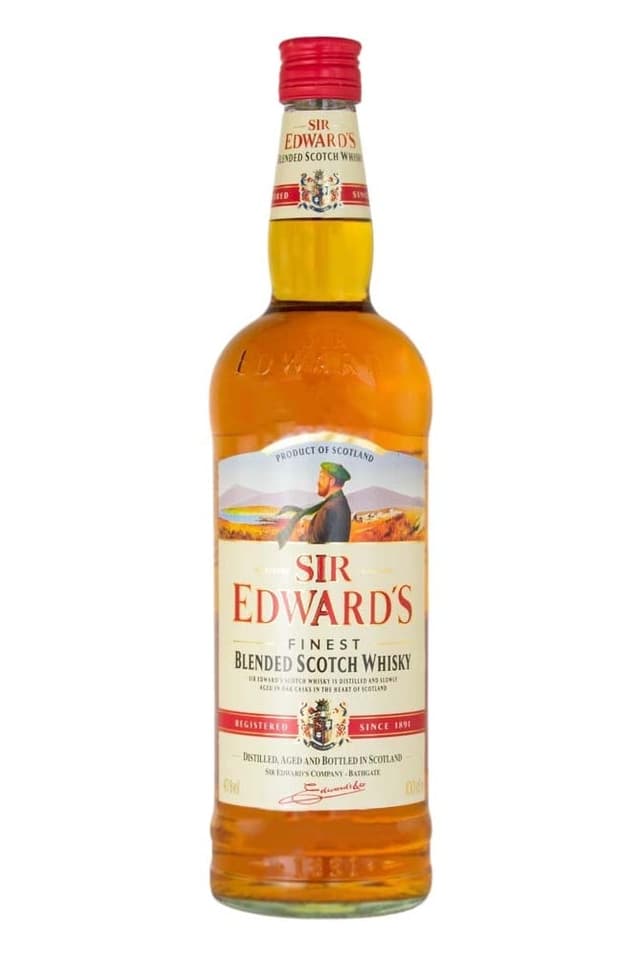
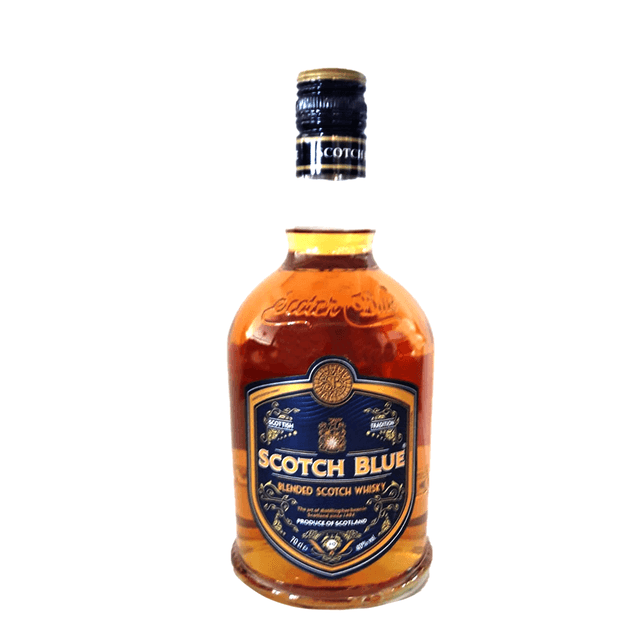
What is blended whisky?
Blending is one of the oldest crafts in whisky. The Scotch Whisky Regulations 2009 define three categories of blend. Blended Scotch Whisky is a mix of one or more single malts with one or more single grain whiskies. Blended Malt Scotch Whisky combines only single malts from different distilleries, and Blended Grain Scotch Whisky only grain whiskies from different distilleries. Whatever the category, every component must meet Scotch rules: distilled in Scotland and matured in oak casks for at least three years.
Grain whisky is made by continuous distillation in column stills and is usually lighter in character; malt whiskies bring body and aroma to the blend. The master blender brings together dozens of different casks to give the same taste year after year. That consistency makes blends dependable both for everyday drinking and in cocktails.
Styles on the blended shelf
- Balanced classics: age-stated blends such as Johnnie Walker Black Label 12 Year Old and Chivas Regal 12 Year Old offer a rounded profile for sipping neat or over ice.
- Blended malt: blends containing no grain whisky. Monkey Shoulder and Johnnie Walker Green Label are well-known examples.
- Smoky blends: bottles such as Islay Mist Original Peated, which bring Islay malt smoke into the blend, are a gentle introduction to peat.
- Long-aged premium blends: bottles such as Royal Salute 21 Year Old are popular as gifts and for special occasions.
When choosing, check the label first: the words Blended Scotch Whisky or Blended Malt Scotch Whisky tell you how the blend is made, and the age statement shows how long the youngest whisky in it spent in cask. Terms like sherry cask finish mean the blend spent its final stage in a different cask; The Famous Grouse Sherry Cask Finish is an example.
How to serve it
Blended Scotch's best-known serve is the highball: fill a tall glass with ice, add the whisky and top up with cold soda. A short glass over ice and serving neat are popular too. With older premium blends, taste from a tulip glass without ice, with a few drops of water, so you don't miss the aroma. Blended Scotch is also usually the base of cocktails such as the Rob Roy and the Penicillin. If you'd like to explore a single distillery's character, move on to our single malt range, or to the main whisky page for every style. Message us on WhatsApp for a current price.
Frequently asked questions
What's the difference between blended malt and blended Scotch?
Blended malt is a blend of single malt whiskies from different distilleries only, with no grain whisky. Blended Scotch combines single malts with grain whiskies made in column stills. Both categories are defined separately in the Scotch Whisky Regulations 2009, and the label states which one it is.
Is blended whisky lower quality than single malt?
No, that's a common misconception. Quality depends on the whiskies used, the casks and the blender's skill. There are premium blends made from long-matured whiskies as well as light blends designed for everyday drinking. Blends and single malts are two different approaches for different tastes.
Which whisky works for a highball?
In a highball, soda opens up and lightens the whisky's aroma, so a balanced, not-too-intense blended Scotch is a good place to start. If you'd like a smoky highball, try a peated blend. A tall glass, plenty of ice and cold soda keep it refreshing.
Be the first to hear about offers and new arrivals — sign up to the Jastin newsletter.