Getting products ready…

Tequila is a spirit protected by a geographical indication, made in Mexico only from blue agave and only in regions defined by law. You can order from our range of 100% agave and mixto tequilas across the blanco, reposado, añejo and extra añejo categories with delivery across North Cyprus.
Product list
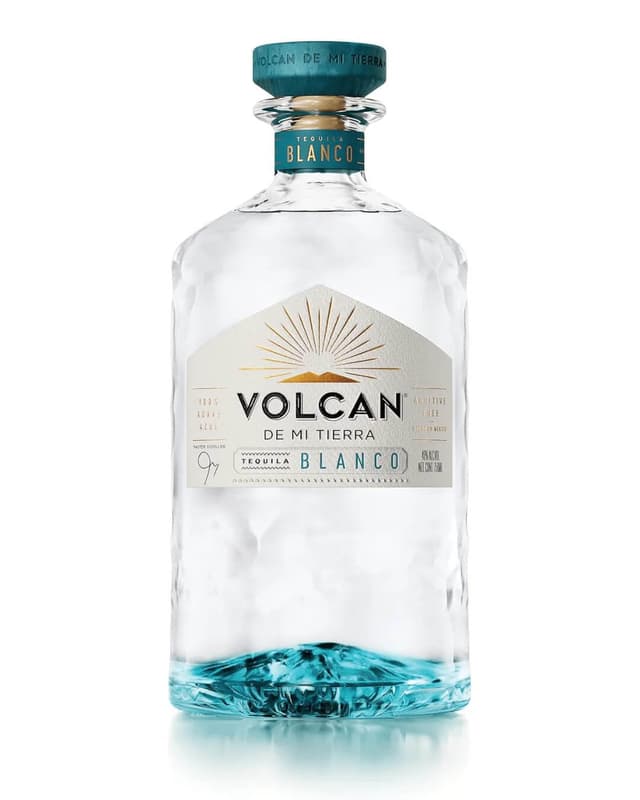
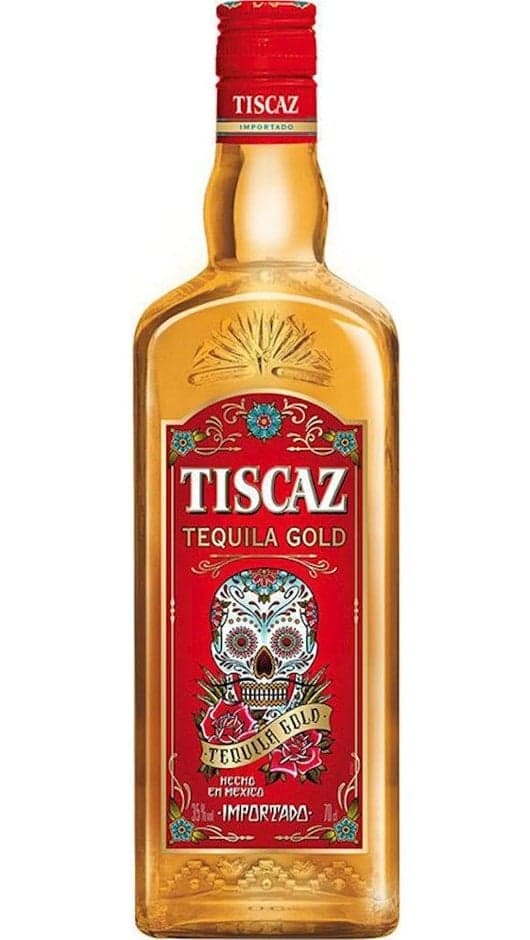
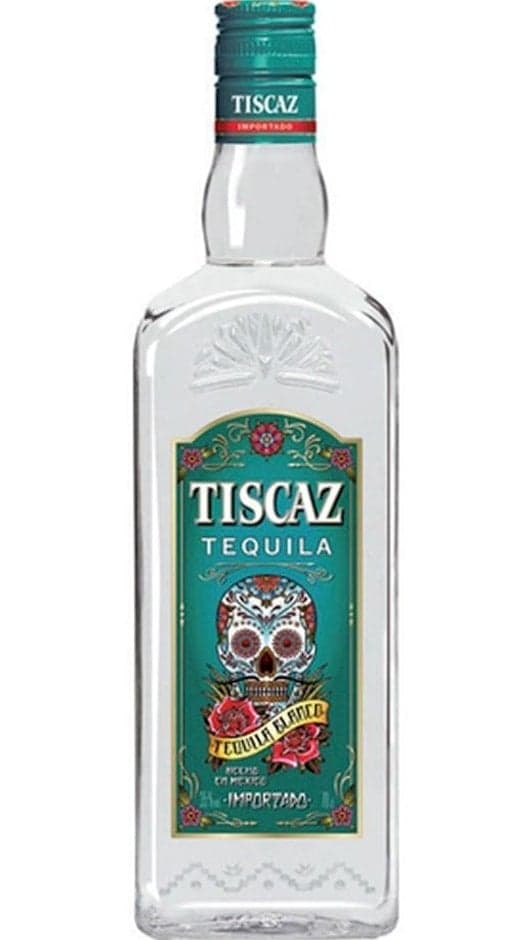
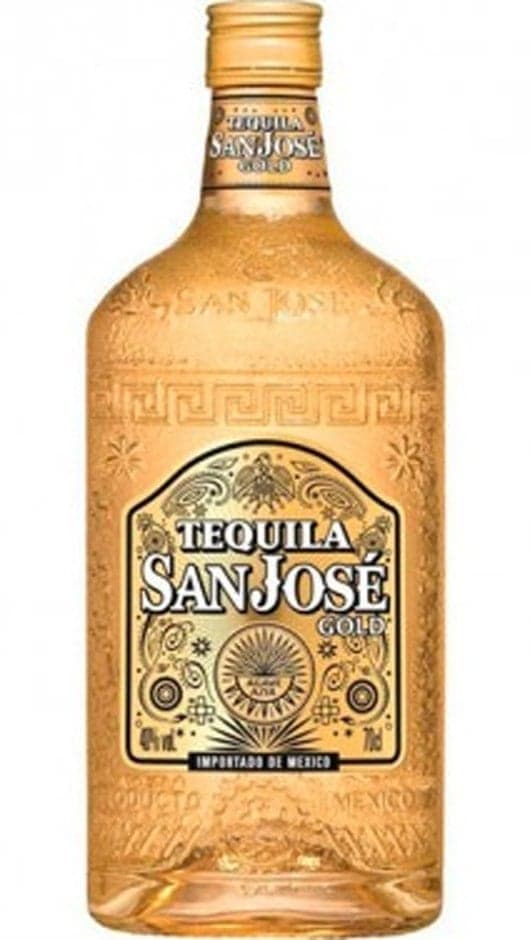
Showing 9 of 40 products
What is tequila and how is it made?
Tequila is made only from blue agave (Agave tequilana Weber, blue variety), and the production area is limited by law: the whole state of Jalisco plus specific municipalities in Guanajuato, Michoacán, Nayarit and Tamaulipas. The rules are set out in Mexico's NOM-006-SCFI standard, and certification is run by the Consejo Regulador del Tequila (CRT). The harvested agave is stripped of its leaves, and the large heart that remains (the piña) is cooked in ovens to turn its starches into sugar, then crushed, fermented and distilled at least twice. Under Mexican law, tequila is between 35% and 55% ABV.
100% agave or tequila?
The standard defines two categories. In tequila labelled "100% agave", all the sugar comes from blue agave. In the category labelled simply "tequila", popularly called mixto, at least 51% of the sugar must come from blue agave; the rest can come from other sugar sources. If you want to taste the agave character more clearly, this wording on the label is the most important clue.
Categories
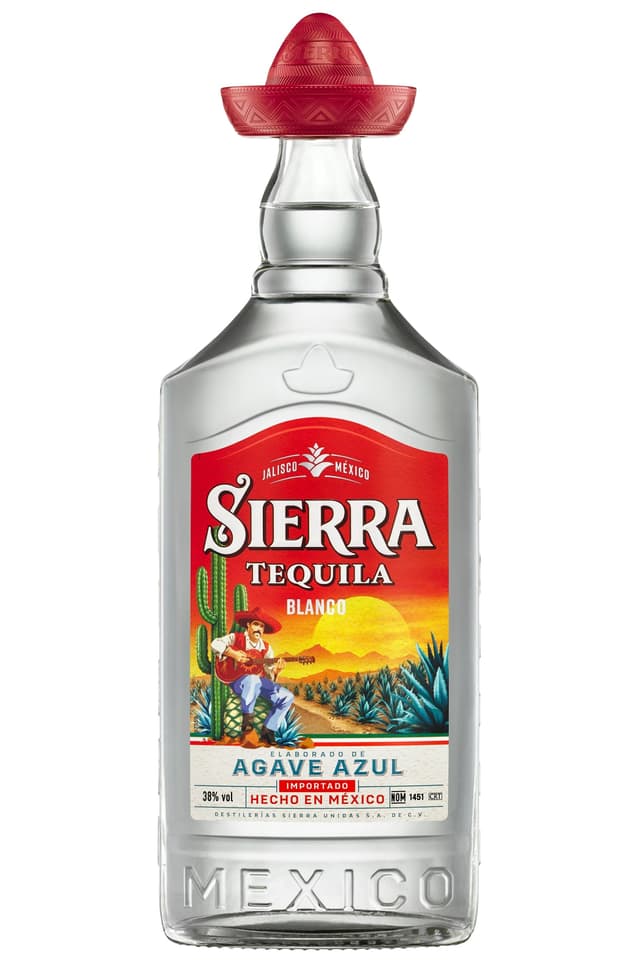
- Blanco / Plata: unaged or kept in oak for less than two months, reflecting the agave in its purest form.
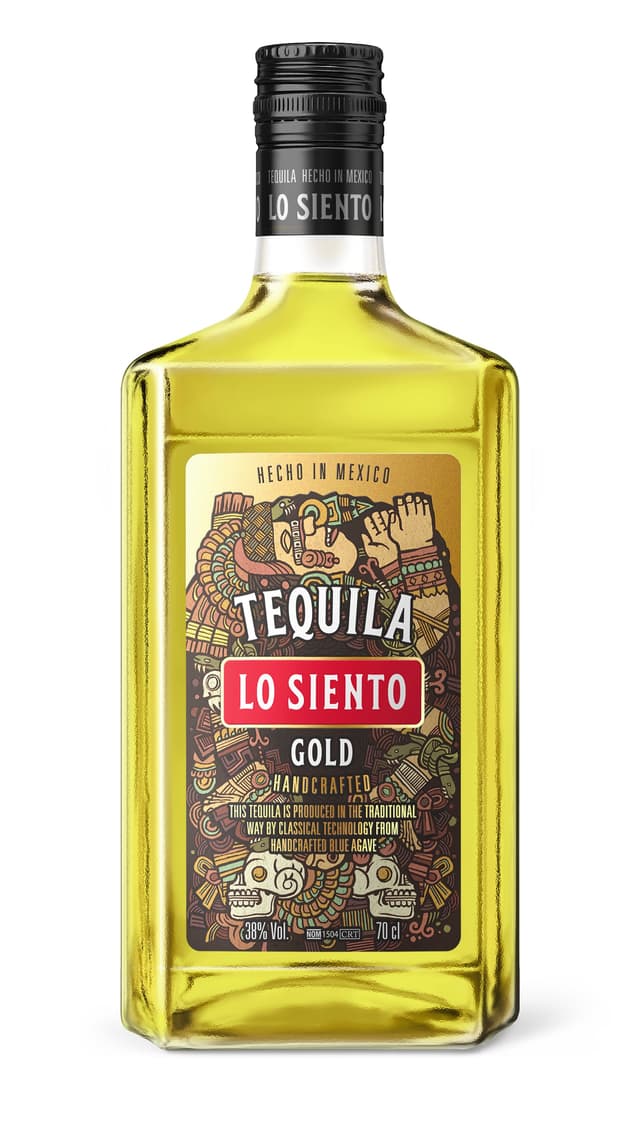
- Joven / Oro (gold): made by blending blanco with aged tequilas, or by smoothing it with permitted additives.
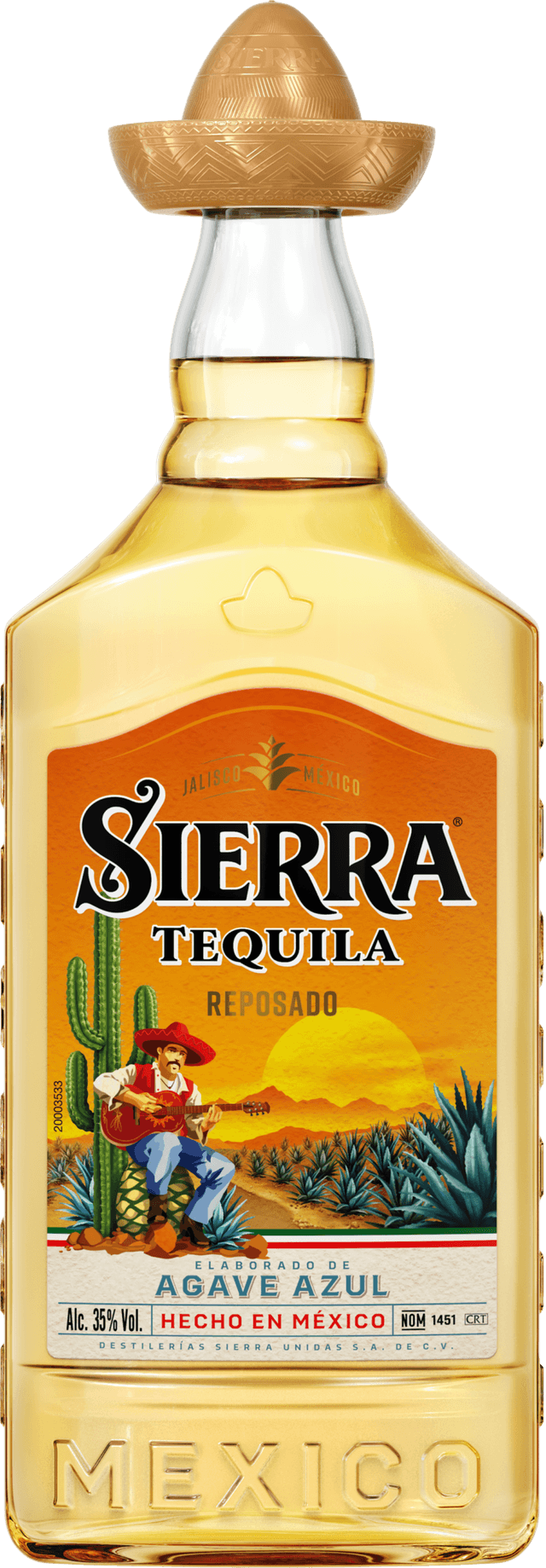
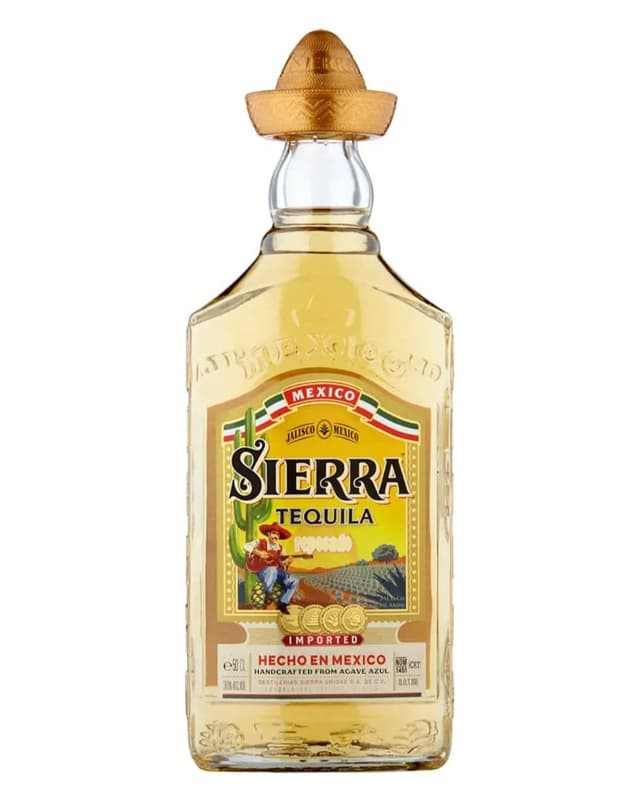
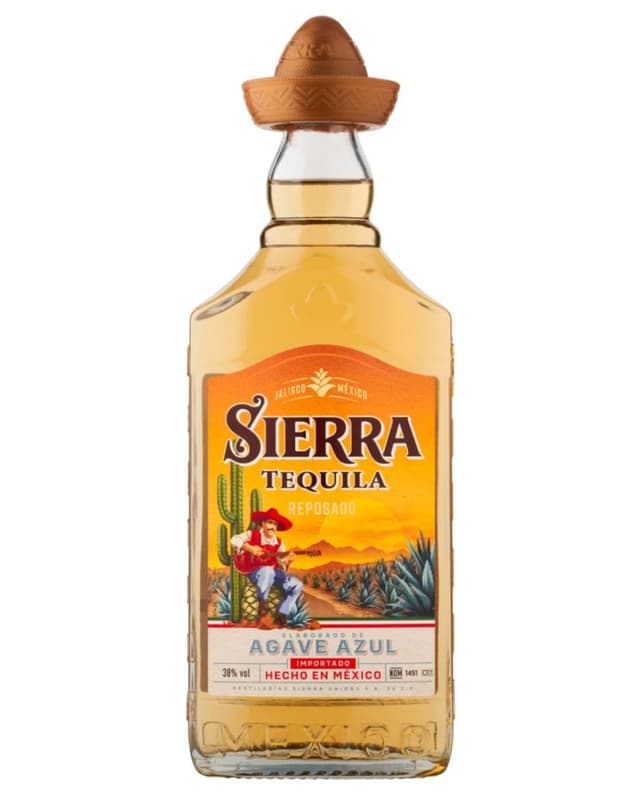
- Reposado: rested in oak for at least two months.
- Añejo: rested for at least a year in oak casks of no more than 600 litres.
- Extra añejo: rested under the same conditions for at least three years.
Tequila and mezcal
Mezcal is a broader family of spirits that can be made from more than thirty types of agave, most of it in the state of Oaxaca. Because the agave hearts are traditionally cooked in earthen pit ovens, mezcal usually has a smoky character. Tequila is historically considered the branch of this family made only from blue agave.
How to serve it
Blanco tequila is the base of cocktails such as the Margarita and the Paloma, made with grapefruit soda. Reposado is a balanced choice both in cocktails and neat. Añejo and extra añejo are sipped from a tulip glass at room temperature, to taste the vanilla and caramel notes from the cask. Shots with salt and lime are a popular tradition, but good 100% agave tequilas show their character better in small sips. For sugar cane-based alternatives, see our rum shelf, or the rum and tequila category for the whole range.
Highlights from our shelves
- Espolòn Blanco: a blanco made from 100% blue agave in Jalisco's Los Altos region.
- Olmeca Silver (Blanco): a practical blanco for cocktails and Margaritas.
- Don Julio Reposado: a reposado made in Atotonilco El Alto, Jalisco.
- Patrón Añejo: an añejo with oak notes for sipping.
- Kah Extra Añejo: a bottle from the extra añejo category, rested for at least three years.
Frequently asked questions
What's the difference between tequila and mezcal?
Tequila is made only from blue agave, in regions defined by law, above all Jalisco. Mezcal can be made from more than thirty types of agave and is mostly produced in Oaxaca. In mezcal the agave hearts are traditionally cooked in earthen pit ovens, so a smoky taste comes through; tequila is usually cooked in ovens or autoclaves.
What does "100% agave" mean?
It means all the sugar in the tequila comes from blue agave; no other sugar source has been used. If the label doesn't say this, the product is in the mixto category: at least 51% of the sugar comes from blue agave and the rest can come from other sources. People who want a more pronounced agave character usually choose 100% agave tequilas.
What's the difference between blanco, reposado and añejo?
The difference is resting time. Blanco is unaged or rested for less than two months: fresh and vegetal. Reposado spends at least two months in oak and picks up light vanilla notes. Añejo is rested for at least a year in oak casks of up to 600 litres, and extra añejo for at least three years.
Is gold (oro) tequila aged?
Not always. Joven or oro tequila can be made by blending blanco with aged tequilas such as reposado or añejo, or by adding permitted additives to blanco. So a golden colour alone doesn't mean long cask ageing; if you want an aged tequila, look for reposado or añejo on the label.
How should tequila be drunk?
Blanco is used in cocktails such as the Margarita and Paloma, reposado both in cocktails and neat. Añejo and extra añejo are sipped slowly from a tulip glass at room temperature. Shots with salt and lime are a popular tradition, but good tequilas show their agave and cask notes more clearly in small sips.
Be the first to hear about offers and new arrivals — sign up to the Jastin newsletter.