Getting products ready…

Rum is a spirit made by fermenting and distilling sugar cane molasses, sugar cane syrup or fresh cane juice. You can order from our range of white, gold and aged rums from Cuba, the Dominican Republic, Venezuela and Trinidad with delivery across North Cyprus.
Product list
Showing 9 of 18 products
What is rum and how is it made?
Rum emerged in the 17th century in the Caribbean, most probably on the sugar plantations of Barbados, when it was discovered that molasses, a by-product of sugar production, could be fermented and distilled. Under the European Union's regulation 2019/787, rum is made only from sugar cane raw materials, meaning molasses or syrup left from sugar production or cane juice, and distilled to below 96%. It's bottled at a minimum of 37.5% ABV, may not be flavoured, only caramel may be added to adjust colour, and sugar added to round off the taste may not exceed 20 grams per litre.
Aged rums mature in oak casks. In hot climates like the Caribbean, interaction with the cask speeds up and evaporation is much higher than in cool climates, so the age of a tropical rum can't be compared directly with a spirit rested for the same time somewhere cool like Scotland.
Three traditional styles
- Spanish style: light-bodied rums distilled in column stills in Cuba, Puerto Rico, the Dominican Republic and Venezuela. They get most of their character in the cask.
- English style: fuller, fruitier rums from pot stills and long fermentation in Jamaica, Barbados and Guyana.
- French style: vegetal, earthy rhum agricole made from fresh cane juice in Martinique and Guadeloupe.
White, gold, dark: colour doesn't show age
White rums are preferred for cocktails, gold and dark rums for long drinks and richer recipes, and aged rums for sipping neat. But colour alone isn't a sign of age: Trinidad's Angostura Reserva is rested in cask for at least three years and then filtered and bottled clear. And some dark rums have their colour adjusted with caramel.
How to serve it
White rum is the base of the Mojito, Daiquiri and Piña Colada; for a Cuba Libre you just need rum, cola and fresh lime. Dark rums come into their own in long drinks with ginger beer, like the Dark 'n' Stormy. Sipping aged rums from a tulip glass, at room temperature or over a single large ice cube, brings out notes of vanilla, dried fruit and spice. For spiced and fruity bottles, see our spiced rum shelf; for an agave-based alternative, our tequila range; and for every bottle, the rum and tequila category.
Highlights from our shelves
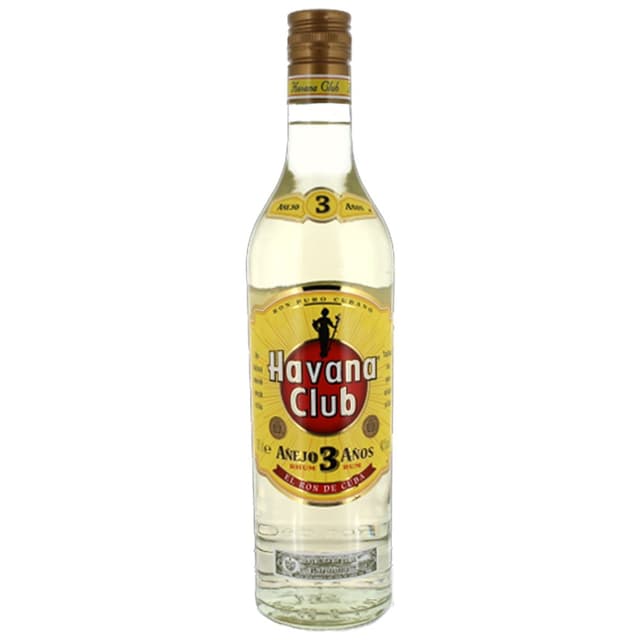
- Havana Club 3 Años: a light white rum from Cuba for cocktails.
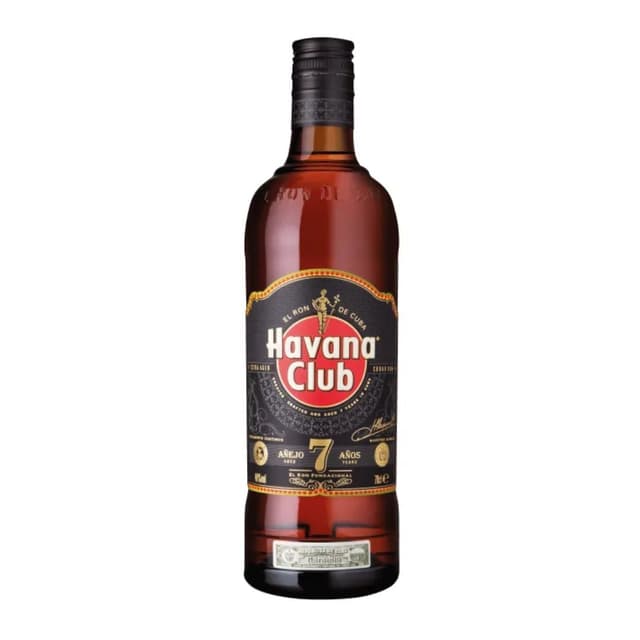
- Havana Club 7 Años: the same house's aged dark rum, made for sipping.
- Brugal Añejo: a Spanish-style añejo from a Dominican house producing since 1888.
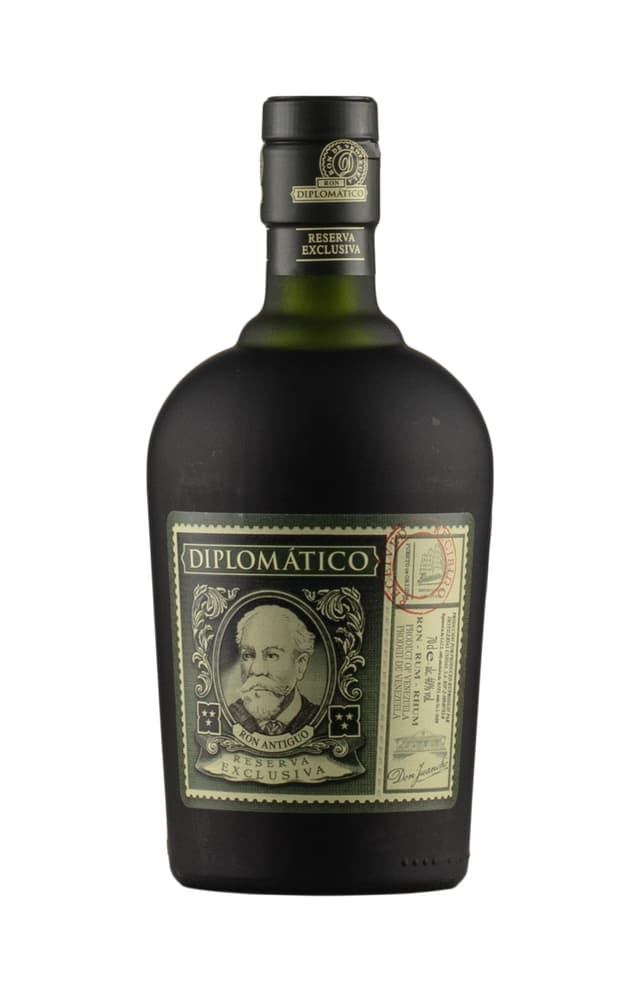
- Diplomático Reserva Exclusiva: a rich, sweetish aged blend from Venezuela.
- Angostura Reserva 3 Year Old: a clear Trinidad rum, aged then filtered.
- Bacardi Carta Blanca: a versatile white rum for Mojitos and Daiquiris.
Frequently asked questions
What's the difference between white rum and dark rum?
White rums are usually rested briefly or filtered clear after cask ageing; their light body works well in cocktails. Dark rums may spend longer in cask or have their colour deepened with caramel; they're fuller with caramel notes. As colour alone doesn't show age, check the age information on the label too.
What does the age statement on a rum label mean?
How to read age statements depends on the producing country's rules and the brand's practice. On some labels the number refers to the youngest rum in the blend, while some producers using solera-style fractional blending may use the number as a style or an average. The producer's own explanation is the most reliable guide.
Which rum is used for a Mojito?
A Mojito is traditionally made with white rum; its light body doesn't overpower the mint, lime and sugar. Spanish-style rums from Cuba and Puerto Rico are the classic choice. Don't over-muddle the mint, use plenty of crushed ice and top up with soda for a balanced drink.
How should aged rum be drunk?
Aged rums are best tasted neat or over a single large ice cube, in a tulip glass or a short, heavy-based tumbler. Serving at room temperature lets the aromas open up; a few drops of water can soften the edge. Sipping slowly rather than mixing with cola or juice lets you appreciate the notes from the cask.
Be the first to hear about offers and new arrivals — sign up to the Jastin newsletter.