
Red wine is made by fermenting black grapes together with their skins, which give it its colour and tannin. The Jastin Off Licence red wine shelf runs from Anatolia's local grapes to Italian Amarone, and from port to Cyprus's Commandaria; we deliver to your address in North Cyprus.
How is red wine made?
The juice of black grapes is usually almost colourless; the pigments that give the red colour are in the skins. So for red wine, the crushed grapes are fermented together with their skins, and during this contact (maceration) colour, aroma and tannin pass into the juice. Tannins are compounds that leave a slightly astringent, drying feeling in the mouth; they come from the skins and seeds and give the wine its structure. Young reds have a purplish tint, turning brick red as they age.
Main styles on the shelf
International grapes
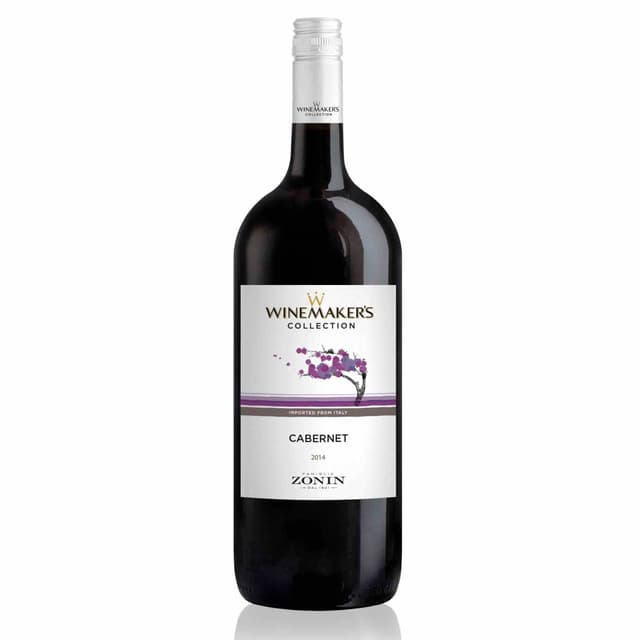
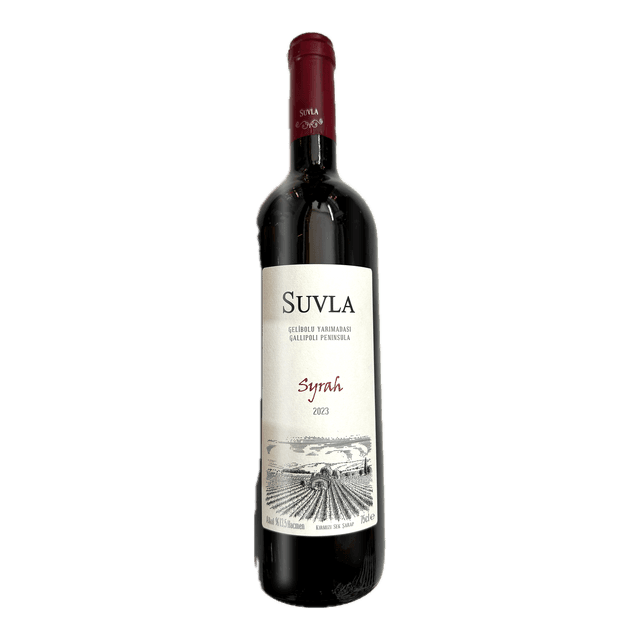
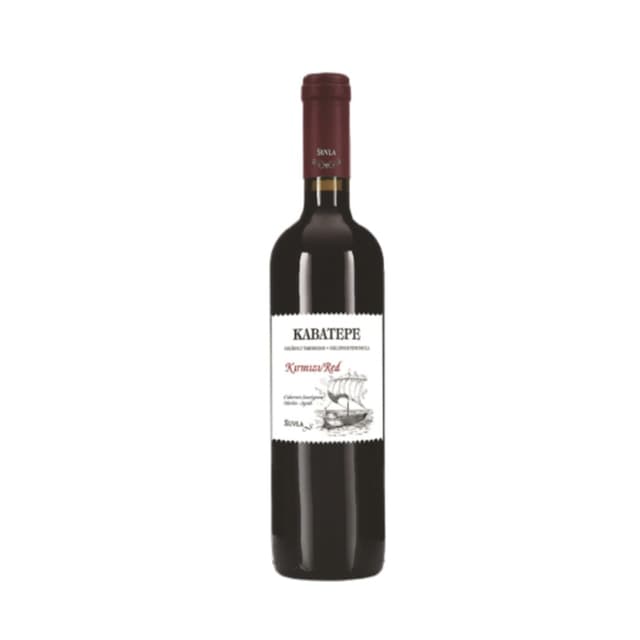
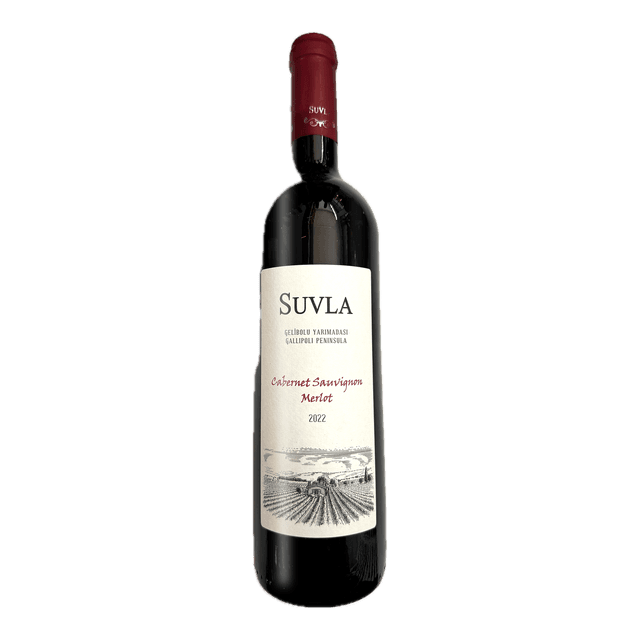
Cabernet Sauvignon is usually deep in colour and tannic; Merlot is softer and rounder; Syrah (Shiraz) has a spicy character; and Pinot Noirs such as Cielo Pinot Noir are lighter in colour and body.
Anatolia's local grapes
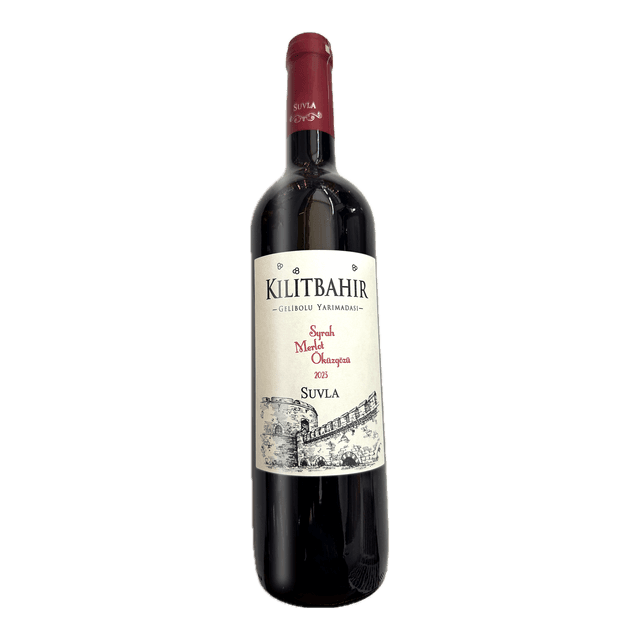
Öküzgözü, from Elazığ, is fruity and lively, while Boğazkere, from Diyarbakır, is known for its pronounced tannins, as its name ("throat-scratcher") suggests. The two are often blended; Öküzgözü Boğazkere (SVEL) is an example of this classic pairing.
Amarone and Bardolino from Italy
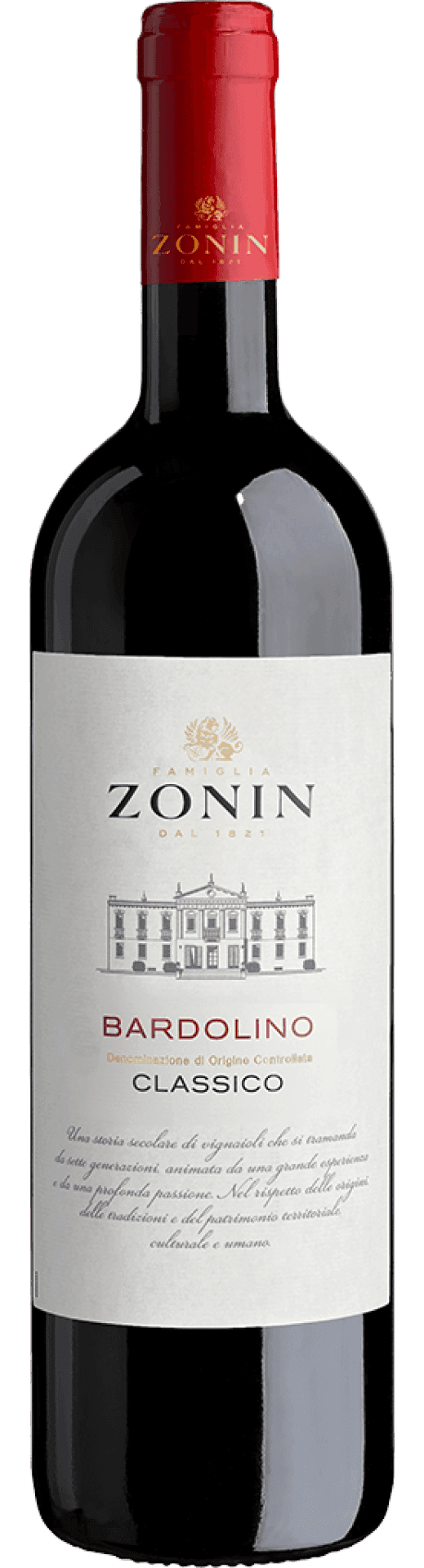
In Valpolicella, near Verona, Corvina-led grapes are dried for about four months; Amarone della Valpolicella, made this way, is a full-bodied, dry, high-alcohol wine. Its neighbour Bardolino, from the same area, is a much lighter red.
Sweet and special reds
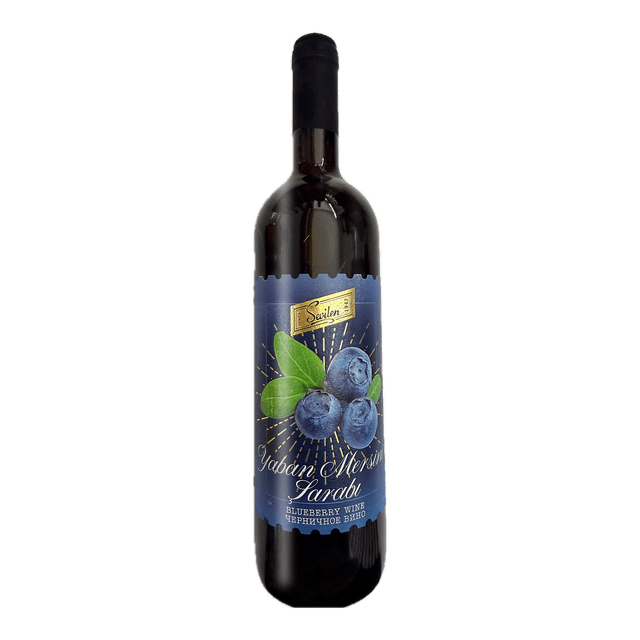
Port, from Portugal's Douro Valley, is made by stopping fermentation halfway and adding grape spirit; it's sweet and high in alcohol. Sandeman Port Tawny gains a golden-brown colour and nutty notes from long cask ageing, while the Ruby style is young and fruity. Commandaria, made from Cyprus's sun-dried Xynisteri and Mavro grapes, is an amber sweet wine whose name goes back to the time of the Crusades. The shelf also has fruit wines from Kutman and Sevilen, such as Kutman Pomegranate Wine, and sangrias.
Serving and food pairing
- Temperature: light reds are best at around 13 °C, medium to full-bodied reds at 15–18 °C. In hot weather, putting the bottle in the fridge briefly before serving brings it into this range. Sweet wines such as port and Commandaria are also served slightly cool.
- Glass: a glass with a wide bowl helps gather the aromas.
- Food: tannic reds go with grilled meat and kebabs, light reds with chicken, mushrooms and meze, and sweet reds with nuts and cheese.
For something lighter, browse our rosé wines; for a fish supper, our white wines; or see our whole wine range.
Frequently asked questions
At what temperature should red wine be served?
Light-bodied reds are served at around 13 °C, medium to full-bodied reds at 15–18 °C. Serving too cold makes the tannins harsh; too warm brings the alcohol forward. As room temperature in summer is above this range, cooling the bottle briefly before serving works well.
What is port?
Port is a fortified wine made in Portugal's Douro Valley. Neutral grape spirit is added during fermentation to stop it, so natural sugar stays in the wine and the alcohol usually rises to 19–22%. The Ruby style is aged briefly and is fruity; the Tawny style gains a golden-brown colour and nutty aroma from long cask ageing.
What is Commandaria?
Commandaria is an amber sweet wine made from sun-dried Xynisteri and Mavro grapes in specific villages of Cyprus's Limassol area. It's aged in oak for at least two years and has a protected designation of origin in the European Union. Its name dates back to the Crusades, and it's considered one of the oldest named wines still in production.
What are Öküzgözü and Boğazkere?
Öküzgözü and Boğazkere are Anatolia's best-known local red grapes. Öküzgözü comes from the Elazığ area and makes fruity, lively wines. Boğazkere, from Diyarbakır, is known for its intense tannins; its name comes from that firm character. As the two balance each other, they're often blended in the same bottle.
Be the first to hear about offers and new arrivals — sign up to the Jastin newsletter.