Getting products ready…

Sparkling wine contains dissolved carbon dioxide and usually gets its bubbles from a second fermentation; champagne is the name given only to sparkling wine made to the rules of France's Champagne region. The Jastin Off Licence range brings together champagne, Prosecco, Asti, Lambrusco and Sekt; we deliver to your address in North Cyprus.
Product list
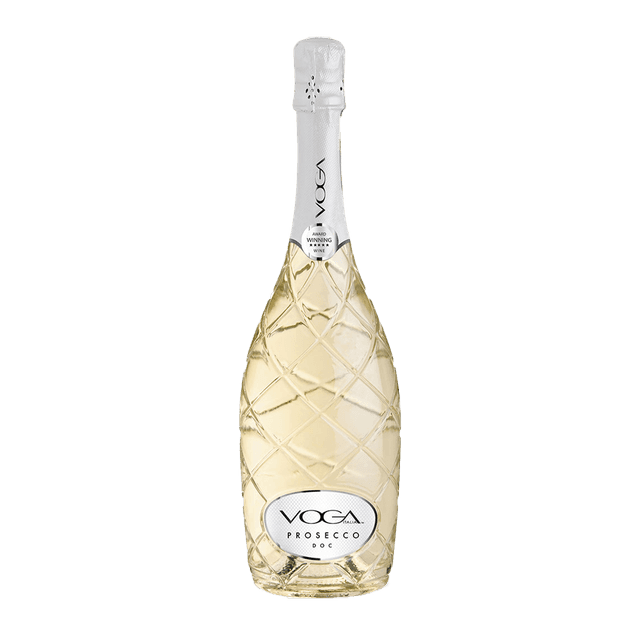
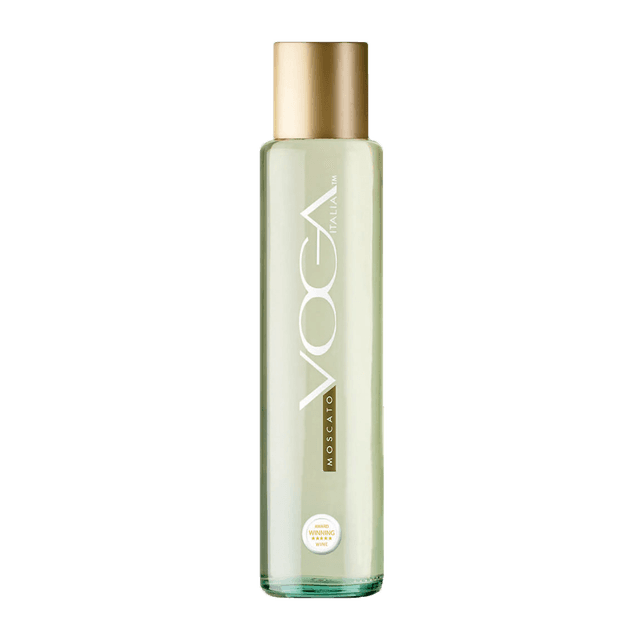
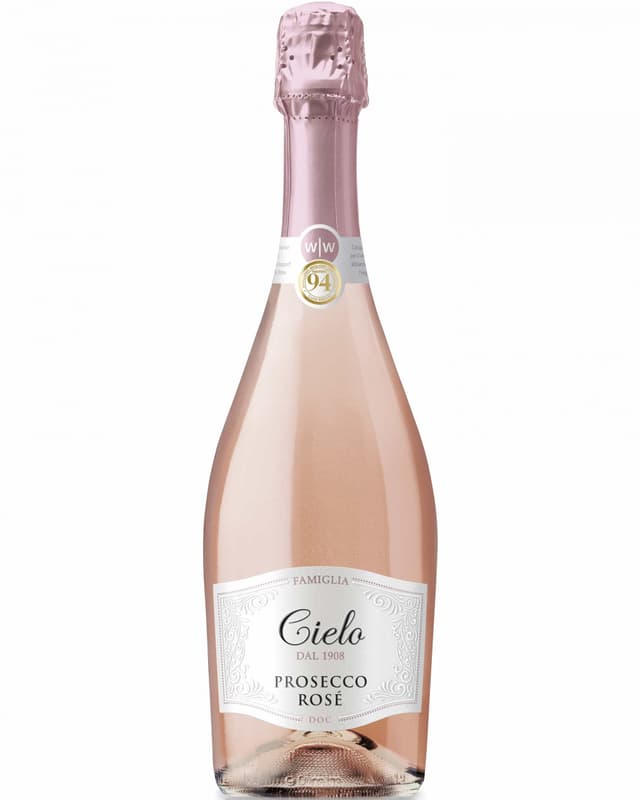
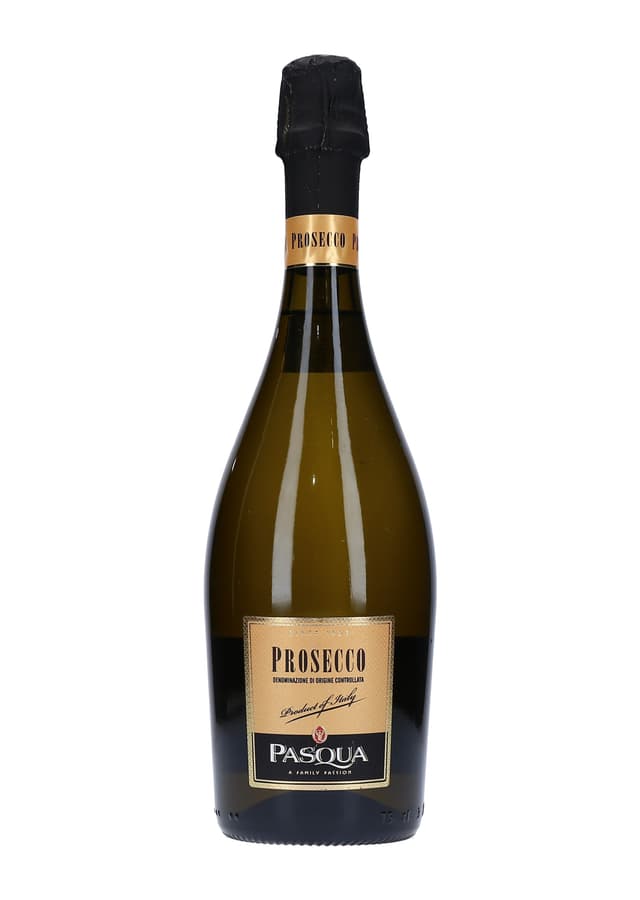
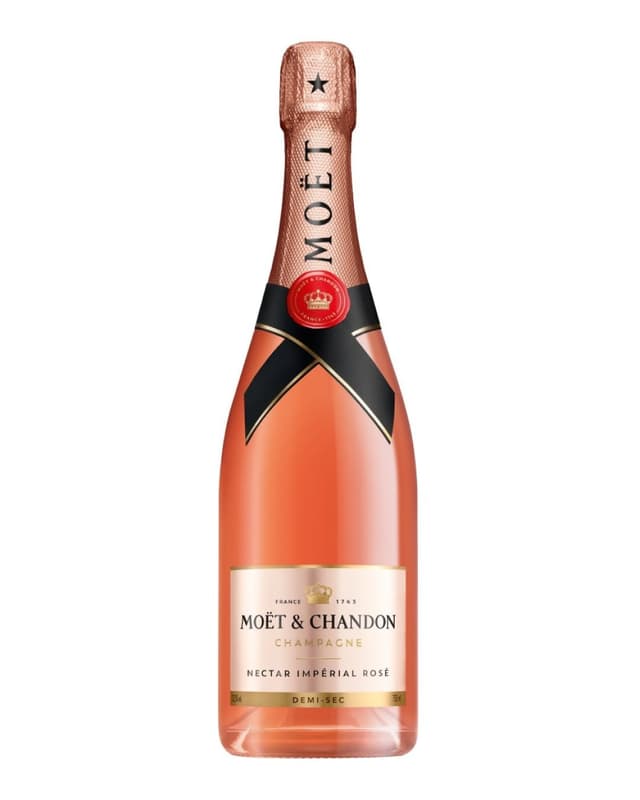
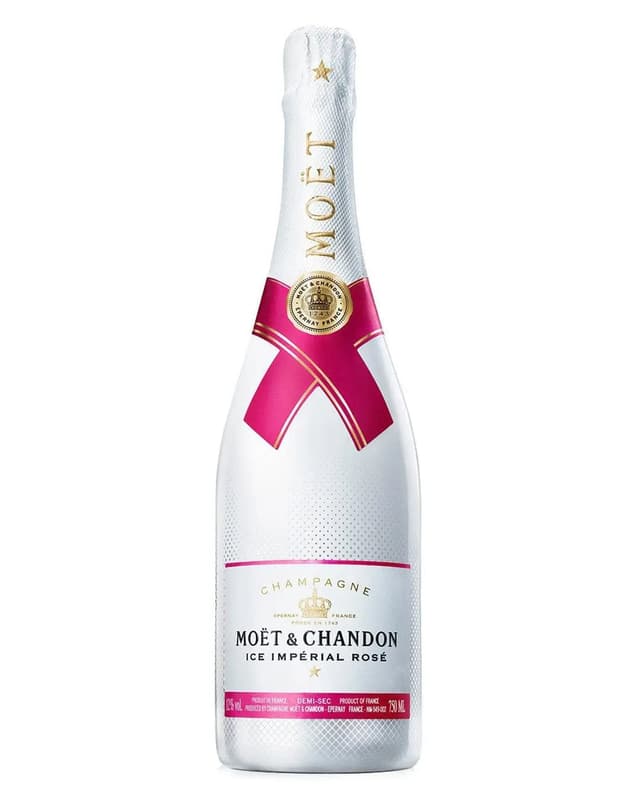
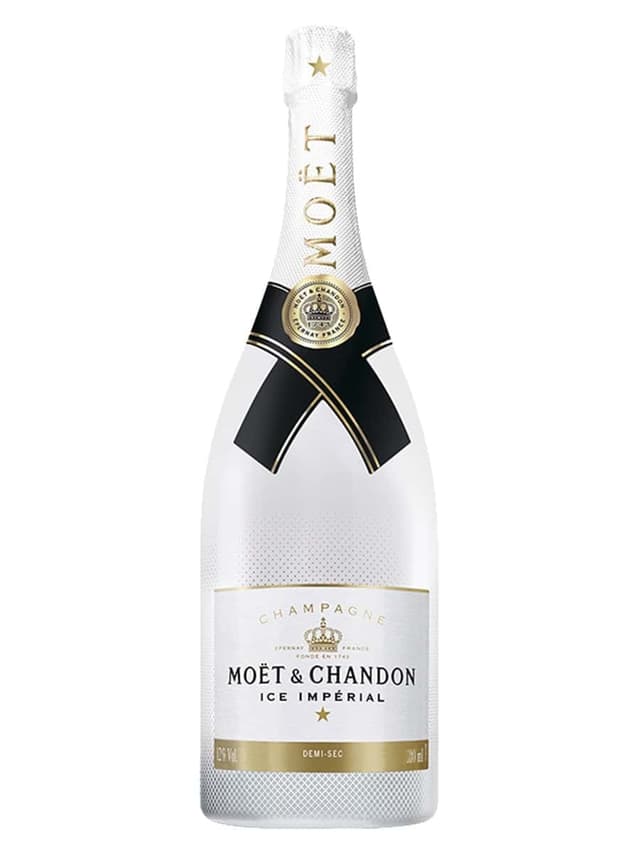
Showing 9 of 38 products
The difference between champagne and sparkling wine
All champagne is sparkling wine, but not all sparkling wine is champagne. The name champagne belongs only to wines made in France's Champagne region under the region's appellation rules. These wines are made mainly from Chardonnay, Pinot Noir and Meunier grapes and undergo their second fermentation in the bottle. Non-vintage champagnes rest on their lees for at least 15 months, vintage champagnes for at least three years.
Production methods
- Traditional method (méthode traditionnelle): the base wine is bottled with added sugar and yeast; the second fermentation takes place in the bottle, then the sediment is removed. Champagne, Spanish cava and French crémants are made this way.
- Tank (Charmat-Martinotti) method: the second fermentation takes place in large pressurised stainless steel tanks. Prosecco and Asti are the best-known examples; the method preserves the grape's fresh fruit aromas.
- Carbonation: in some budget sparkling wines, the gas is added directly to the wine; the bubbles are bigger and fade quickly.
Main styles on the shelf
Champagne
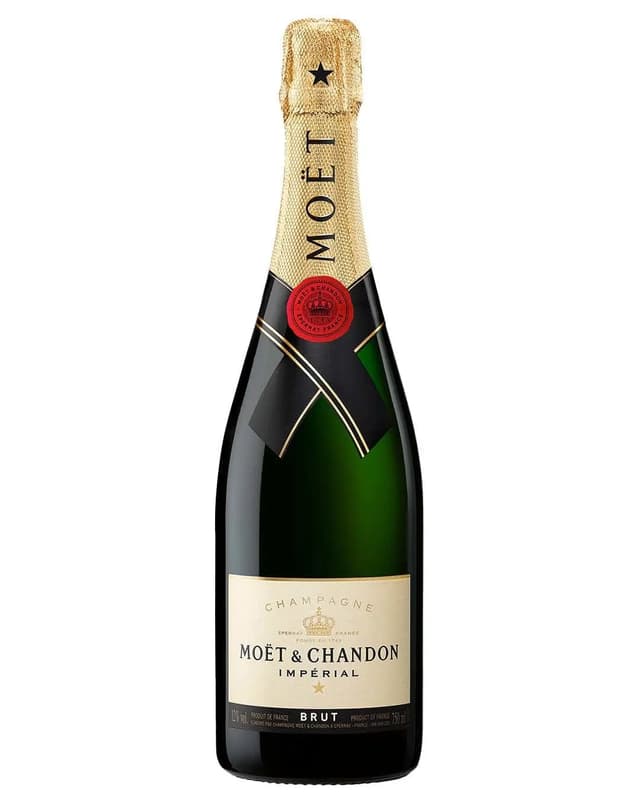
The signature wine of Moët & Chandon, founded in Épernay in 1743, is Moët & Chandon Brut Impérial. The house's Ice Impérial, designed to be served over ice, and the prestige wine Dom Pérignon Vintage, made only in exceptional harvest years, are on the shelf too.
Prosecco
Made in north-east Italy's Veneto and Friuli-Venezia Giulia regions from at least 85% Glera grapes. It comes fully sparkling (spumante) and lightly sparkling (frizzante); since 2020, rosé Prosecco made by adding Pinot Nero to Glera has also been produced. Bottega Gold Prosecco is one of the examples in our range.
Asti and Lambrusco
Asti, made from Piedmont's Moscato Bianco grape, is a sweet, low-alcohol sparkling wine; Filipetti Asti DOCG Dolce represents this style. Lambruscos from Emilia-Romagna, such as Cavicchioli Lambrusco, are lightly sparkling red wines served chilled.
Sekt and others
Alongside Henkell Trocken, a well-known example of German Sekt, there's Cricova from Moldova and sparkling wines from other countries.
Sweetness terms on the label
For champagne, sugar per litre runs as follows: Brut Nature under 3 g, Extra Brut up to 6 g, Brut under 12 g, Extra Dry 12–17 g, Sec 17–32 g, Demi-Sec 32–50 g, Doux 50 g and above. Note: Extra Dry is sweeter than Brut.
Serving
Sparkling wines are served at 6–10 °C, champagne usually at 7–9 °C. When opening, holding the cork and slowly turning the bottle stops it foaming over. Tall, narrow flutes keep the bubbles going for longer.
For still wines, browse our white wine and rosé wine sections, or our whole wine range.
Frequently asked questions
What's the difference between champagne and sparkling wine?
Champagne is sparkling wine made only in France's Champagne region, following the region's appellation rules. It's made mainly from Chardonnay, Pinot Noir and Meunier grapes, with the second fermentation in the bottle. Sparkling wines made elsewhere can't be called champagne even if made the same way; they go by their own names, such as cava, crémant, Prosecco or Sekt.
What's the difference between Prosecco and champagne?
Prosecco is made in north-east Italy, mainly from Glera grapes, and usually has its second fermentation in pressurised tanks, which brings fresh fruit and floral aromas to the fore. Champagne is made in France's Champagne region from different grapes, with the second fermentation in the bottle, and long resting on the lees gives it a bready, more layered character.
What do Brut, Extra Dry and Demi-Sec mean?
These terms show the sugar level in sparkling wine. Brut is the dry style with under 12 grams of sugar per litre. Despite its name, Extra Dry is sweeter than Brut, with 12–17 grams per litre. Demi-Sec, at 32–50 grams per litre, is noticeably sweet and goes well with desserts.
What's the difference between frizzante and spumante?
Both are Italian terms for sparkling wine. Spumante means fully sparkling wine, frizzante a lower-pressure, lightly sparkling (semi-sparkling) wine. Frizzante has softer, fewer bubbles, so it's seen as a more relaxed, everyday style.
At what temperature should champagne be served?
Champagne is usually served at 7–9 °C; 6–10 °C is recommended for other sparkling wines. A few hours in the fridge, or about half an hour in an ice bucket filled with ice and water, is enough. Serving too cold mutes the aromas, while a bottle that's too warm is more likely to foam over when opened.
Be the first to hear about offers and new arrivals — sign up to the Jastin newsletter.