Getting products ready…
Single malt whisky is made at a single distillery from nothing but malted barley and water, distilled in copper pot stills. The Jastin Off Licence range includes Scotch single malts from Speyside, the Highlands, the Lowlands and Islay, plus bottles from Taiwan, and we deliver across North Cyprus.
Product list
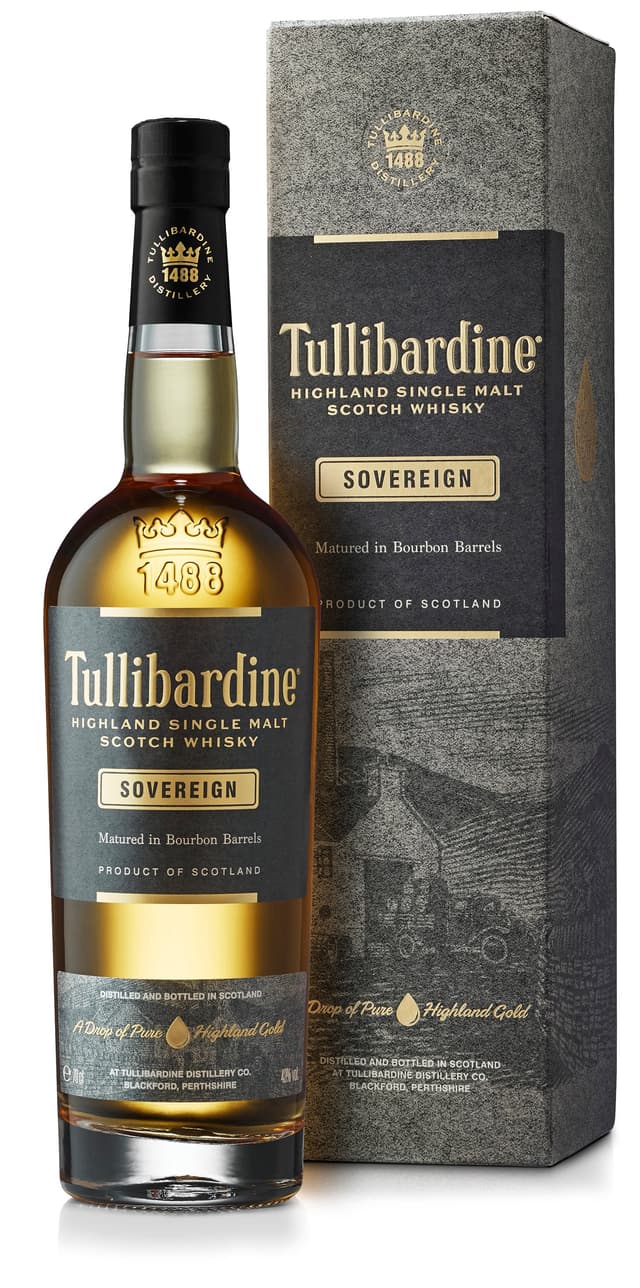
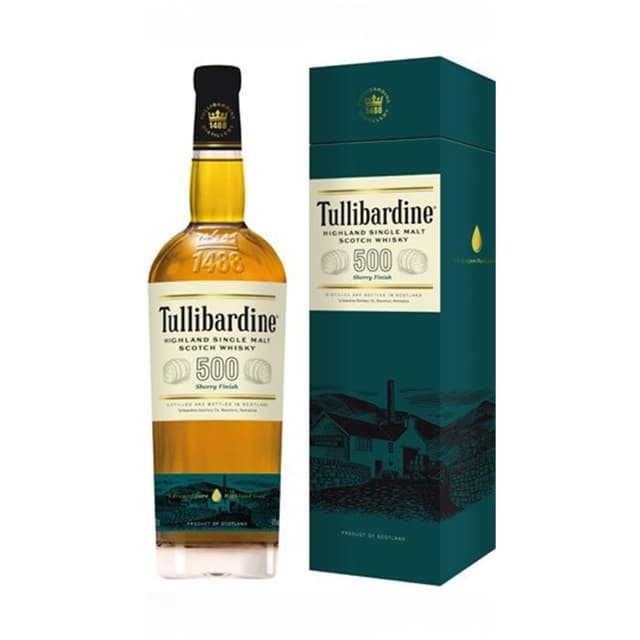
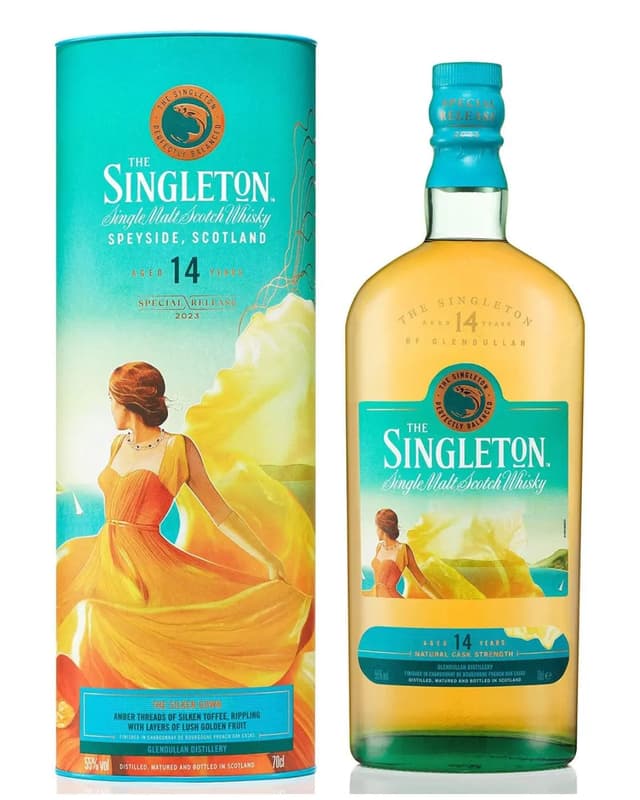
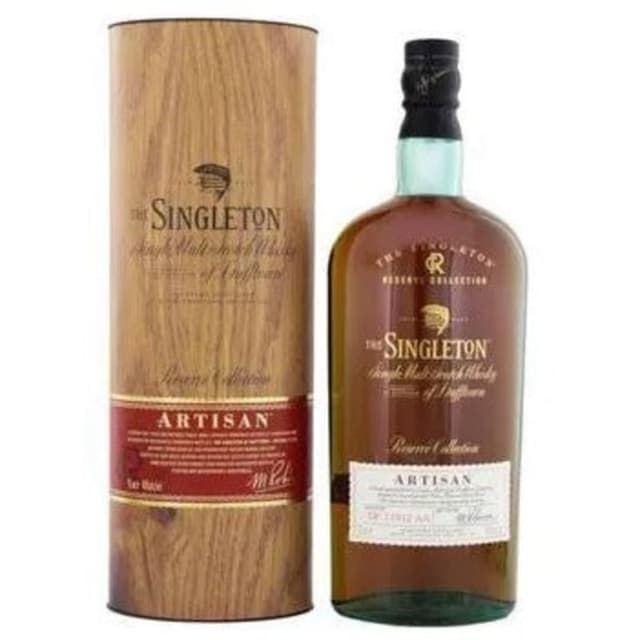
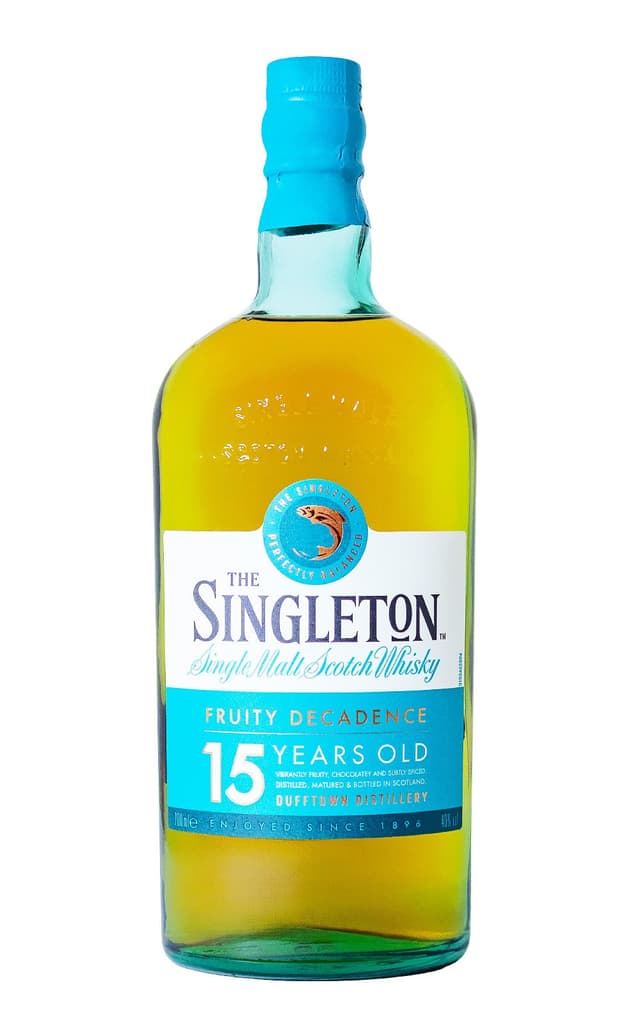
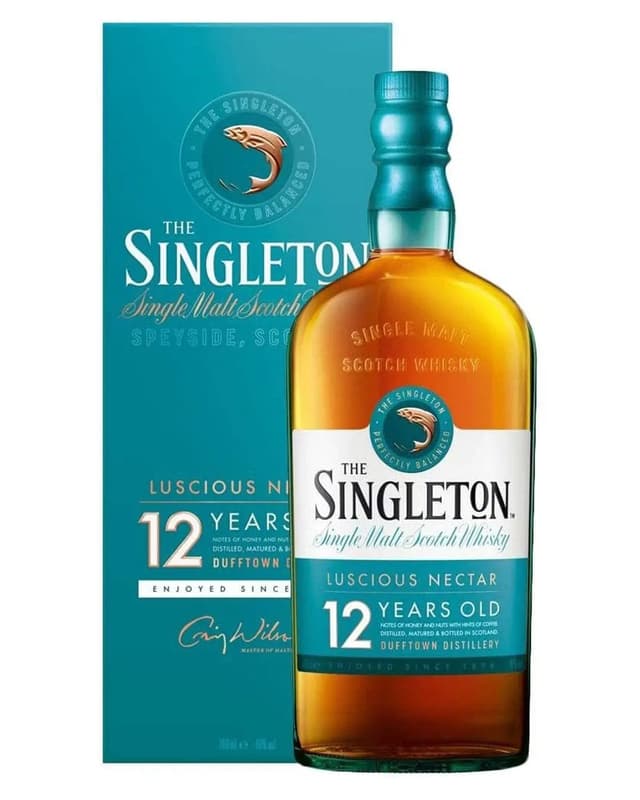
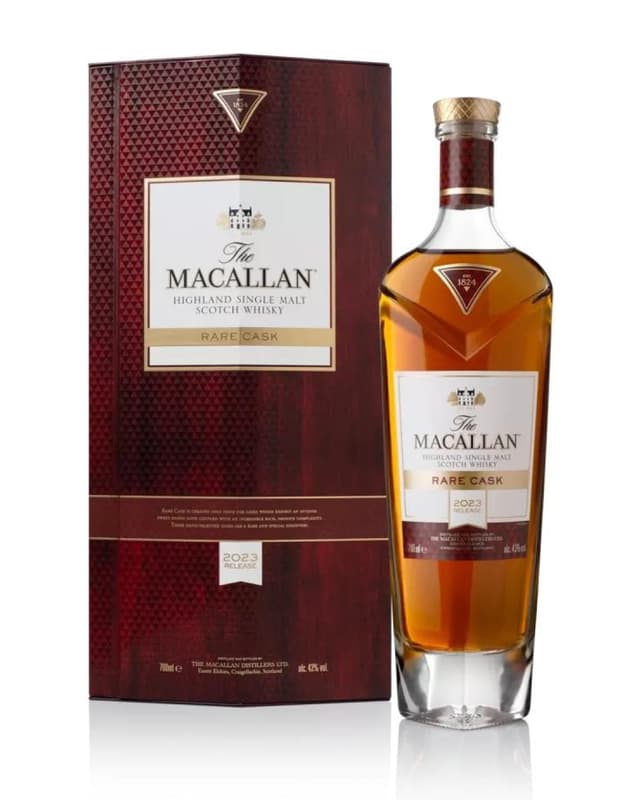
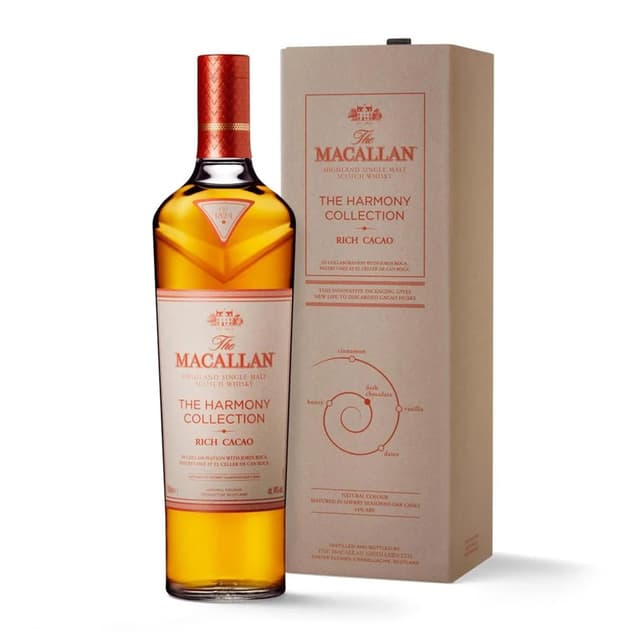
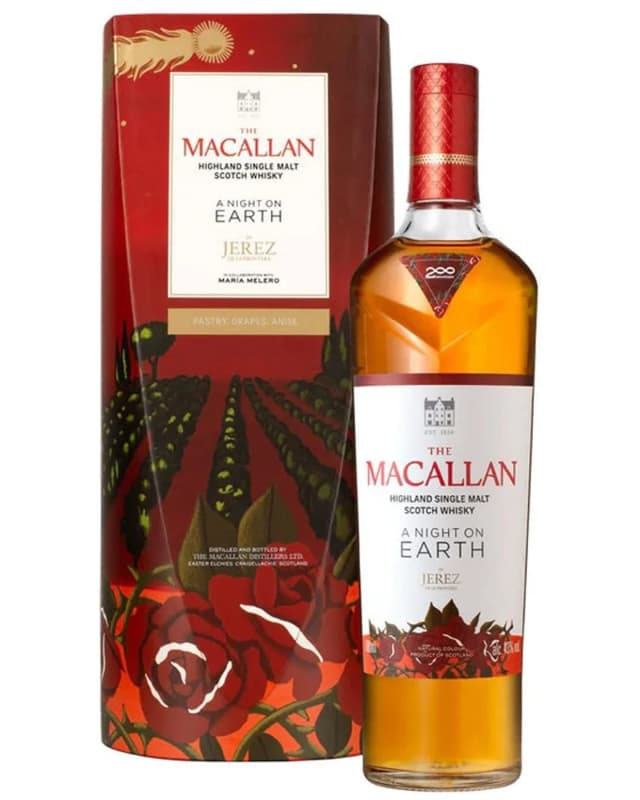
Showing 9 of 100 products
What is single malt?
Under the Scotch Whisky Regulations 2009, single malt Scotch is whisky distilled at a single distillery from water and malted barley only, with no other grains, in batch copper pot stills. Like all Scotch, it matures in oak casks of no more than 700 litres for at least three years in Scotland and is bottled at a minimum of 40% ABV. Most distilleries distil twice; some Lowland producers prefer to triple-distil.
"Single" doesn't mean a single cask; it means a single distillery. A bottle of single malt may be a vatting of whiskies of different ages from different casks at the same distillery. Bottles combining whiskies from more than one distillery fall into the blended class.
Regions and styles
Scotland has five protected whisky regions: Highland, Lowland, Speyside, Islay and Campbeltown. Islands such as Skye and Orkney officially belong to the Highland region. Region alone doesn't determine taste, but it's a good road map:
- Speyside: known for fruity, gentle styles; Glenfiddich 12 Year Old is one of the region's best-known bottles.
- Highlands and islands: a wide spectrum. From Skye, Talisker 10 Year Old has a maritime, lightly smoky character; from Orkney, Highland Park 12 Year Old Viking Honour balances sweetness with measured smoke.
- Lowlands: known for lighter-bodied whiskies; triple-distilled Auchentoshan 12 Year Old is a good example.
- Islay: famous for intense smoke, iodine and sea notes from drying barley over peat fires; Laphroaig 10 Year Old is the classic of the style.
Single malt isn't unique to Scotland. From Taiwan's Kavalan distillery, Kavalan Solist Fino Sherry is an example with a strong sherry-cask influence. For Ireland's single malts, see our Irish whiskey page.
How to choose and serve
Cask information on the label is a good clue: ex-bourbon casks bring vanilla and honey, sherry casks dried fruit and spice, and a port or rum cask finish adds an extra layer of fruit. To pick up the full aroma, use a tulip-shaped glass, taste it neat first, then see how it opens up with a few drops of water. Adding water is especially useful with high-strength, cask-strength bottles. Peated malts pair nicely with smoked fish and mature cheeses, and sherried ones with dark chocolate and dried fruit.
For an overview of all whisky styles, head back to our main whisky page, or message us on WhatsApp for a current price.
Frequently asked questions
What's the difference between single malt and blended whisky?
Single malt is made at one distillery from malted barley only, in copper pot stills. Blended whisky is a blend of whiskies from different distilleries; in blended Scotch, malt whiskies are combined with grain whiskies made in column stills. Neither is definitively better: single malt highlights a distillery's identity, while a blend showcases the blender's skill.
What does peated whisky mean?
Some distilleries use peat fires when drying the malted barley. The peat smoke soaks into the barley and gives the whisky smoky, sometimes iodine- or sea-like notes. The distilleries on Islay's south coast are synonymous with this style. Unpeated malts can be fruitier and softer.
Is single malt only made in Scotland?
No. Single malt describes a production style and is made in different countries, including Ireland, Japan and Taiwan. However, only whisky made in Scotland under Scotch rules can be called Single Malt Scotch Whisky.
What does cask strength mean?
Cask strength means the whisky wasn't diluted with water, or only very slightly, before bottling. Its alcohol content is therefore noticeably higher than standard bottles. Adding a few drops of water when tasting opens up the aromas and softens the alcohol.
Be the first to hear about offers and new arrivals — sign up to the Jastin newsletter.