Getting products ready…

Cognac is a protected brandy made in France's Cognac region, double-distilled in copper pot stills and aged in French oak; brandy is the general name for spirits distilled from wine. We send our range of cognac and brandy, from VS to XO, to your door in North Cyprus, for after dinner or as a gift.
Product list
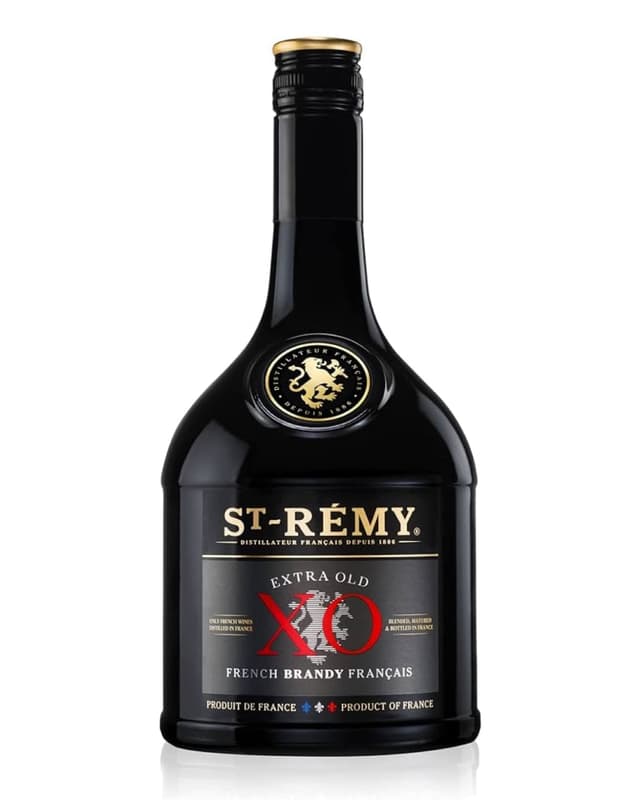
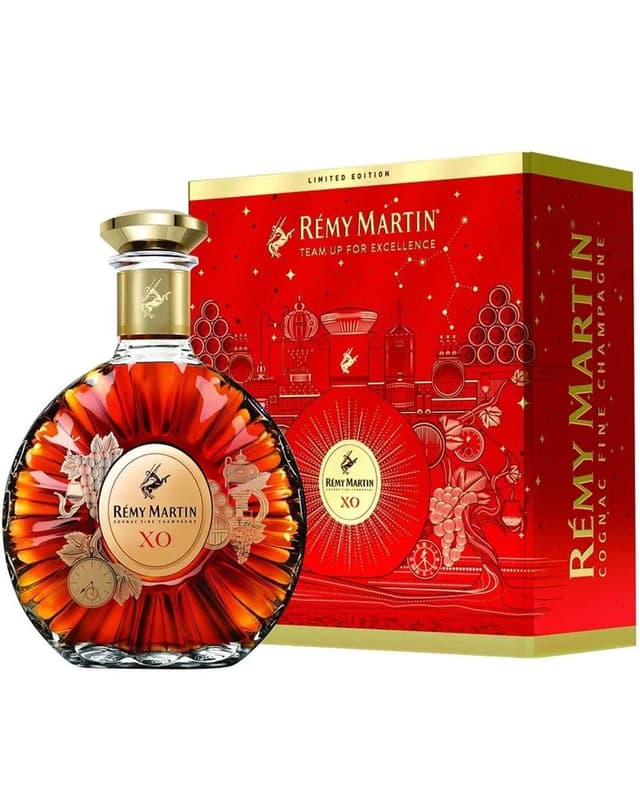
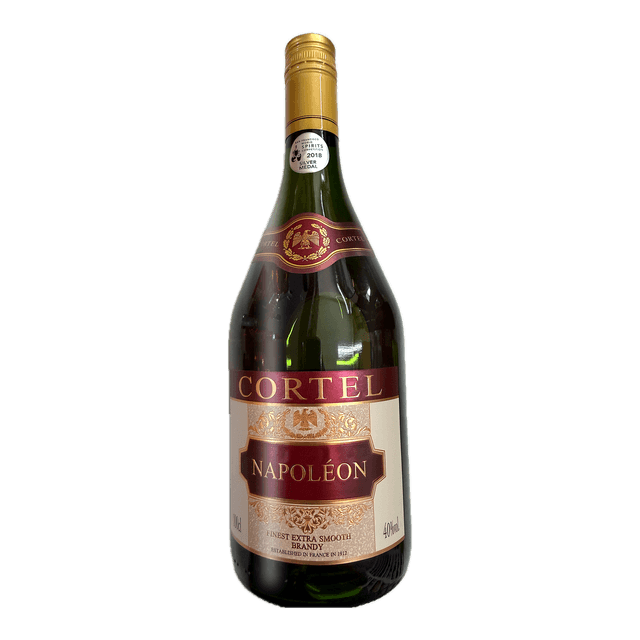
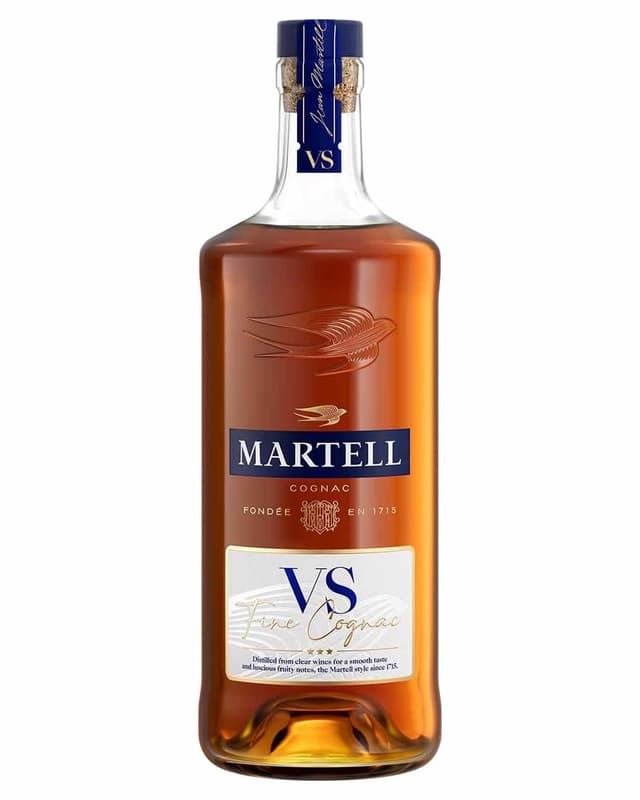
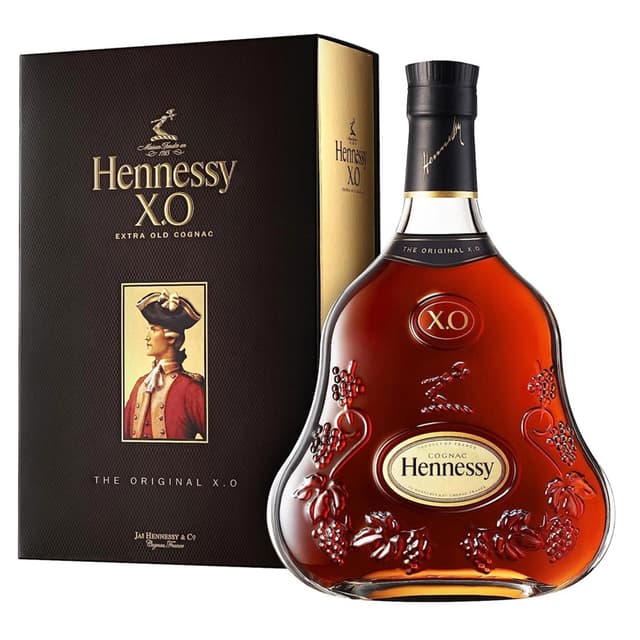
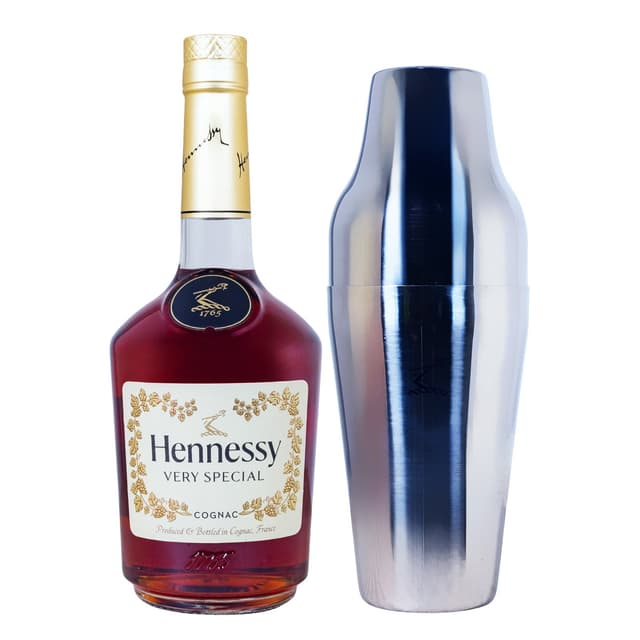
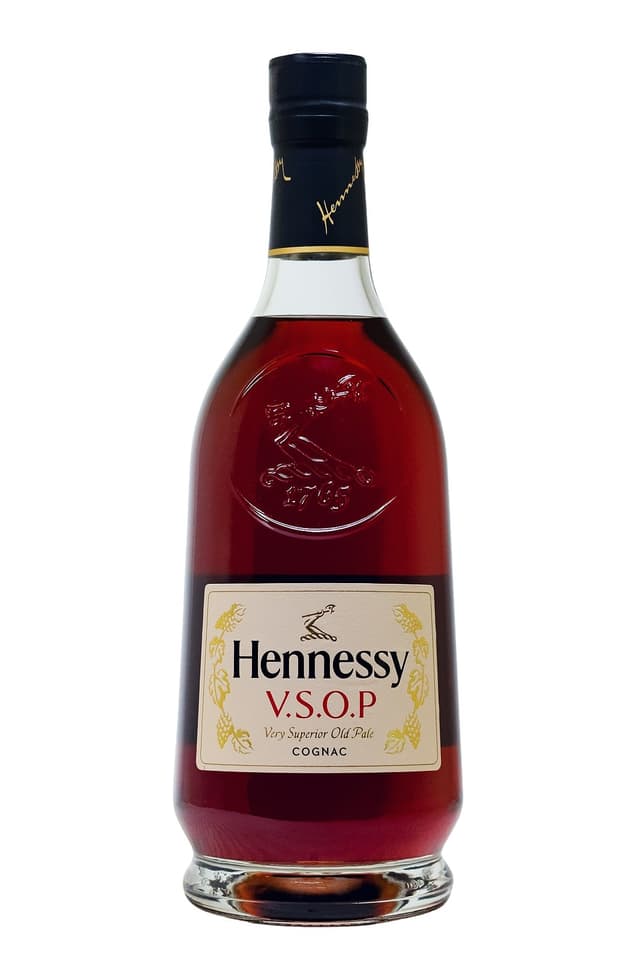
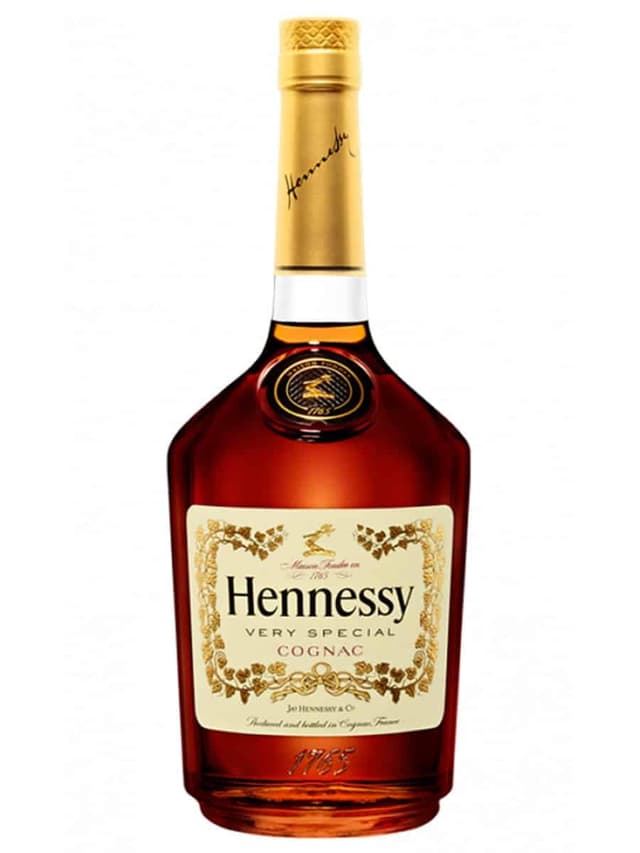
Showing 9 of 12 products
What is cognac, and how is it different from brandy?
Brandy is made by distilling wine; under European rules it's at least 36% ABV and matured in oak casks. Cognac is the best-known member of this broad family, and its name is a controlled appellation in France. To be sold as cognac, the spirit must be made in the Charente and Charente-Maritime areas, mainly from Ugni Blanc grapes, double-distilled in Charentais copper pot stills, aged in casks of Limousin or Tronçais oak and bottled at a minimum of 40% ABV. The rules are overseen by the BNIC, the cognac producers' joint body.
Regions and crus
The Cognac region is divided into six crus according to soil and climate. The best known are Grande Champagne and Petite Champagne; the word Champagne here has nothing to do with the sparkling wine region. Cognacs made from a blend of these two areas, at least half of it Grande Champagne, may be labelled Fine Champagne.
What do VS, VSOP and XO mean?
- VS (Very Special): the youngest eau-de-vie in the blend has spent at least two years in cask. Lively and fruity, and good in cocktails too.
- VSOP (Very Superior Old Pale): the youngest component is at least four years old; rounder, with more pronounced vanilla and dried fruit notes.
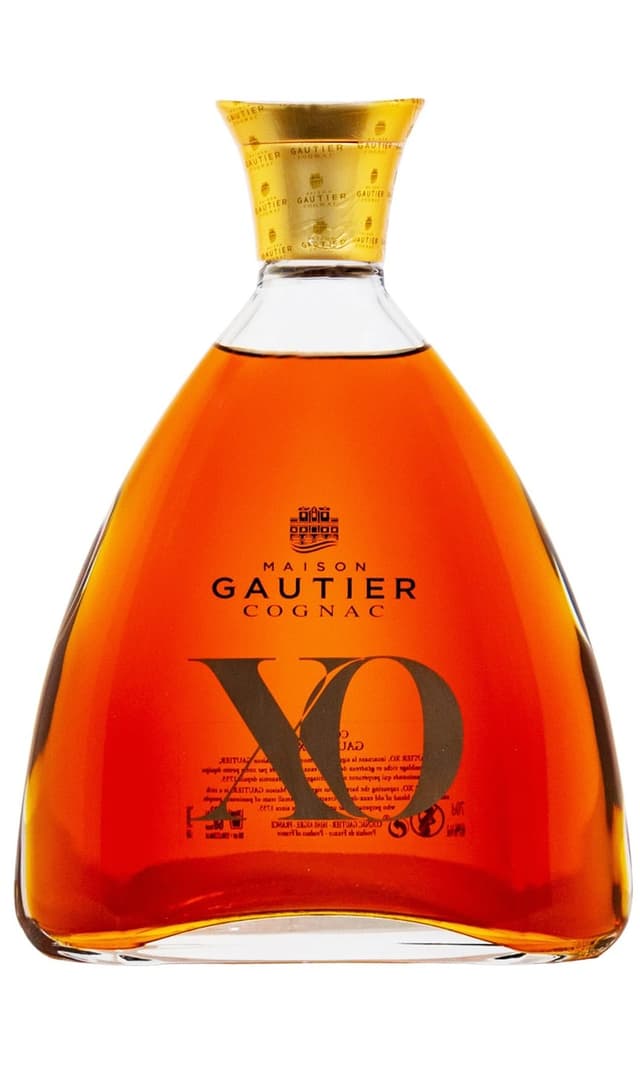
- XO (Extra Old): since 2018, the youngest component must be at least ten years old; rich, layered and with a long finish.
There are also intermediate and higher grades, such as Napoléon (at least six years) and XXO (at least fourteen years). These age statements are binding for cognac; similar labels on brandies from outside the Cognac region may not carry the same legal meaning.
How to serve it
Cognac and brandy are traditionally drunk neat at room temperature, from a tulip-shaped or wide-bowled glass; gently warming the glass in your hand opens up the aromas. Young VS cognacs are also often used in classic cocktails such as the Sidecar, with triple sec and lemon. Dark chocolate, nuts and mature cheeses are good companions.
Highlights from our shelves
- A lively VS that also works in cocktails: Hennessy VS.
- A balanced VSOP: Courvoisier VSOP.
- For special moments and gifts: Rémy Martin XO.
- A French brandy that isn't cognac: St-Rémy XO.
If you're after an orange liqueur for cocktails, see our liqueur shelf, or our raki range for the table; the whole category is on the Raki, Brandy & Liqueurs page.
Frequently asked questions
What's the difference between VS, VSOP and XO?
These terms show the minimum time the youngest cognac in the blend has spent in oak. VS requires at least two years, VSOP at least four and XO, since 2018, at least ten. The longer the time, the rounder, richer and more layered the cognac usually becomes.
How do you drink cognac?
The most common way is neat at room temperature, from a tulip-shaped or wide-bowled glass. Some like to add a few drops of water or an ice cube to open up the aromas. Young VS cognacs are also used in classic cocktails such as the Sidecar and in long drinks.
Where is cognac made?
Cognac can only be made in the Cognac region of western France, mainly in the Charente and Charente-Maritime départements. The region is divided into six crus, the best known being Grande Champagne and Petite Champagne. Grape brandies made anywhere else can't use the name cognac.
Does opened cognac go off?
Cognac doesn't keep ageing in the bottle and, thanks to its high strength, doesn't spoil easily. Once opened, keep it with the cap tightly closed, upright, somewhere cool and out of the sun. When there's only a little left, more contact with air can make the aromas fade over time.
Be the first to hear about offers and new arrivals — sign up to the Jastin newsletter.