Getting products ready…

Wine is made by fermenting the juice of crushed grapes; its colour, body and sweetness depend on the grape variety and production method. The Jastin Off Licence wine range brings together red, white, rosé and sparkling wines from countries such as Turkey, Italy, France, Portugal, Georgia and Moldova, and we deliver your order to your address in North Cyprus.
Product list
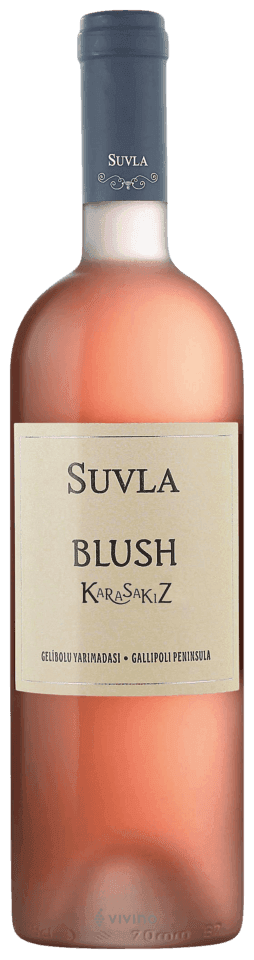
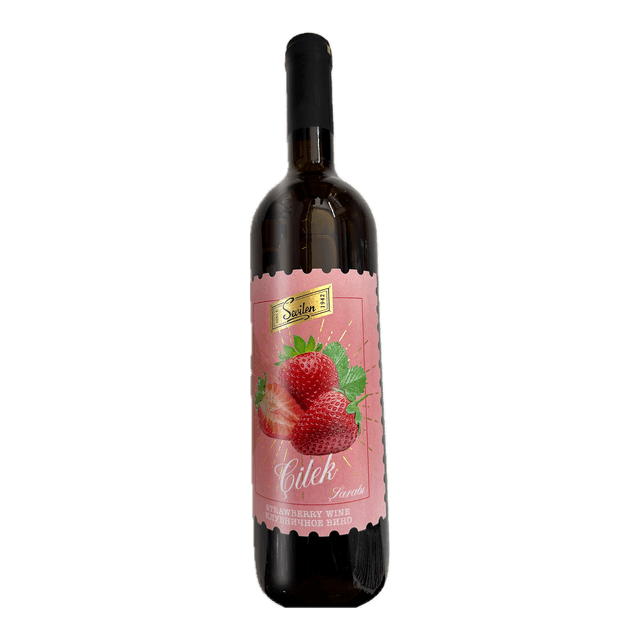
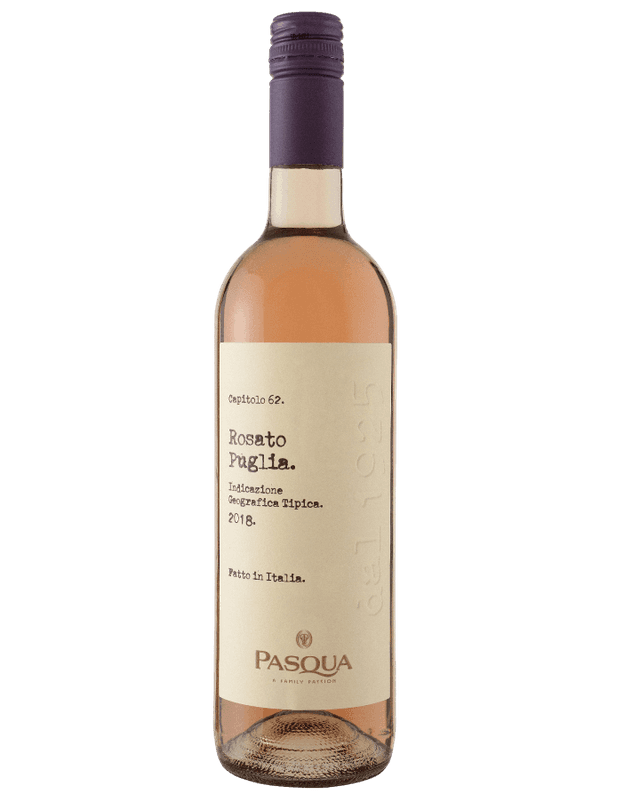
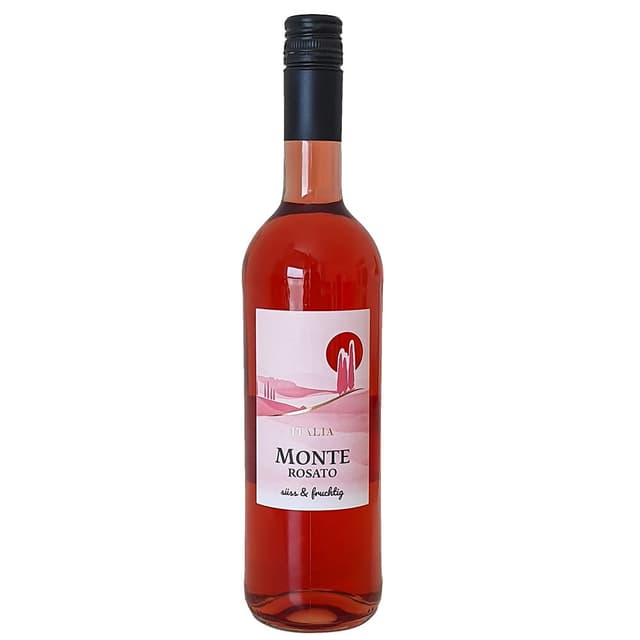
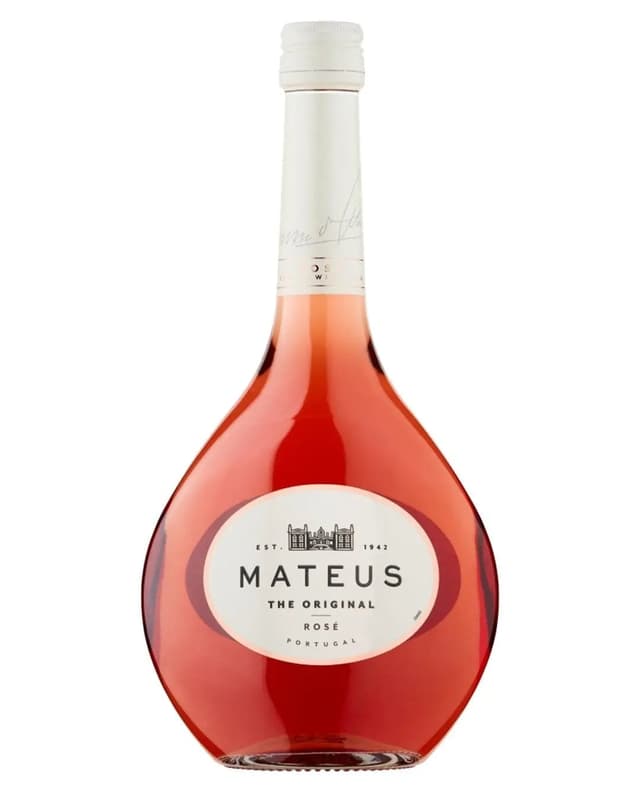
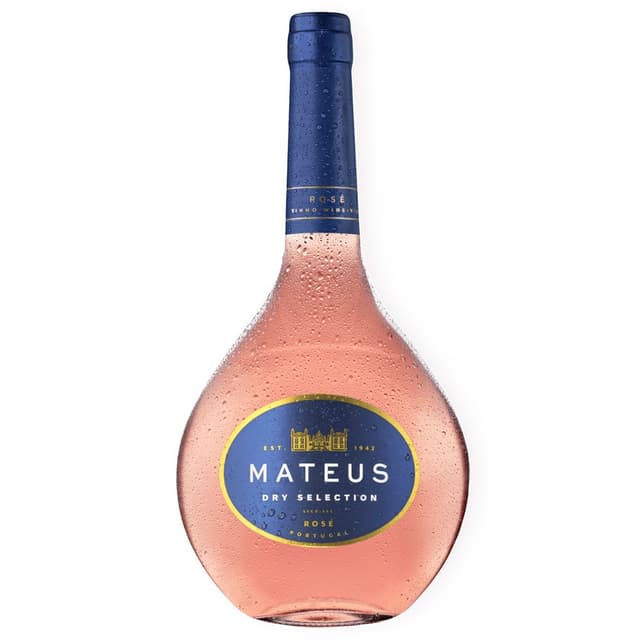
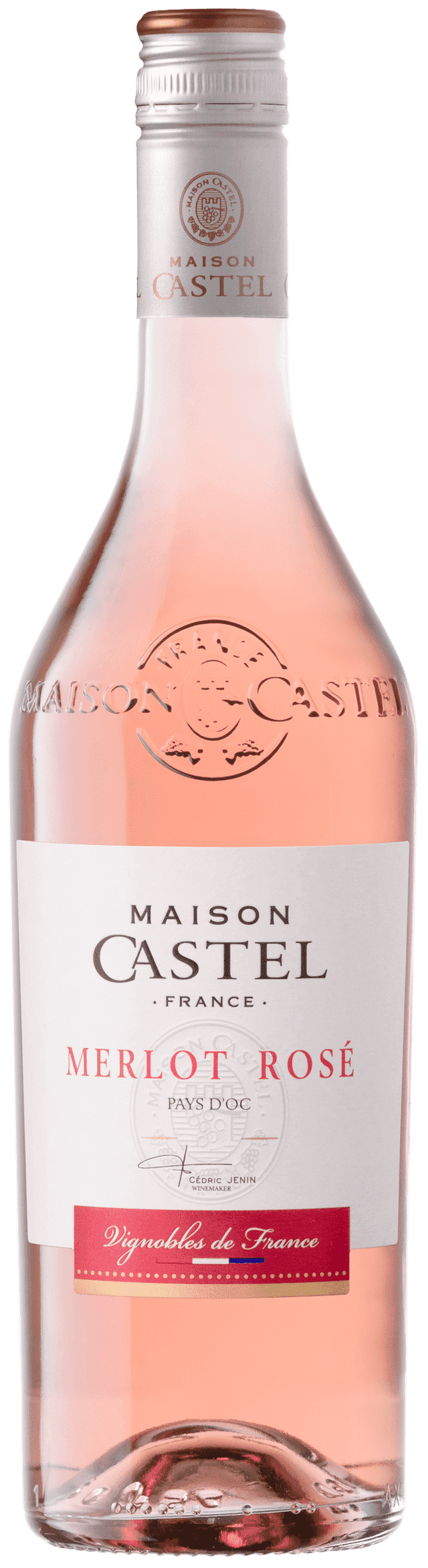
Showing 9 of 158 products
What is wine, and where does its colour come from?
Wine is made when yeasts turn the sugar in grape juice into alcohol. Even with most black grapes, the juice itself is almost colourless; red wine's colour and tannins come from contact between the juice and the skins during fermentation. For white wine, the juice is separated from the skins early. For rosé, the black grape skins stay in contact with the juice only briefly, so the colour stays pale pink. The bubbles in sparkling wine usually come from a second fermentation in the bottle or in a pressurised tank.
By the same logic, grapes aren't the only thing that shapes a wine: climate, the site of the vineyard, fermentation temperature, whether it spent time in oak and how long it rested before bottling all shape its character.
Our wine categories
Red wine
Our red wine shelf has world-famous grapes such as Cabernet Sauvignon, Merlot, Syrah and Pinot Noir alongside Anatolia's Öküzgözü and Boğazkere, Amarone della Valpolicella from Italy, made with dried grapes, port from Portugal and Commandaria, Cyprus's historic sweet wine.
White wine
Our white wine range brings together international varieties such as Chardonnay, Sauvignon Blanc, Pinot Grigio and Riesling with local grapes such as Misket and Kınalı Yapıncak. Alongside dry bottles with lively acidity, there are medium-sweet options too.
Rosé wine
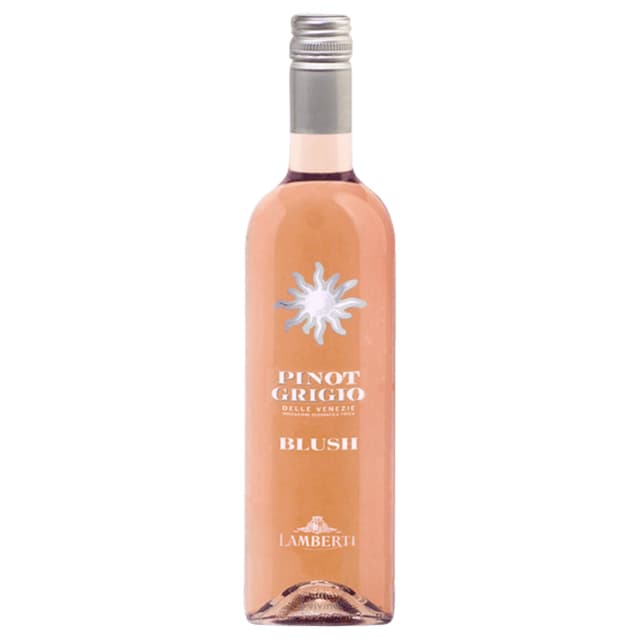
Our rosé wines range from the pale, dry Provence style to Loire's Rosé d'Anjou and easy-drinking blush wines. They're a practical choice in summer, with light food or on their own.
Sparkling wine and champagne
In the sparkling wine and champagne section you'll find examples of different production methods: Moët & Chandon Brut Impérial and Dom Pérignon from the Champagne region, Prosecco, Asti and Lambrusco from Italy and Henkell Trocken from Germany.
Fruit wines and sangria
Kutman and Sevilen fruit wines, made from fruit such as pomegranate, black mulberry, sour cherry, blackberry and strawberry, sit on the red and rosé shelves according to their colour. Spanish-style sangrias are in the red wine section too.
How to choose a wine
- Sweetness: dry, semi-dry and semi-sweet on the label describe the level of sugar left in the wine. If you like sweeter wine, medium-sweet wines and sweet wines such as port are a good start.
- Body: light reds such as Pinot Noir or Bardolino have fewer tannins; Cabernet Sauvignon and Amarone are richer and fuller.
- Food pairing: the general principle is to balance the intensity of the dish with the body of the wine. Grilled red meat goes well with full-bodied reds, seafood and olive oil dishes with dry whites or rosés, and fruit desserts with sweet wines.
- Occasion: sparkling wine for a celebration, a medium-bodied red or white for dinner, and a wine from a well-known region as a gift.
Serving temperature
The right temperature brings out a wine's aromas. According to common wine-tasting guides, sparkling wines are served at 6–10 °C, light whites at 7–10 °C, full-bodied oaked whites at 10–13 °C, light rosés at 10–12 °C, light reds at around 13 °C and medium to full-bodied reds at 15–18 °C. As "room temperature" in a Cyprus summer can be well above these figures, it helps to leave red wine somewhere cool for a short while before serving.
Highlights from our shelves
- Öküzgözü Boğazkere (SVEL): a blend bringing together two local red grapes of Anatolia.
- Cloudy Bay Chardonnay: a well-known Chardonnay from New Zealand.
- Baron M Provence Rosé: a pale Provence-style rosé.
Looking for a particular bottle or want a current price? Message us on WhatsApp.
Frequently asked questions
What's the difference between dry, semi-dry and semi-sweet wine?
These terms describe how much sugar is left in the wine after fermentation. In dry wine almost all the sugar has turned into alcohol, so it may taste fruity but not sweet. Semi-dry wines have a slight sweetness, and semi-sweet wines a noticeable one. Sweet wines such as port sit at the far end of the scale.
How should wine be stored at home?
Store wine somewhere cool and dark with a steady temperature; most experts recommend 10–15 °C. Bottles with natural corks are kept lying down so the cork doesn't dry out. Frequent temperature swings during the day are among the most damaging factors, so spots next to the cooker or sunny shelves aren't suitable.
What's the difference between fruit wine and grape wine?
Fruit wine is made by fermenting fruit other than grapes (such as pomegranate, black mulberry, sour cherry or strawberry) and is named after its main fruit. As these fruits have a different balance of sugar and acid from grapes, sugar is usually added during production; most fruit wines end up with pronounced fruit flavour and a sweetish taste.
How do I choose a wine to go with food?
The safest approach is to match the intensity of the dish with the body of the wine. Rich dishes such as red meat and stews go with full-bodied reds; fish, seafood and salads with dry whites or rosés; and fruit desserts with sweet wines. When in doubt, a light red or a dry rosé is a balanced choice for most tables.
Be the first to hear about offers and new arrivals — sign up to the Jastin newsletter.