Getting products ready…

Gin is a spirit made by flavouring neutral alcohol of agricultural origin with juniper berries and other botanicals, with juniper leading the taste. You can order from our gin range, from London Dry classics to Scottish, German, Italian and Japanese takes, with delivery across North Cyprus.
Product list
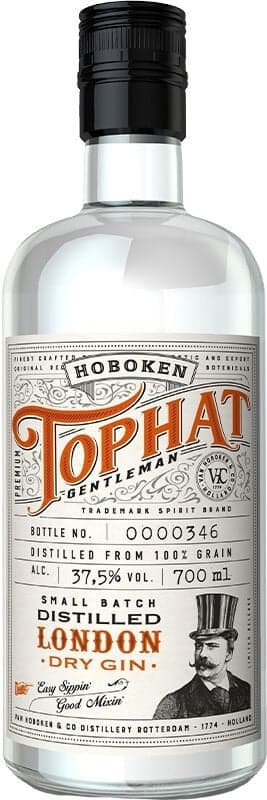
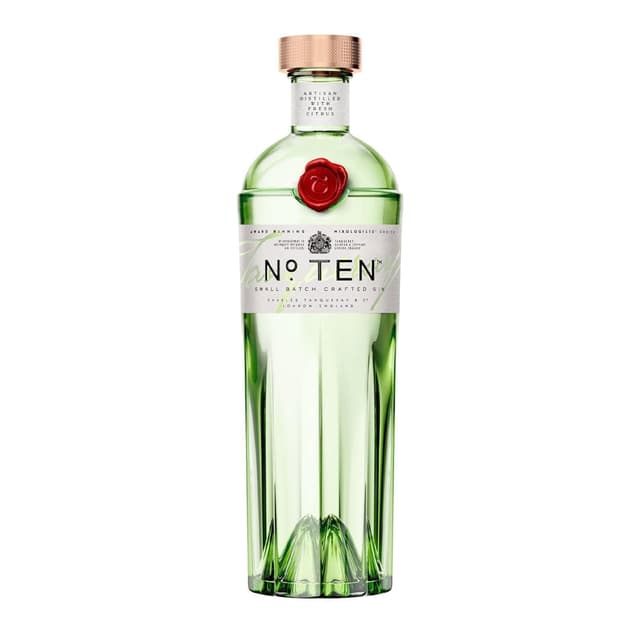
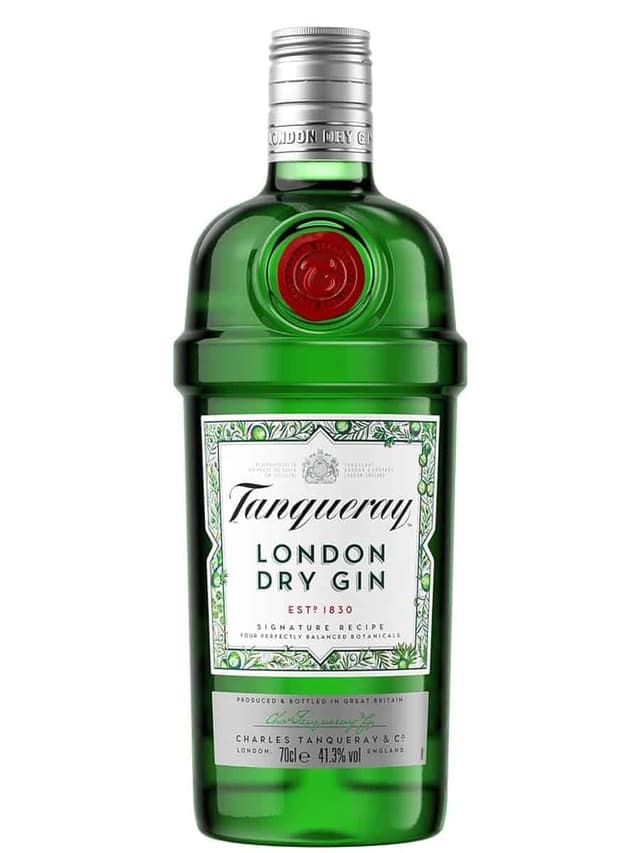
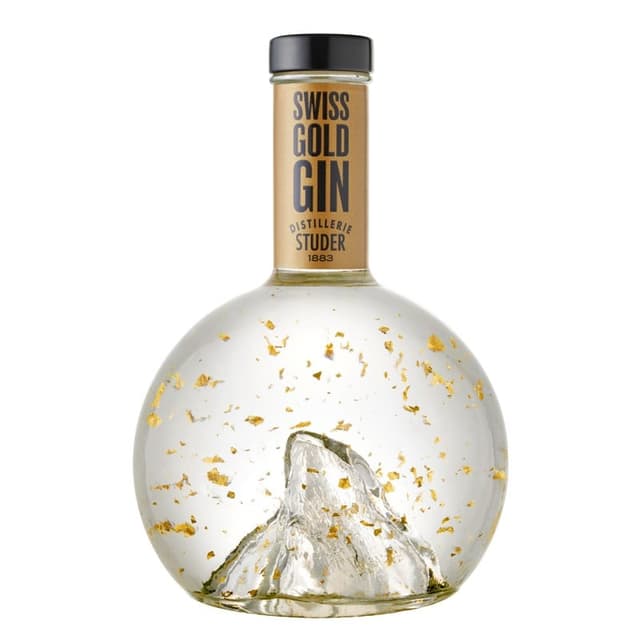
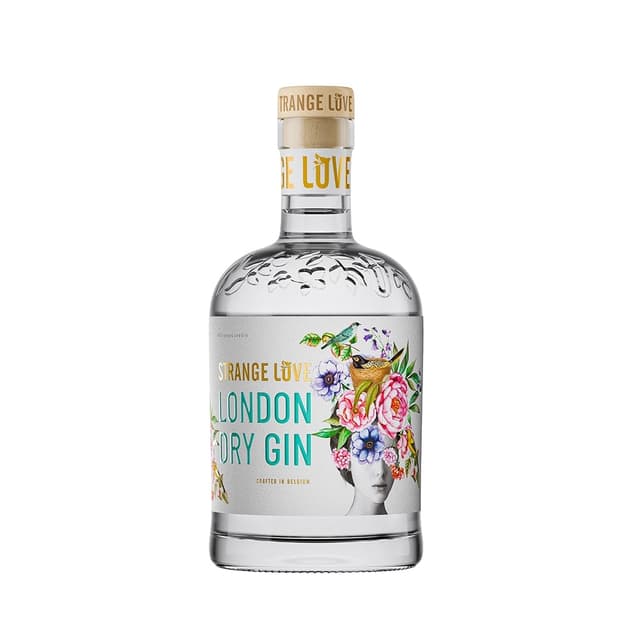
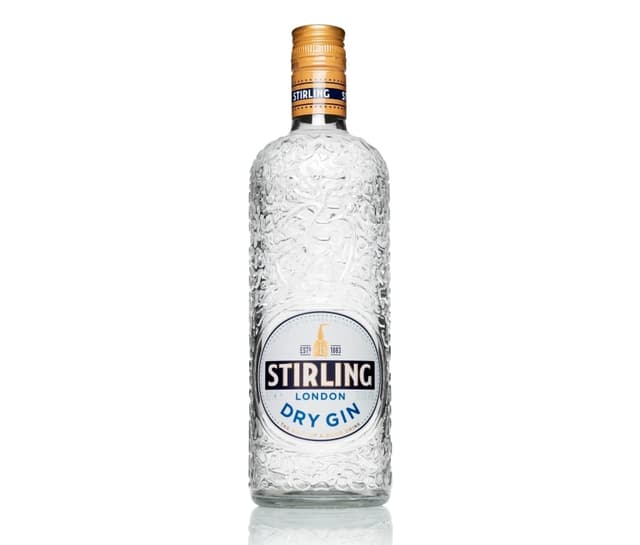
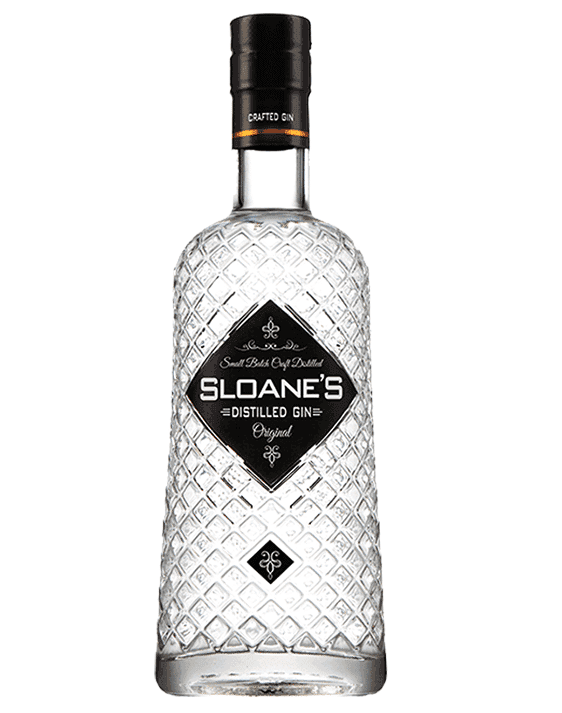
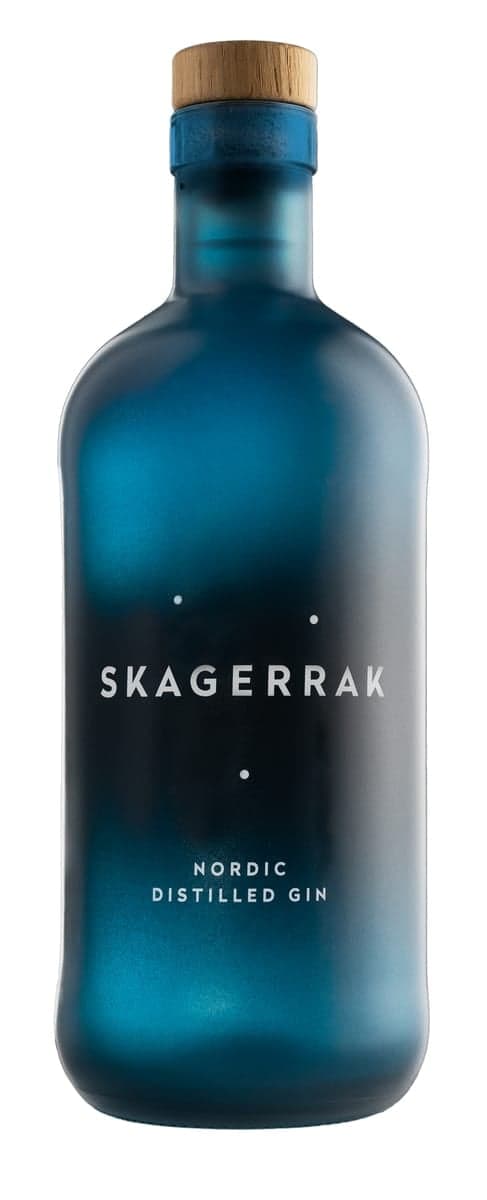
Showing 9 of 45 products
What is gin and how is it made?
Gin's signature is juniper (Juniperus communis). Under the European Union's regulation 2019/787, gin is made by flavouring ethyl alcohol of agricultural origin with juniper, juniper must be the predominant taste and it's bottled at a minimum of 37.5% ABV. Alongside juniper come botanicals such as coriander seed, angelica root, orris root, lemon and orange peel, cardamom or cassia; each brand's recipe is shaped by the proportions of these botanicals. The drink's ancestor is juniper-flavoured genever, recorded in the 16th century in what is now the Netherlands and Belgium.
Gin, distilled gin and London Dry: what the labels mean
- Gin: flavourings may be added directly to the spirit; there's no requirement to redistil.
- Distilled gin: alcohol of at least 96% ABV is redistilled in traditional stills with juniper and other natural botanicals. Extra flavouring may be added after distillation.
- London gin (London Dry): a definition of a production method, with no requirement to be made in London. All the flavour must come from distillation with botanicals, the distillate must be at least 70% ABV, no colouring or flavouring may be added afterwards and sweetening may not exceed 0.1 grams per litre.
The word dry on the label also relates to this low sugar limit. So a gin distilled in Scotland, Germany or Spain can carry the London Dry name as long as it follows the rules.
The range of styles
Plymouth Gin, made at the Black Friars distillery in Plymouth, England, since 1793, offers a softer juniper and more earthy profile than London Dry. Modern gins put local botanicals first: Hendrick's, made in Scotland, is known for cucumber and rose essence; Monkey 47, from Germany's Black Forest, for its forty-seven botanicals and 47% ABV; Suntory's Roku for sakura flower and leaf, yuzu peel, sencha and gyokuro teas and sansho pepper.
How to serve it
For a gin and tonic, fill the glass with large ice, add one measure of gin to two or three measures of cold tonic and choose a garnish to suit the gin: lemon peel for a classic London Dry, or a thin slice of cucumber for Hendrick's, are good matches. Gin is also the base of classic cocktails such as the Dry Martini, Negroni, Gimlet and Tom Collins. For fruity options, see our flavoured gin shelf, or the gin and vodka category for the whole range.
Highlights from our shelves
- Beefeater London Dry Gin: a classic distilled in London, with clear juniper and citrus.
- Plymouth Gin: a historic style made for centuries in the city that gives it its name.
- Hendrick's Gin: a Scottish take with cucumber and rose notes.
- Monkey 47 Schwarzwald Dry Gin: an intensely botanical gin from the Black Forest.
- Roku Gin: an elegant, floral option with Japanese botanicals.
- Malfy Originale: a citrus-led gin distilled near Turin, Italy.
Frequently asked questions
Does London Dry gin have to be made in London?
No. In the EU definition, London gin describes a production method, not a place. All the flavour must come from distillation with natural botanicals, the distillate must be at least 70% ABV, no colour or flavour may be added afterwards and sugar may not exceed 0.1 grams per litre. A gin meeting these conditions can be made anywhere in the world.
What's the right ratio for a gin and tonic?
The usual advice is one measure of gin to two or three measures of tonic. Filling the glass with large ice first makes the drink dilute more slowly. The tonic should be cold and freshly opened. Choose the garnish to suit the gin: lemon peel for classic gins, a slice of cucumber for floral or cucumber gins.
Which botanicals are used in gin?
The only compulsory botanical is juniper, and it must lead the taste. Beyond that, the most common are coriander seed, angelica root, orris root, lemon and orange peel, cardamom, cassia, liquorice root and nutmeg. Modern gins create their own signature with local or unusual botanicals such as cucumber, rose, tea or yuzu.
What's the difference between gin and genever?
Genever is the juniper spirit considered gin's ancestor, developed in the Netherlands and Belgium. It usually contains a grain distillate called malt wine, so it tastes maltier and fuller. Gin is built on a neutral spirit base, so it's lighter and its botanical notes are more pronounced.
Be the first to hear about offers and new arrivals — sign up to the Jastin newsletter.