Getting products ready…

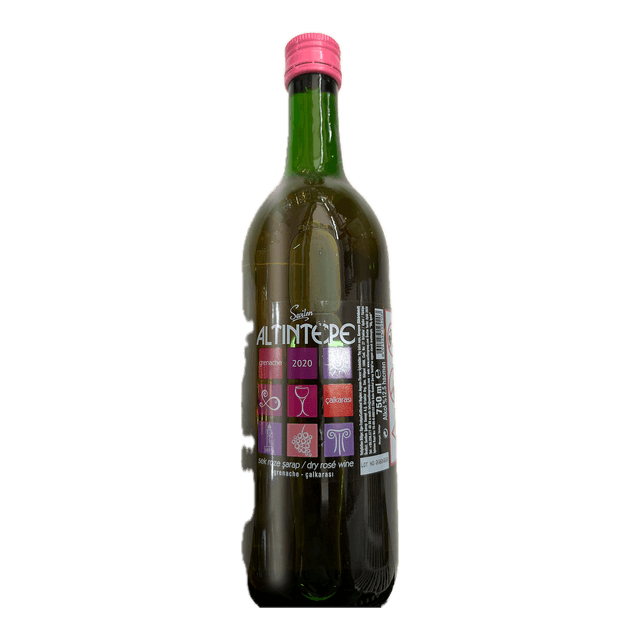
Rosé is a pink wine made by letting black grapes stay in contact with their skins only briefly; styles range from dry and light to medium-sweet and fruity. The Jastin Off Licence rosé range has bottles from Provence to Portugal and from Turkey to Moldova; we deliver to your address in North Cyprus.
Product list
Showing 9 of 23 products
How is rosé made?
As with red wine, rosé gets its colour from the skins of black grapes; the difference is how long the contact lasts. In the most common method, crushed black grapes are left with their skins for just a few hours to a day, then the juice is drawn off and fermented without the skins. In a second method called saignée, some pink juice is bled off the tank at the start of red winemaking and fermented separately.
European Union rules restrict making still rosé by blending white and red wine; cuvées for sparkling wine are the exception. That's why many rosé champagnes can be made by adding some red wine to white.
Main rosé styles
Dry and pale: Provence
In Provence in southern France, rosé makes up more than half of total production, and the region is known for pale, dry, refreshing rosés. Baron M Provence Rosé is our example of this style.
Light and fruity: Rosé d'Anjou
Rosé d'Anjou from the Loire Valley is usually lighter and often off-dry; Château Mauny Rosé d'Anjou represents this style.
The Portuguese classic: Mateus
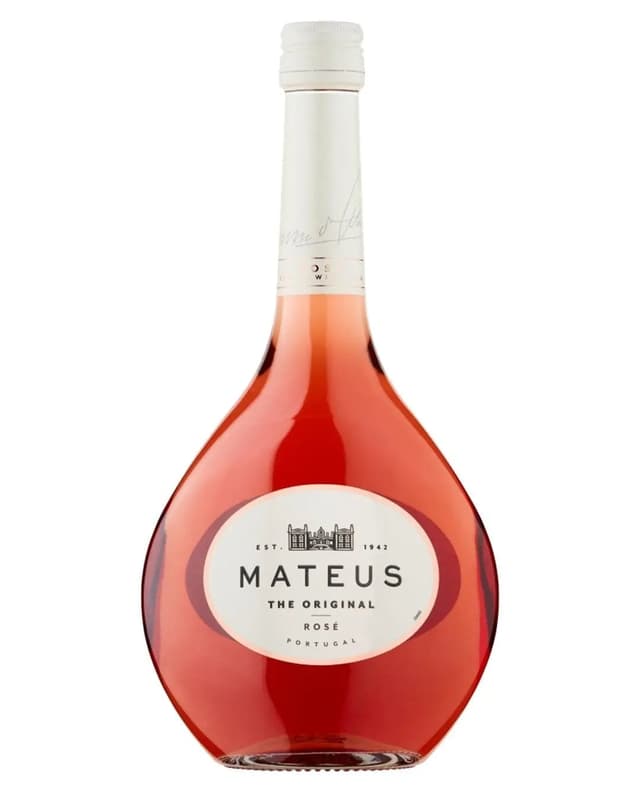
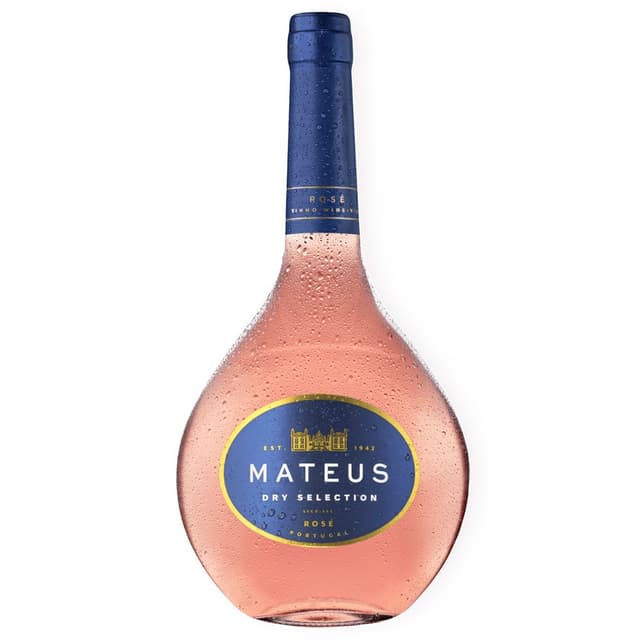
Mateus Rosé, a huge success on the world market after the Second World War, is one of the best-known rosé brands. Mateus Rosé Original and the drier Mateus Rosé Dry sit side by side on the shelf.
Blush wines
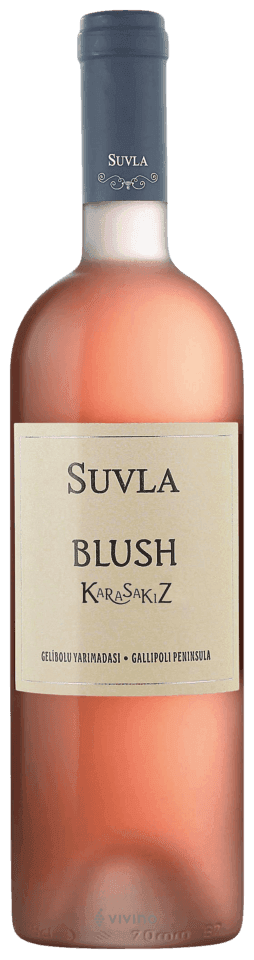
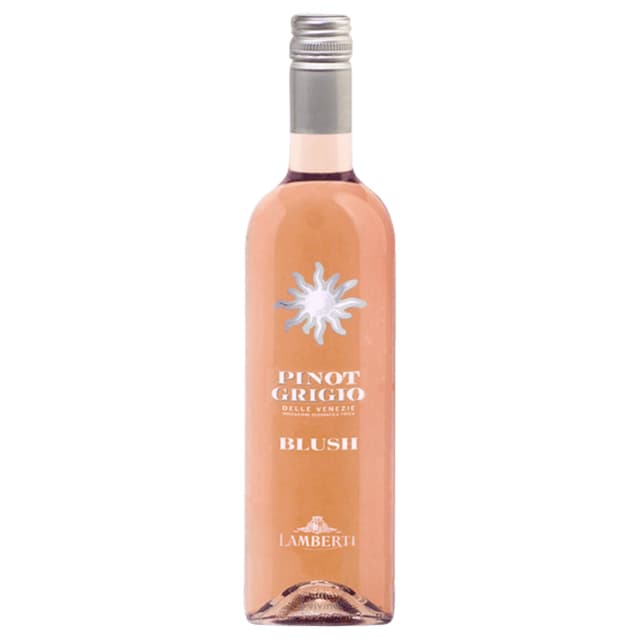
The term "blush" became popular in California for pale pink, usually soft wines. Blush wines made from Pinot Grigio, whose skins are pinkish-grey, as well as Kavaklıdere Ancyra Blush and Suvla Blush Karasakız Rosé, made by Suvla from the local Karasakız grape, are in this group.
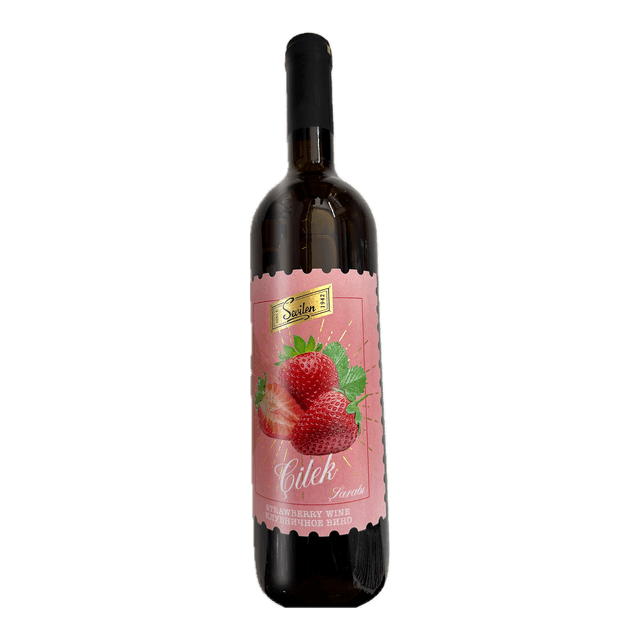
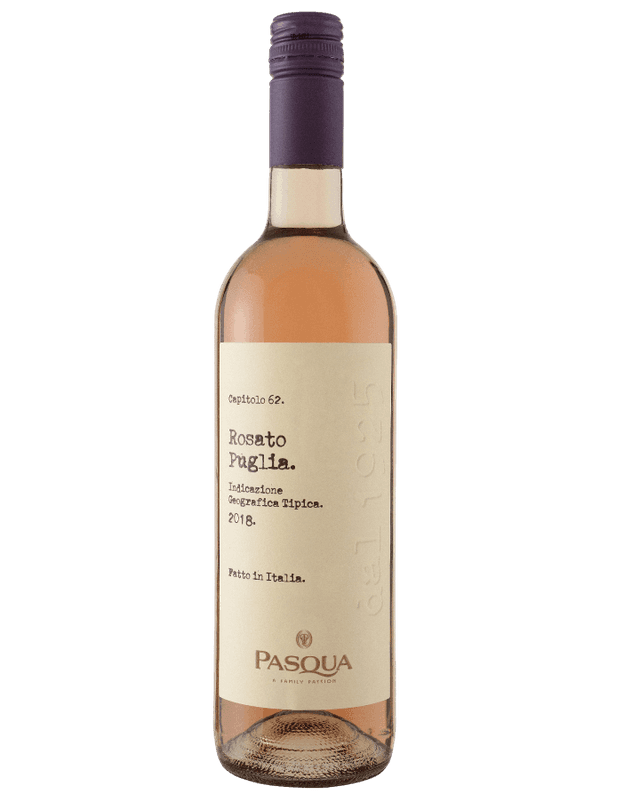
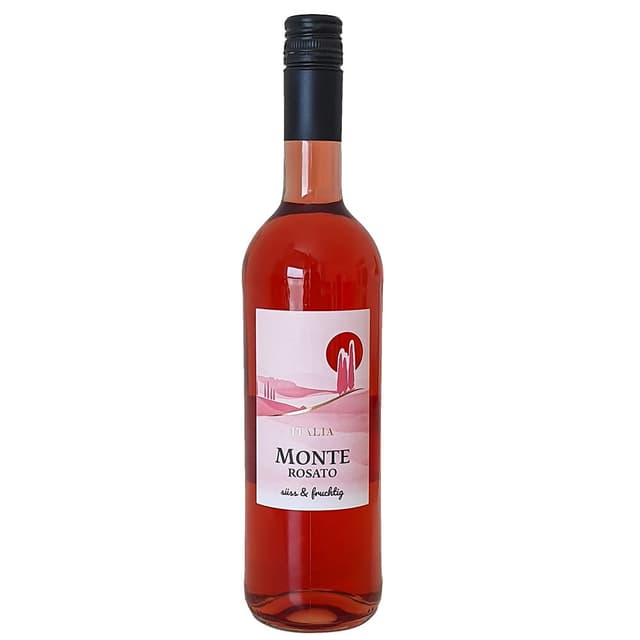
The shelf also has Kavaklıdere Lâl Rosé from Turkey, rosato examples from Italy and fruit wines made from strawberries.
Serving and food pairing
- Temperature: light rosés are at their most refreshing at 10–12 °C; off-dry rosés can be served a degree or two cooler.
- Food: dry rosés go well with meze, grilled fish, salads and light Mediterranean dishes; fruity rosés with mildly spiced dishes and fruit desserts.
- When to drink: most rosés are made to be drunk young and fresh.
For a richer wine, browse our red wines; for a celebration, our sparkling wines; or see our whole wine range.
Frequently asked questions
Is rosé made by mixing red and white wine?
Usually not. Most rosé is made by letting black grapes stay in contact with their skins for a short time. EU rules restrict blending white and red wine for still rosé; sparkling wine cuvées are the exception, and most rosé champagnes are made that way.
Are blush wine and rosé the same thing?
Blush is a term that became popular in California for pale pink wines, usually describing soft, often slightly sweet rosés. Technically blush wines belong to the rosé family; the difference is mainly style and labelling tradition. If you're after a dry one, look for the word dry on the label.
At what temperature should rosé be served?
Light-bodied rosés served at 10–12 °C show their fruit and freshness in balance. Off-dry rosés can be a degree or two cooler. Taking a fridge-chilled bottle out shortly before serving is usually enough.
Why is Provence rosé so well known?
In Provence in southern France, rosé makes up more than half of production; the region is practically synonymous with the style. Provence rosés are usually pale, dry and refreshing, so they're often paired with Mediterranean food and summer tables.
Be the first to hear about offers and new arrivals — sign up to the Jastin newsletter.